


Journeys
The way to Wakhan
Photos: Theo Blindow & Alexander Niklass
Words: Tom Owen
Before us rose the Great Pamir, the roof of the world.
Behind the high peaks lay wide, lush-green plateaus, used for centuries as summer pastures by nomads.
But the way there was long and hard.
The steep climbs and unrideable trails forced us off our bikes. Riding gave way to the exhausting labor of pushing.
We soon reached our limits.
Food poisoning, raging mountain rivers, and the thin air made every step a challenge.
The Wakhan corridor is the remotest part of Afghanistan, which today rivals North Korea for the title of the world’s least-visited country. To go there takes intention. Effort. A concerted decision, not without its qualms.
The Wakhan corridor is so-called because it is a thin strip of land controlled by Afghanistan, which ends in a border with China. To the north Tajikistan, to the south, Pakistan. The Taliban government would like to develop the area as a means to interact with China on the geopolitical stage.
Theo Blindow and Olf (just Olf, like Ronaldinho) went to Wakhan in 2025, joining an expedition conceived and led by their friends Alexander Niklass and Ruben Meersman. While Alex and Ruben had prior experience with the Wakhan corridor, for Theo and Olf this was entirely new territory.
Together, they rode from Takjikistan, over the land border into Afghanistan, then made a loop inside the corridor itself. It was a five-week odyssey, with about 12 days spent in the Wakhan.
Perhaps unsurprisingly, their trip can be divided into the moments before and after the Tajik-Afghan border crossing.
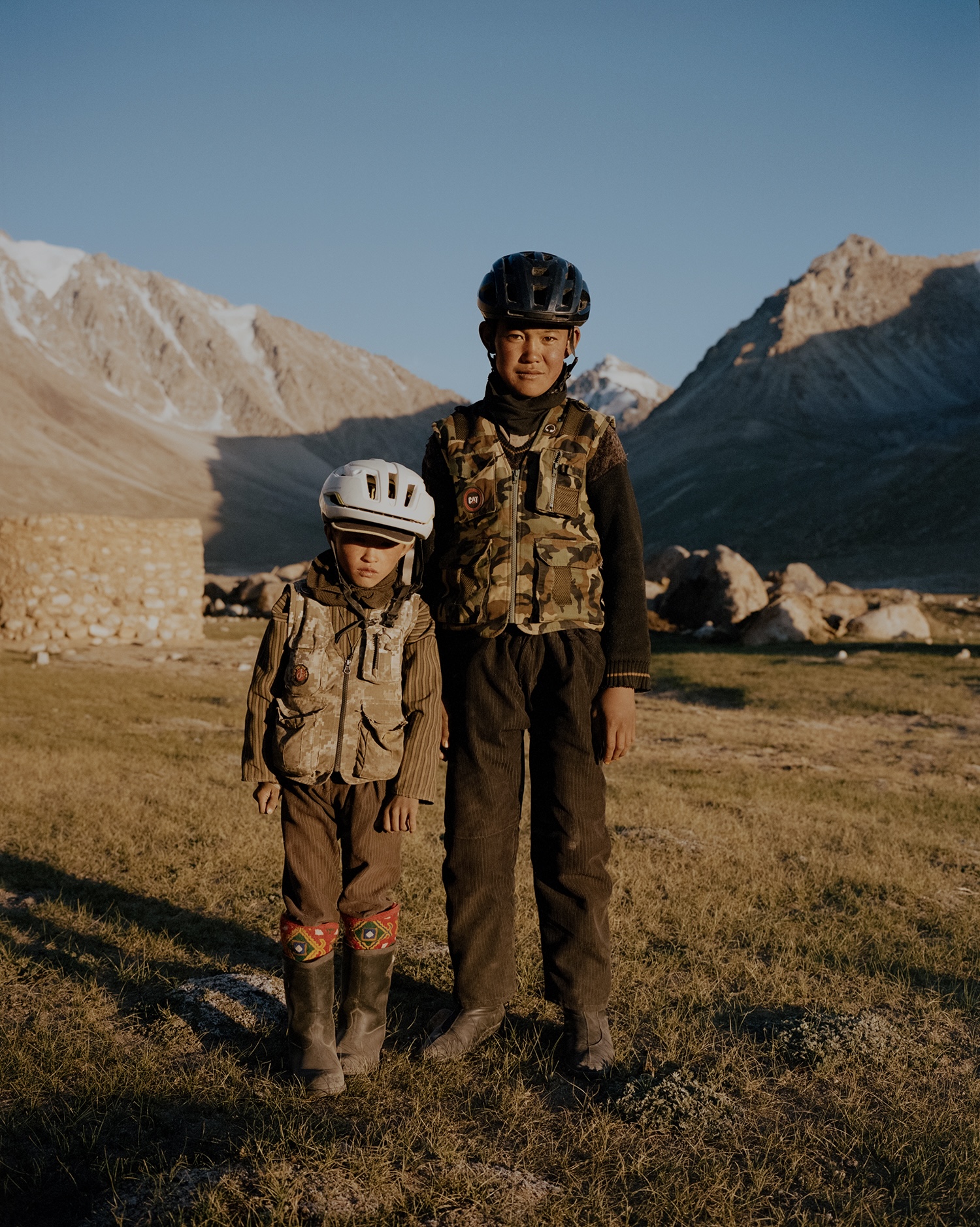
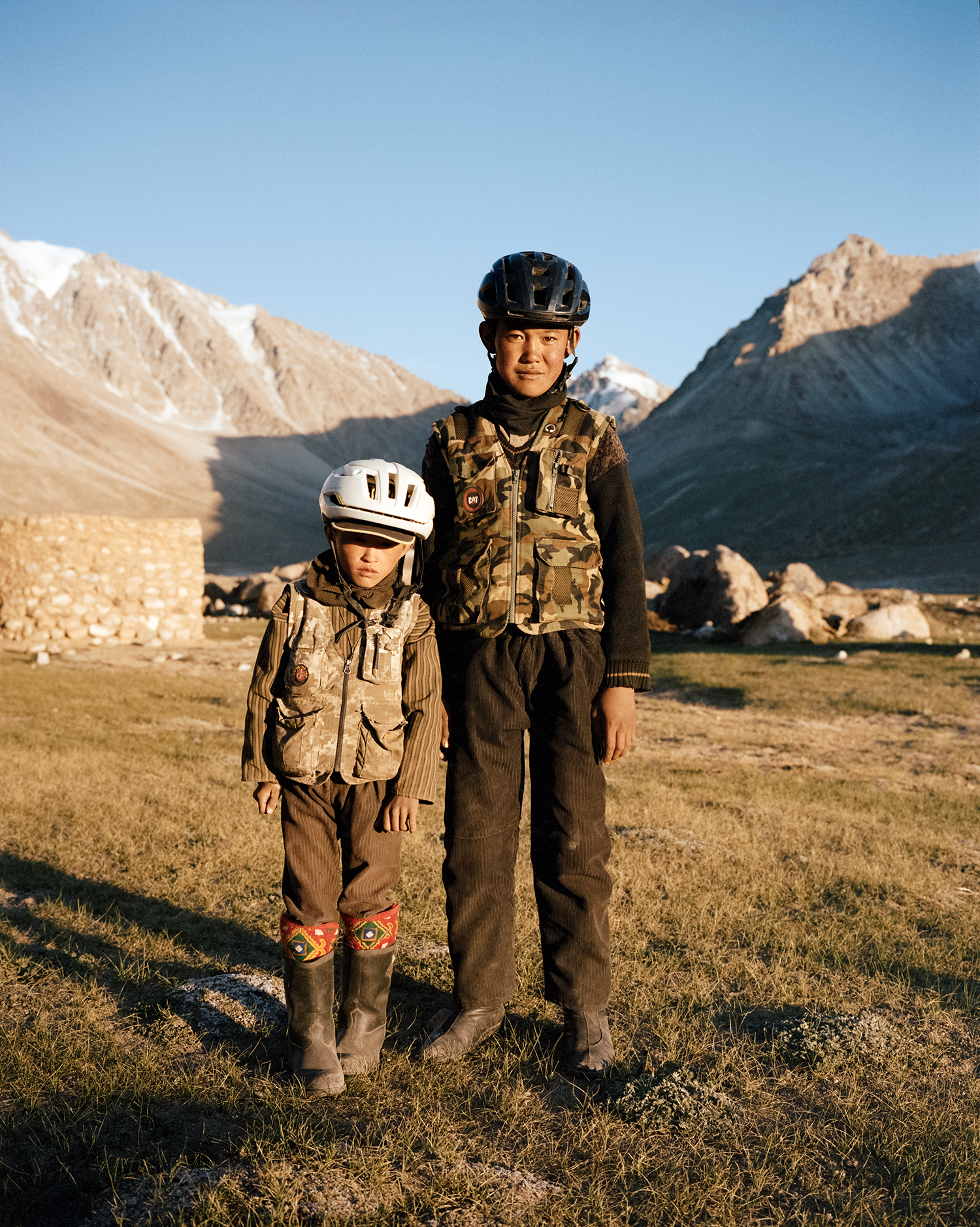
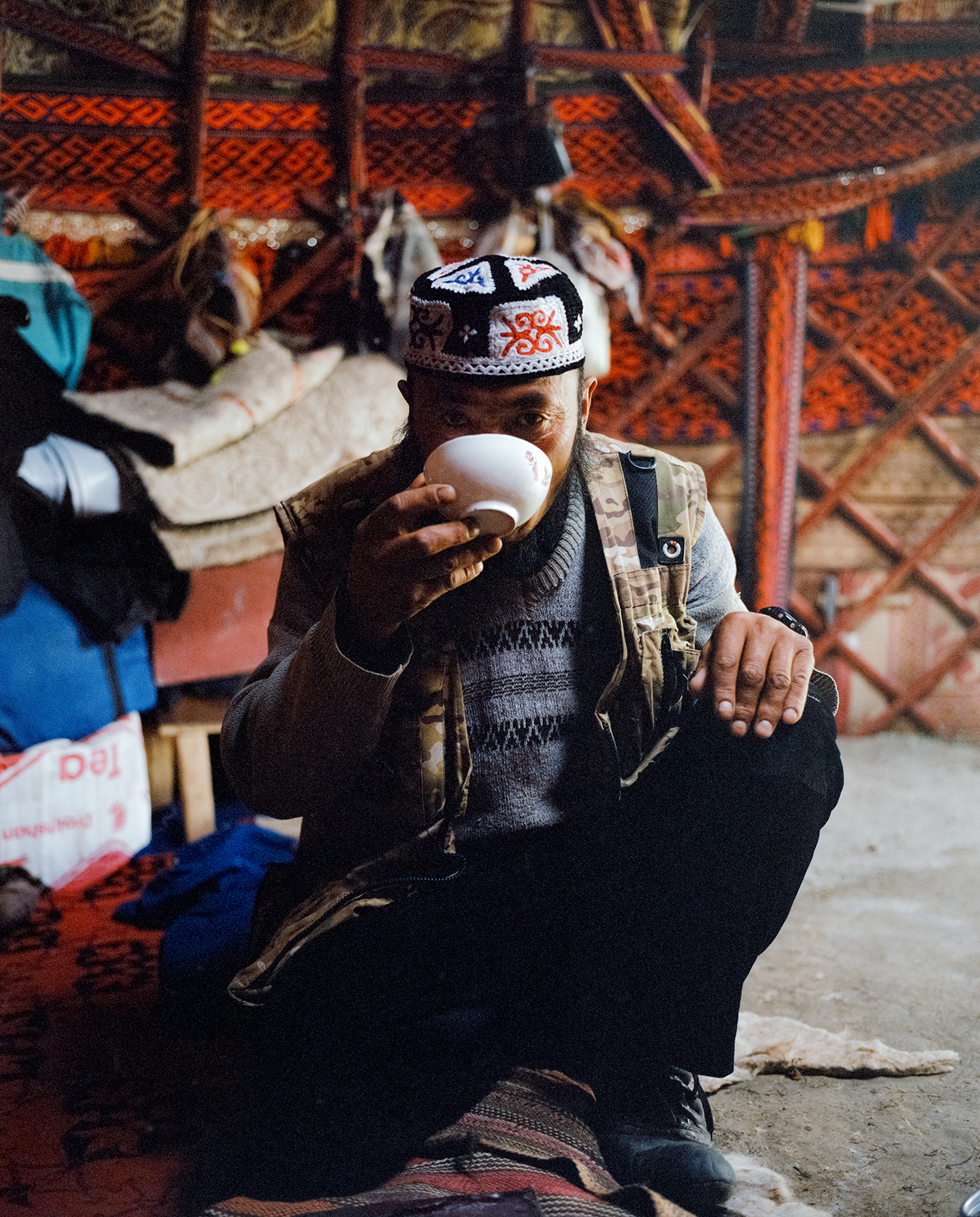
In Tajikistan the group wanted to meet and learn about the Kyrgyz people. While primarily located in modern Kyrgyzstan, the Kyrgyz are nomadic, living often in yurts and moving around the region, reaching as far as China. Hospitality is a central pillar of the culture, and the group was able to enjoy a prolonged spell in a Kyrgyz settlement spending three days, “Just getting to know their lives there. One of these days was my best day of the trip,” remembers Blindow.
Naturally, in any consideration of Afghanistan the Taliban regime looms large.
“It’s so isolated, this country,” says Blindow. “You can read some blog posts about it, experiences from others, but in the end you just have to go there, and see what happens.
“This was quite a big mental barrier: whether I personally consider it morally justifiable to travel to a country where more than half of the population is structurally oppressed.
“Throughout the planning process, this thought kept coming back. More than once, I considered simply calling the whole thing off. But each time, the adventure managed to pull me back in.”
In the end, the opportunity to see the country in deeper context won out over the concerns they felt.
“For more than 30 years, this country has been reported on almost exclusively in the context of war. On the ground, however, we were able to experience a different reality as well. It’s hard to see what people there have to deal with and we only ever see the tip of the iceberg.”
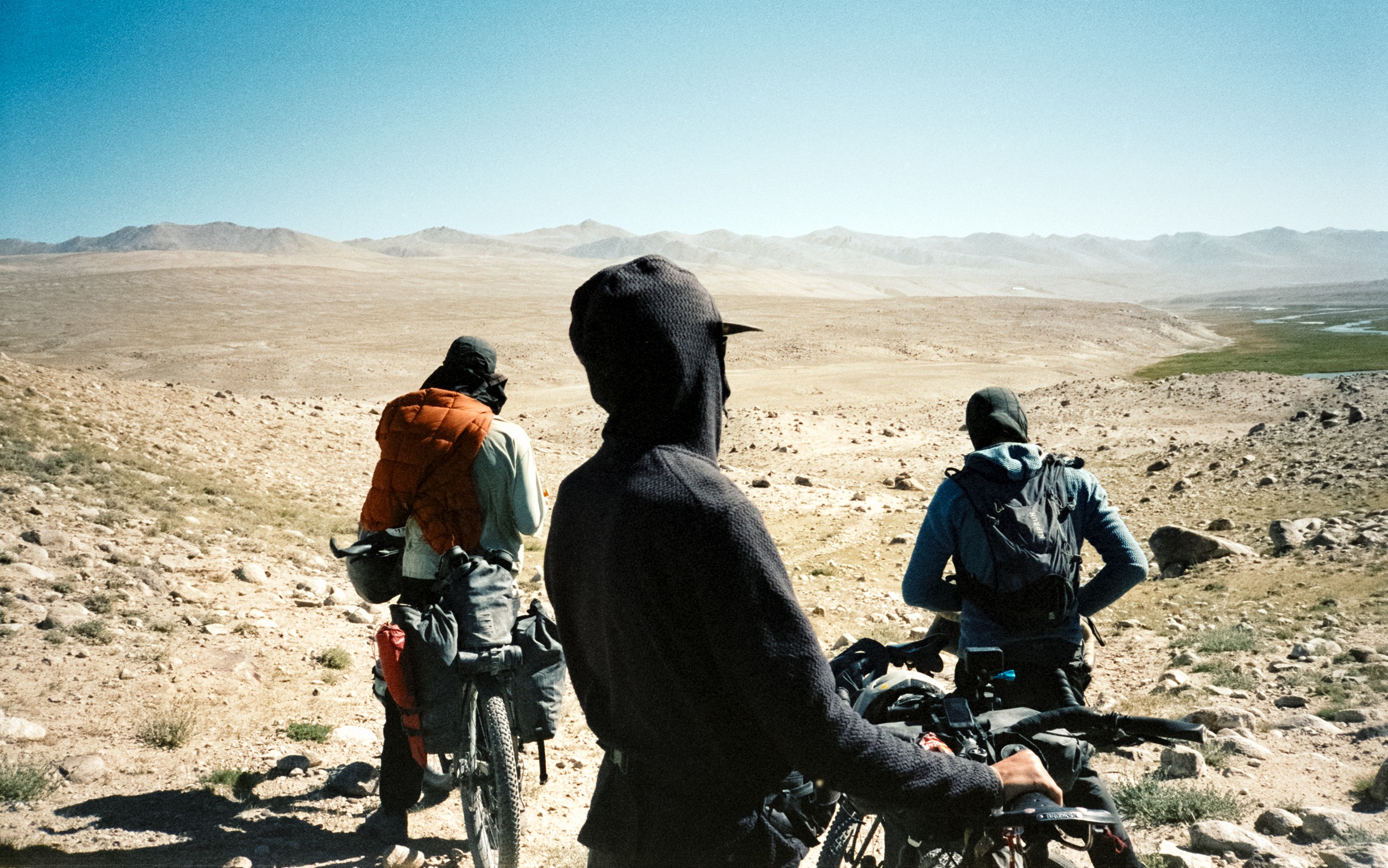
Olf described the border crossing itself, a surreal ride on a long bridge across a raging torrent.
“You ‘check out’ of Tajikistan and then there’s a big river with a big bridge. We were all in a good mood, rolling out. There were women working at the border post, checking your documents, which was really nice.
“After the bridge, on both sides you see trenches, like war trenches. And you get this ‘Ok, it’s a weird place here’.”
“It’s like no-man’s land; a timeless area,” adds Blindow.
One of the first sights they saw on Afghan soil was a member of the Taliban, fully kitted out in US army gear left behind when the last western forces withdrew in 2021.
Olf recalls that this soldier did not seem pleased to see them: “He was really small, like one metre tall with a huge beard. He was looking at us in a really bad way.”
At the land border with Tajikistan, visas can be obtained on-arrival, but the process is protracted and frustrating: “They like to mess with tourists.”
The group were stuck for two days at the border post, before finally moving on and into Afghanistan-proper.
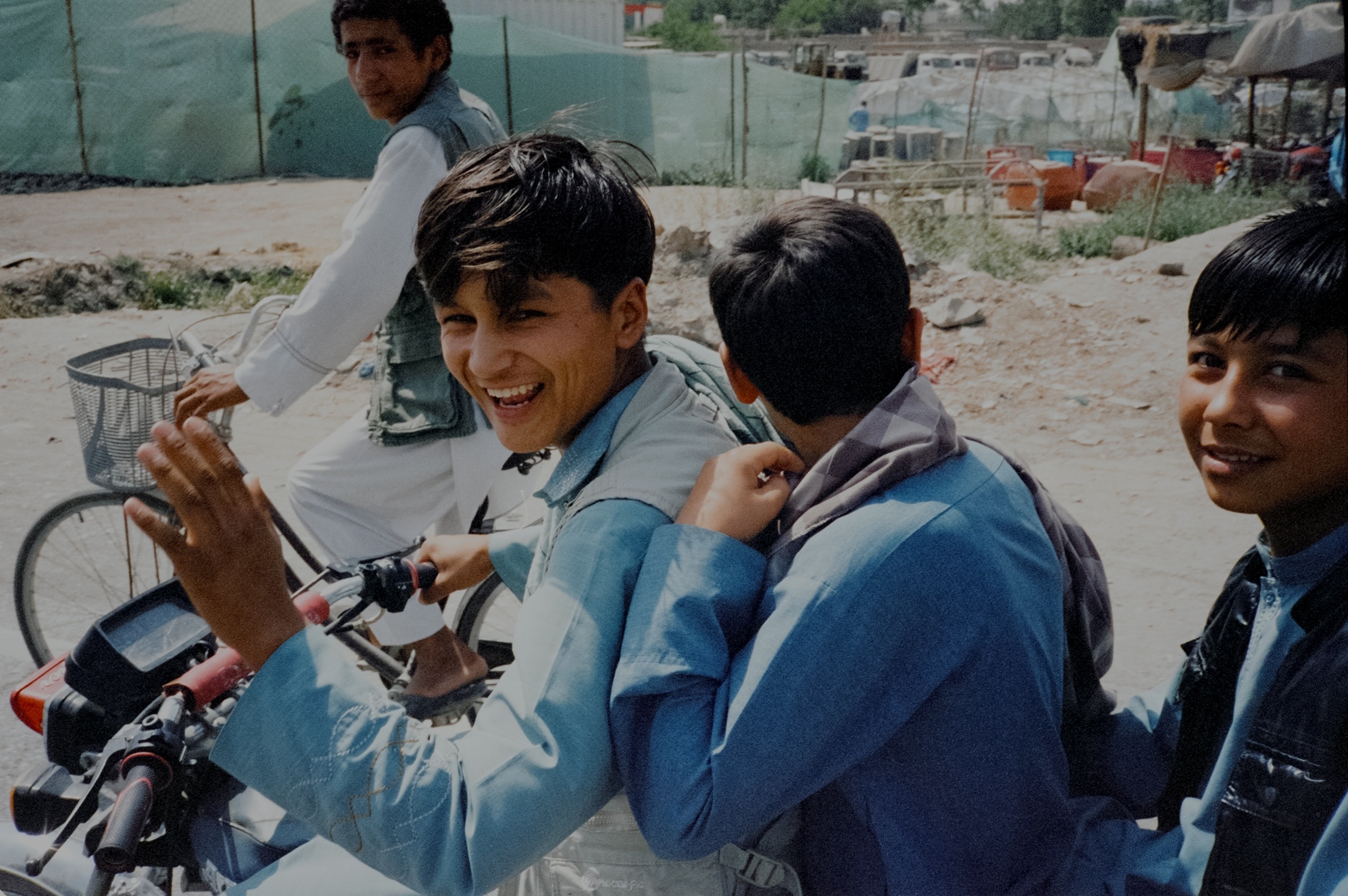
“After we left the first city, like coming down into Afghanistan, we started to feel better,” says Olf. “We saw more people and that was really helpful, we had a lot of nice experiences with the local people there.”
Both Olf and Blindow talk warmly about the people they met throughout their journey, on both sides of the border. But the stark contrast between the two nations was also laid bare as the group journeyed deeper into Afghanistan, headed for the Wakhan corridor.
“You go back like 500 years. I don’t know, it’s crazy,” says Blindow. “On the Tajik side, you see modern cars. They’re using machines for agriculture. Then on the Afghan side, there are animals doing the jobs we saw being done by machines in Tajikistan.
“It’s like nothing. Coming from Europe you just think, they have nothing.”
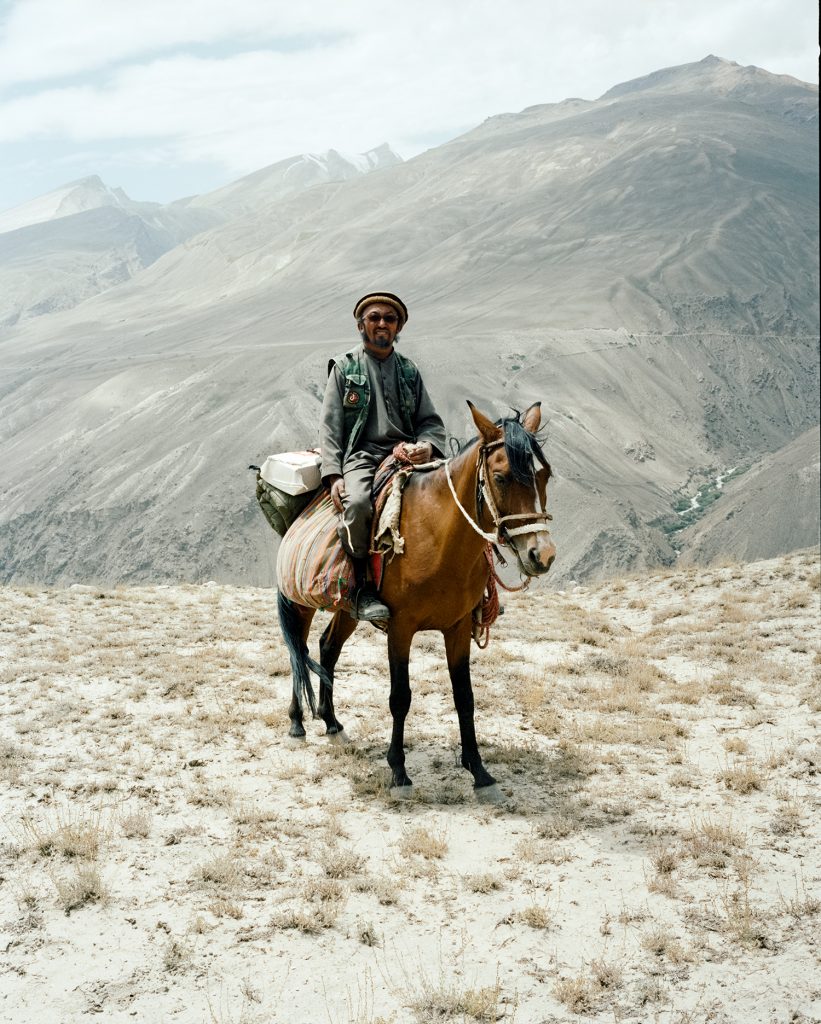
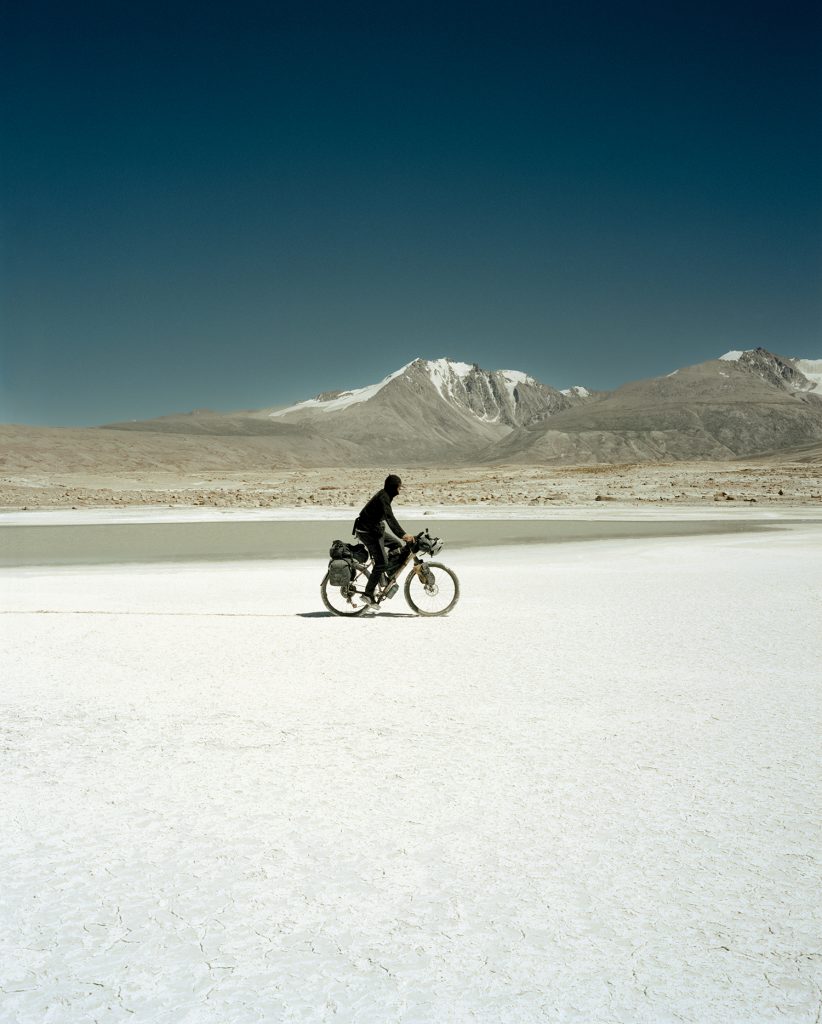
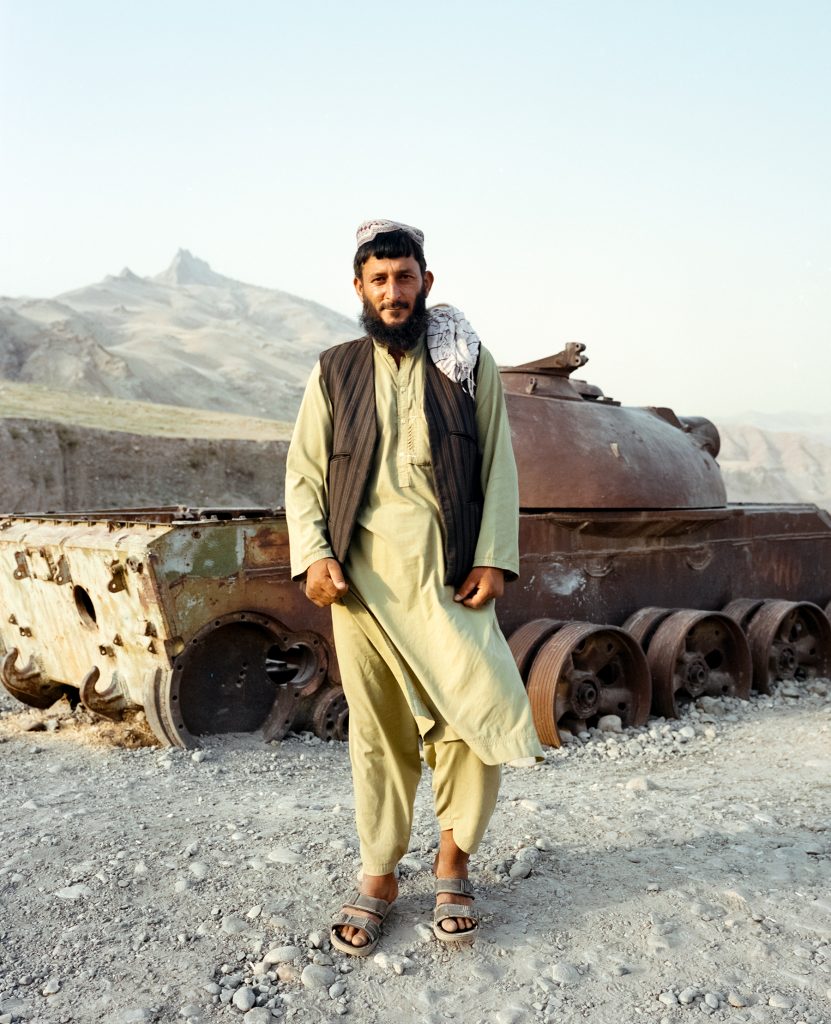
“We spawned like aliens with this modern technic.”
The women who were stamping their passports on the way out of Tajikistan were among the last the group saw on their journey. In Taliban-ruled Afghanistan, women are banished from public life. The cyclists saw plenty of men and children, but no women.
“It’s surreal to shake hands with people who are kind and polite to you because you are men, while at the same time women are being killed simply for being women,” adds Blindow.
As the quartet continued their journey, they began to understand just how unusual of a sight they were in this country.
Crowds would gather round them any time they stopped. The same questions in English would be repeated time and again. “Where are you from?” and “Where are you going?” are familiar refrains to bike tourers across the world, with Afghanistan no different. Perhaps less common globally, but frequently asked on their way to Wakhan: “Are you married?”
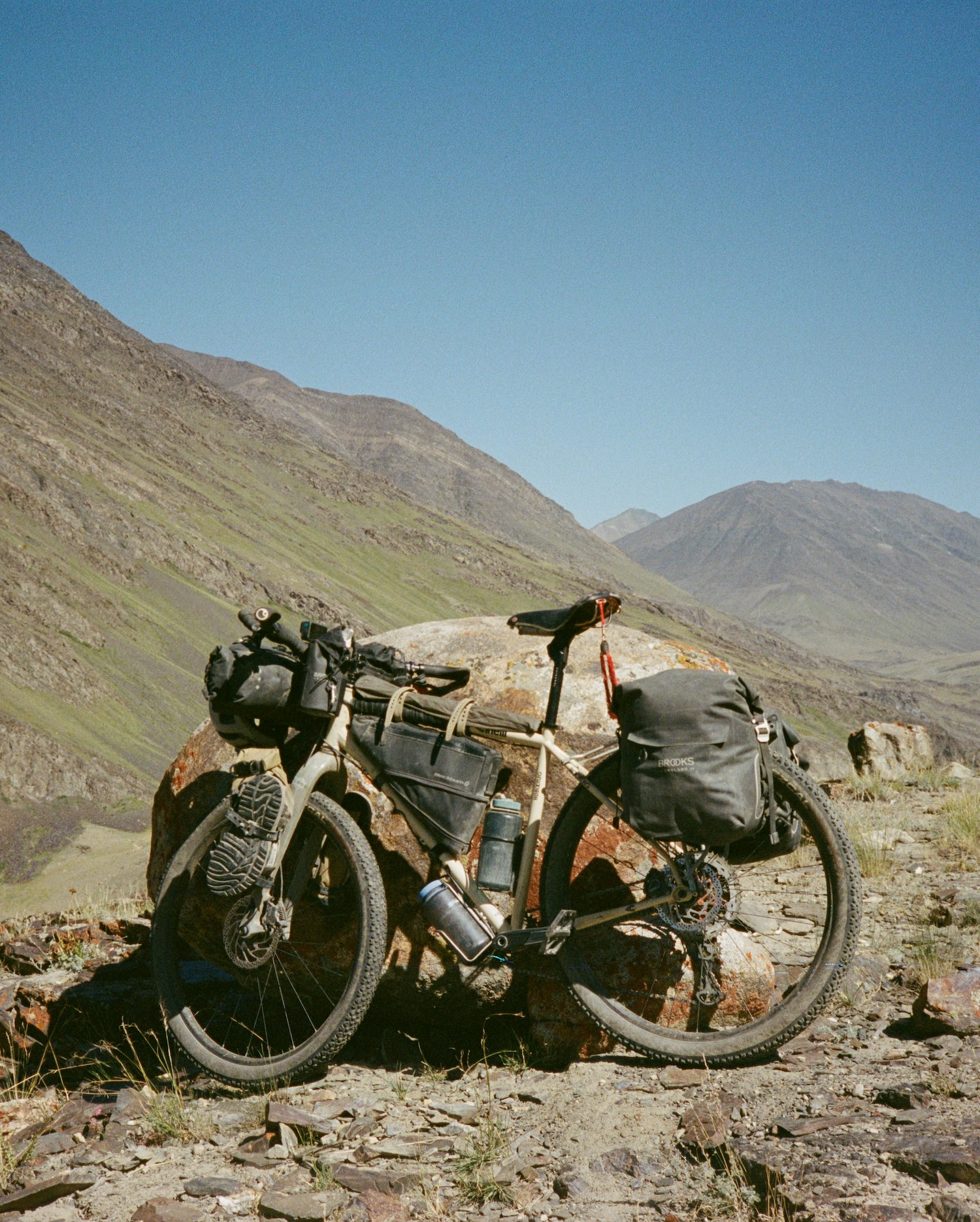
People were also fascinated by the bikes: “We spawned like aliens with this modern technic.”
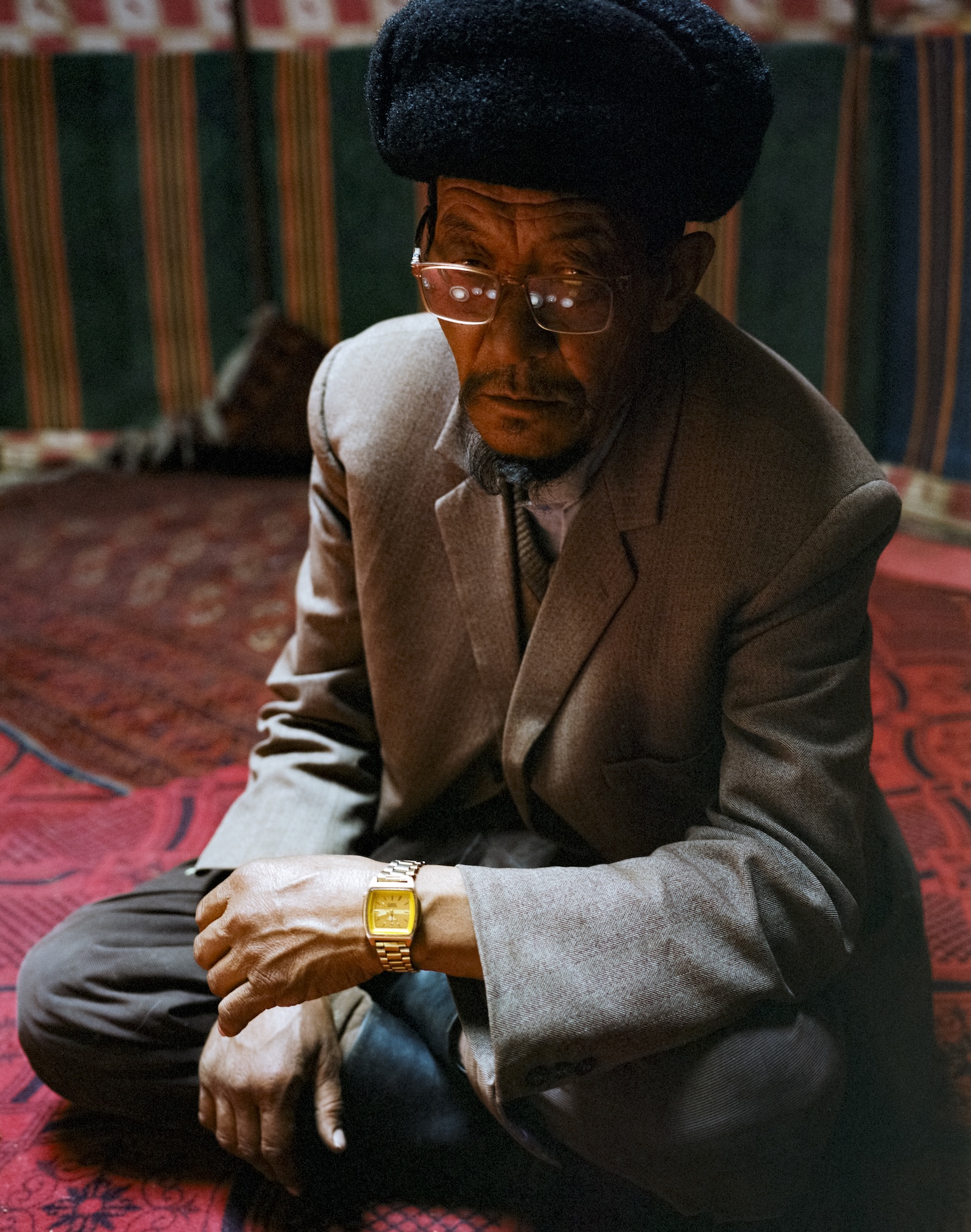
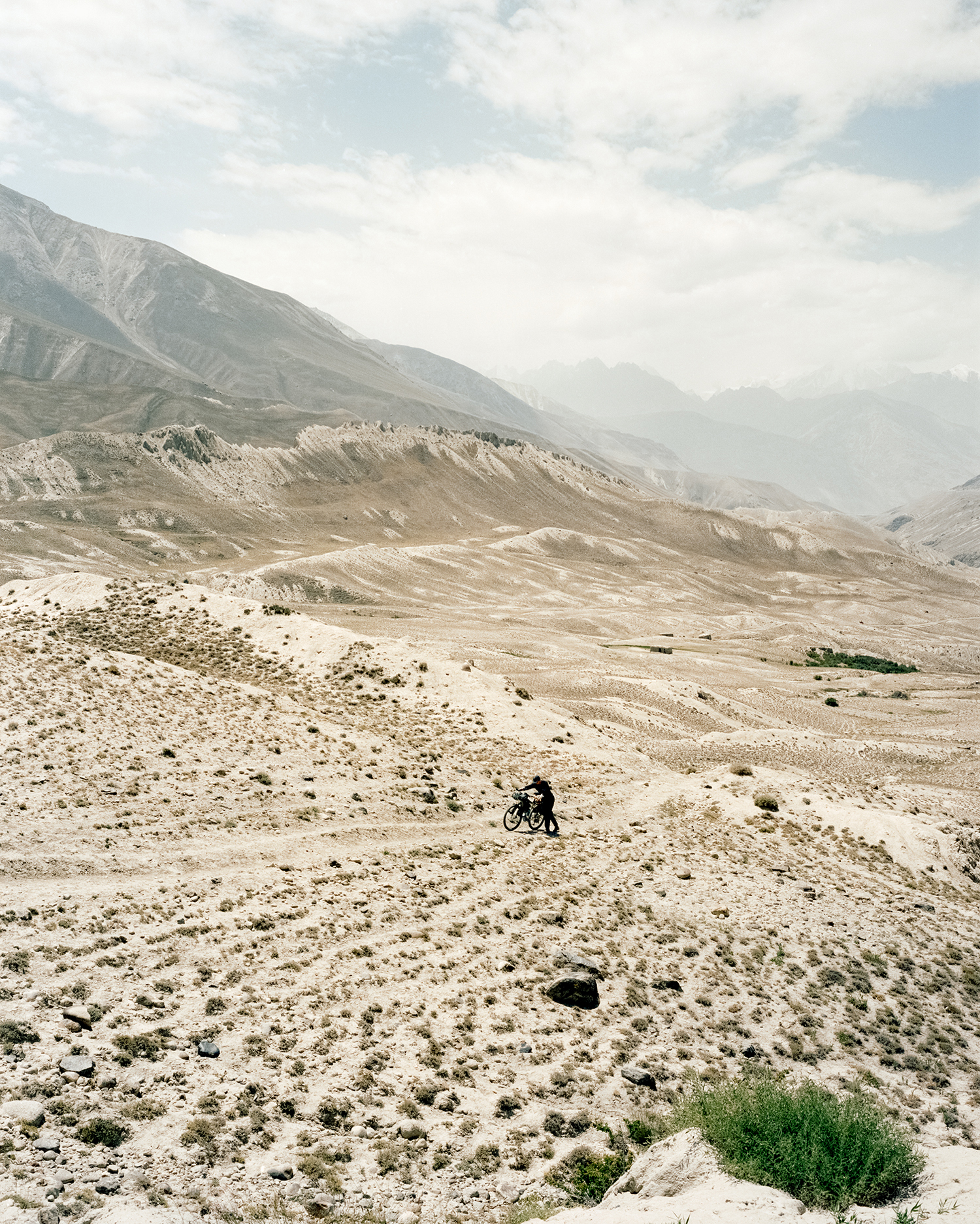
Although they spent weeks beforehand, riding through Tajikistan, staying with nomadic Kyrgyz people, the Wakhan corridor was “the main mission” of this trip. On arriving there, Theo, Olf, Ruben and Alex experienced another transformation, one that threw their best-laid plans out the window.
“Once we began in the Wakhan, it was really slow. Our timetable was completely impossible,” says Olf.
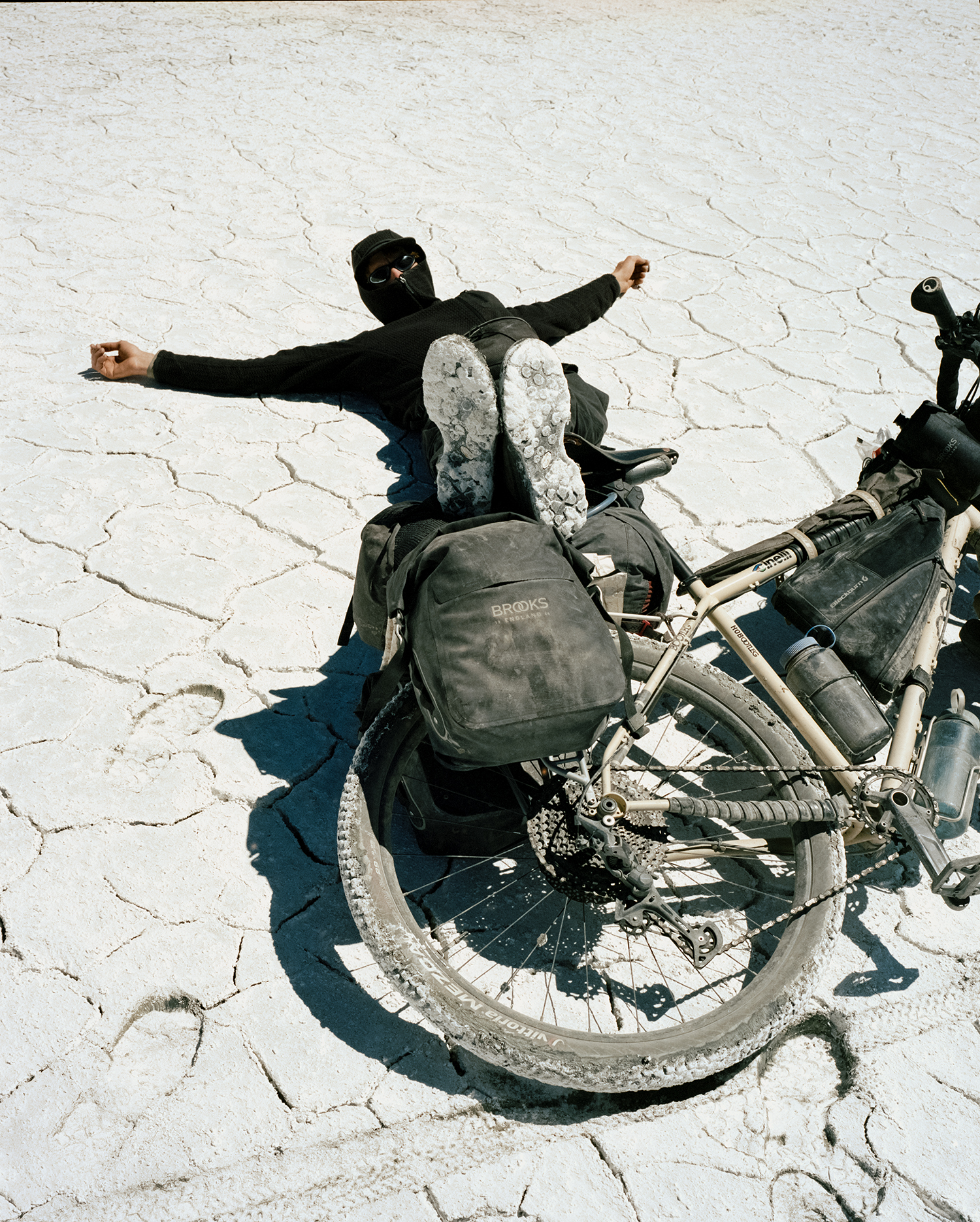
“The roads were really bad: big rocks, sandy. Some sections where you just have to pull your bike,” adds Blindow.
“And then some days, the headwind was so strong that you can’t move. That was the flat parts. Once it started to get hilly, there were days where we had to make every step in two parts. First we’d carry the bike, then come back and collect the luggage.”
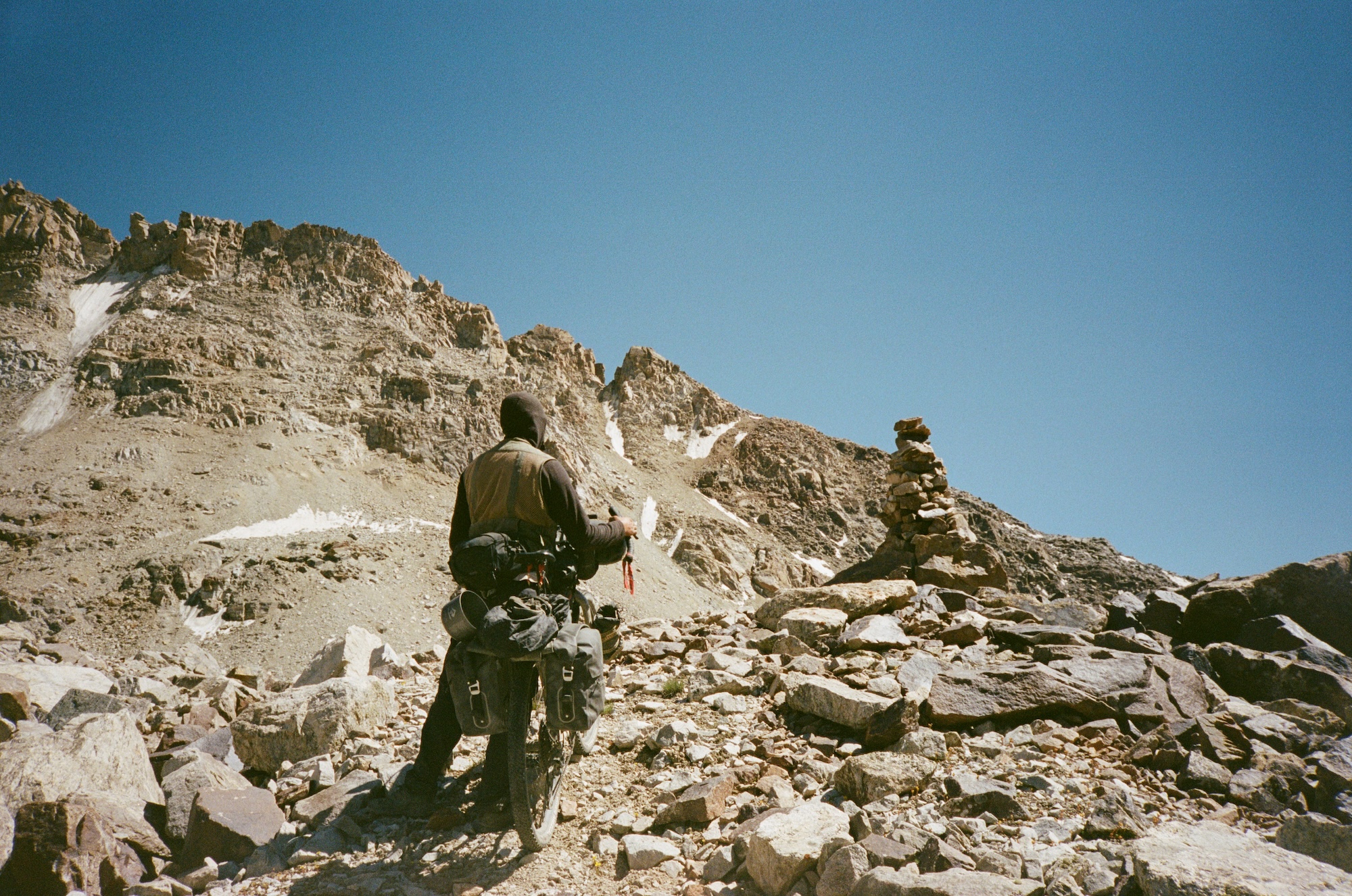
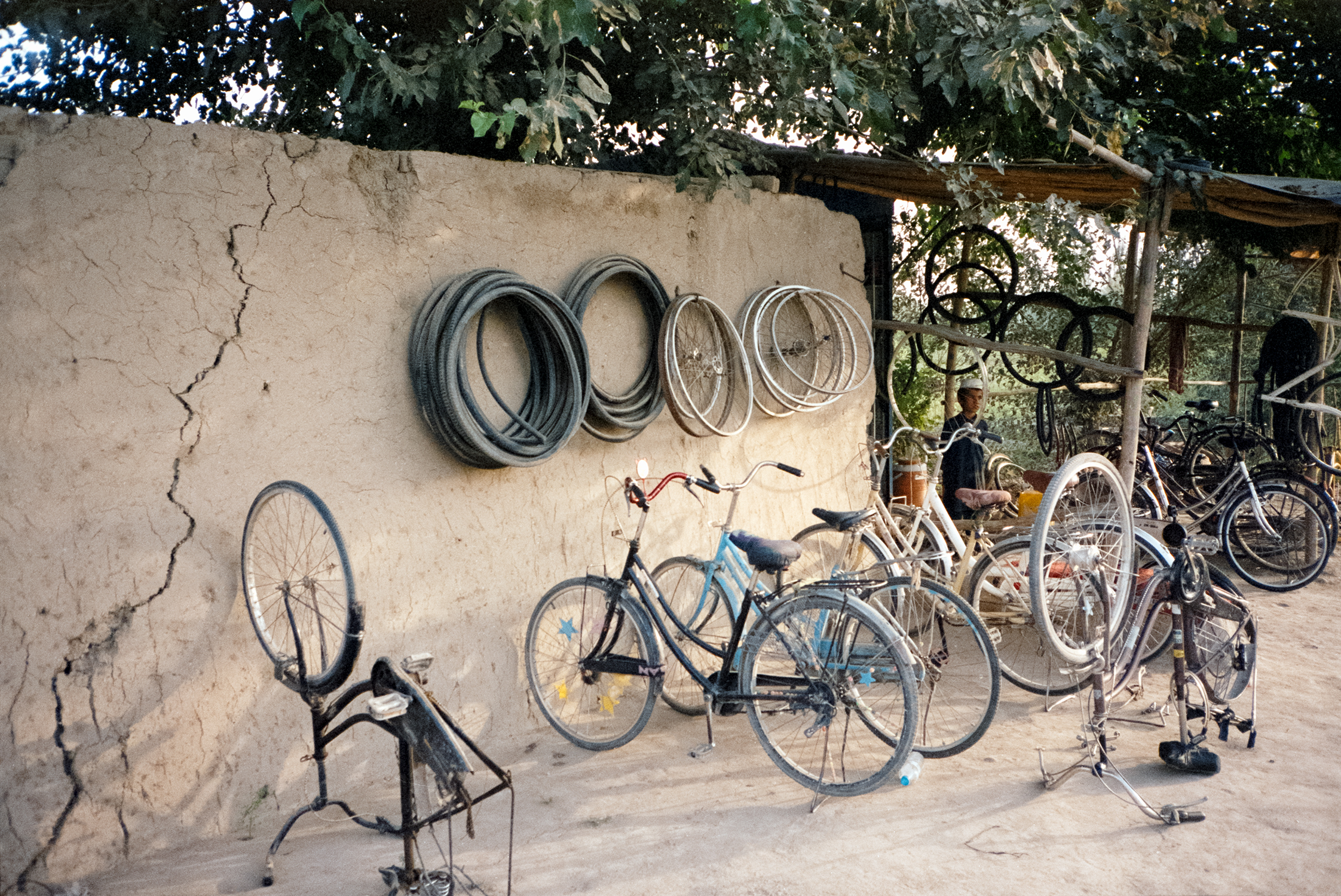
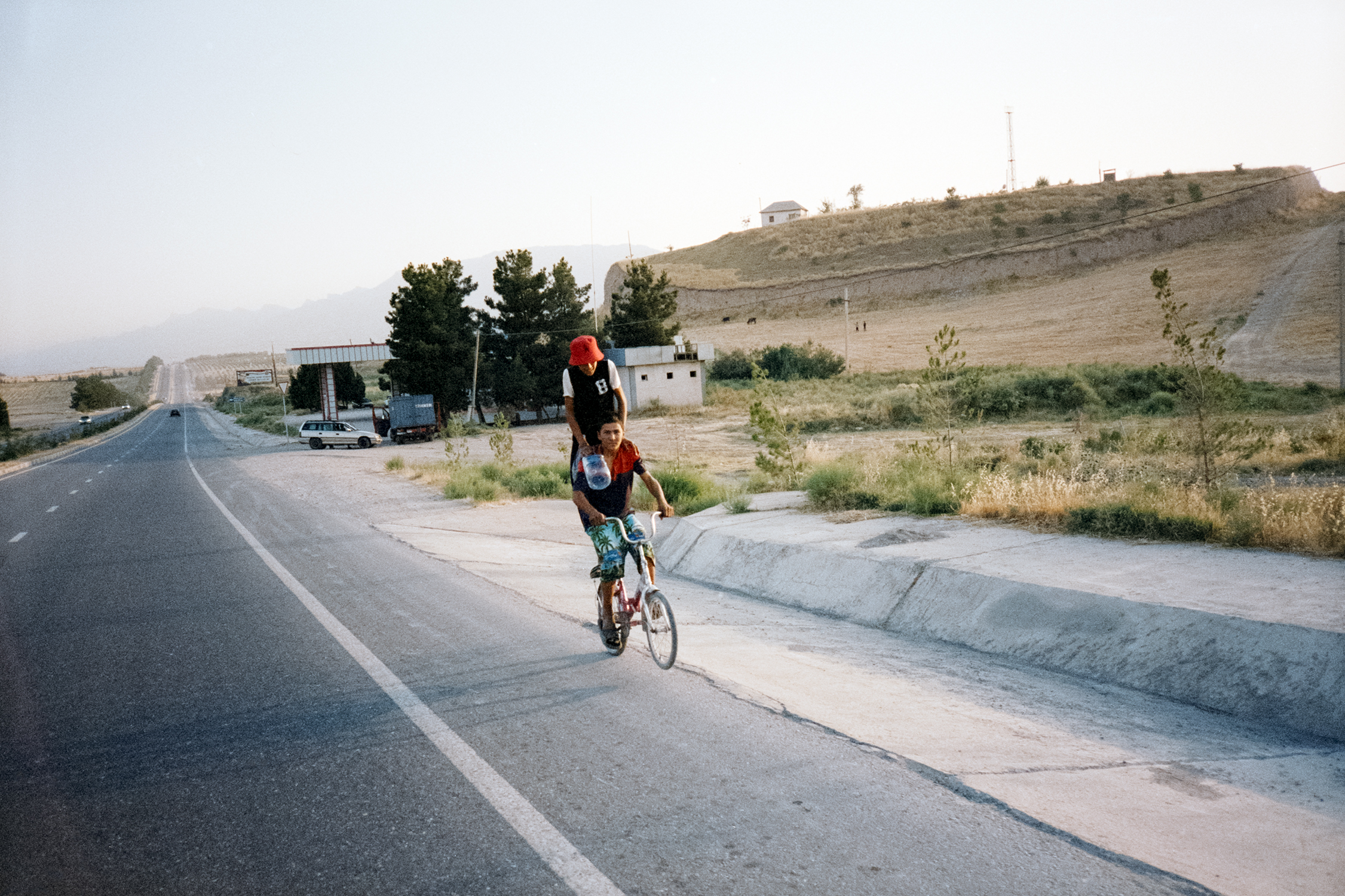
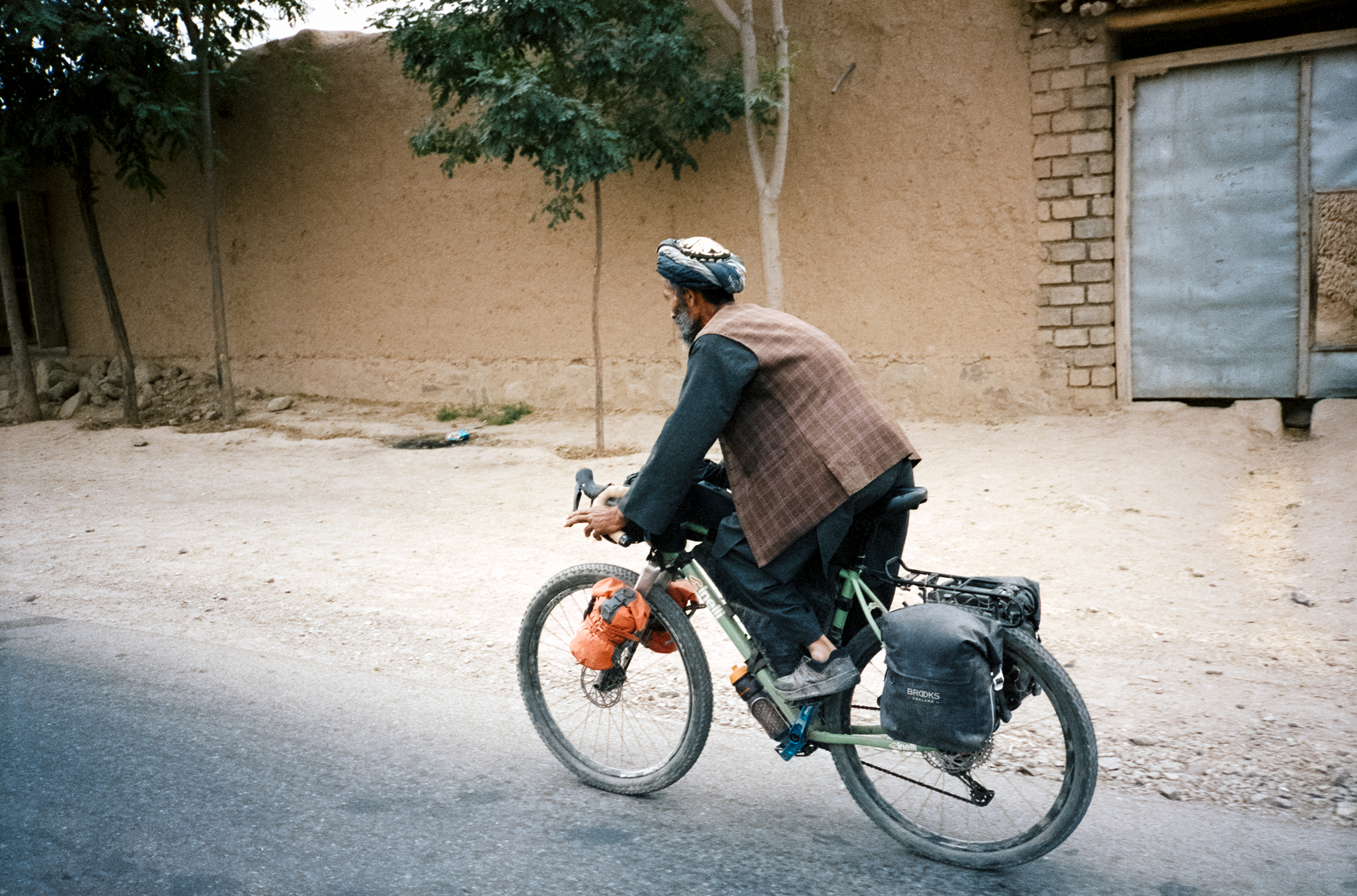
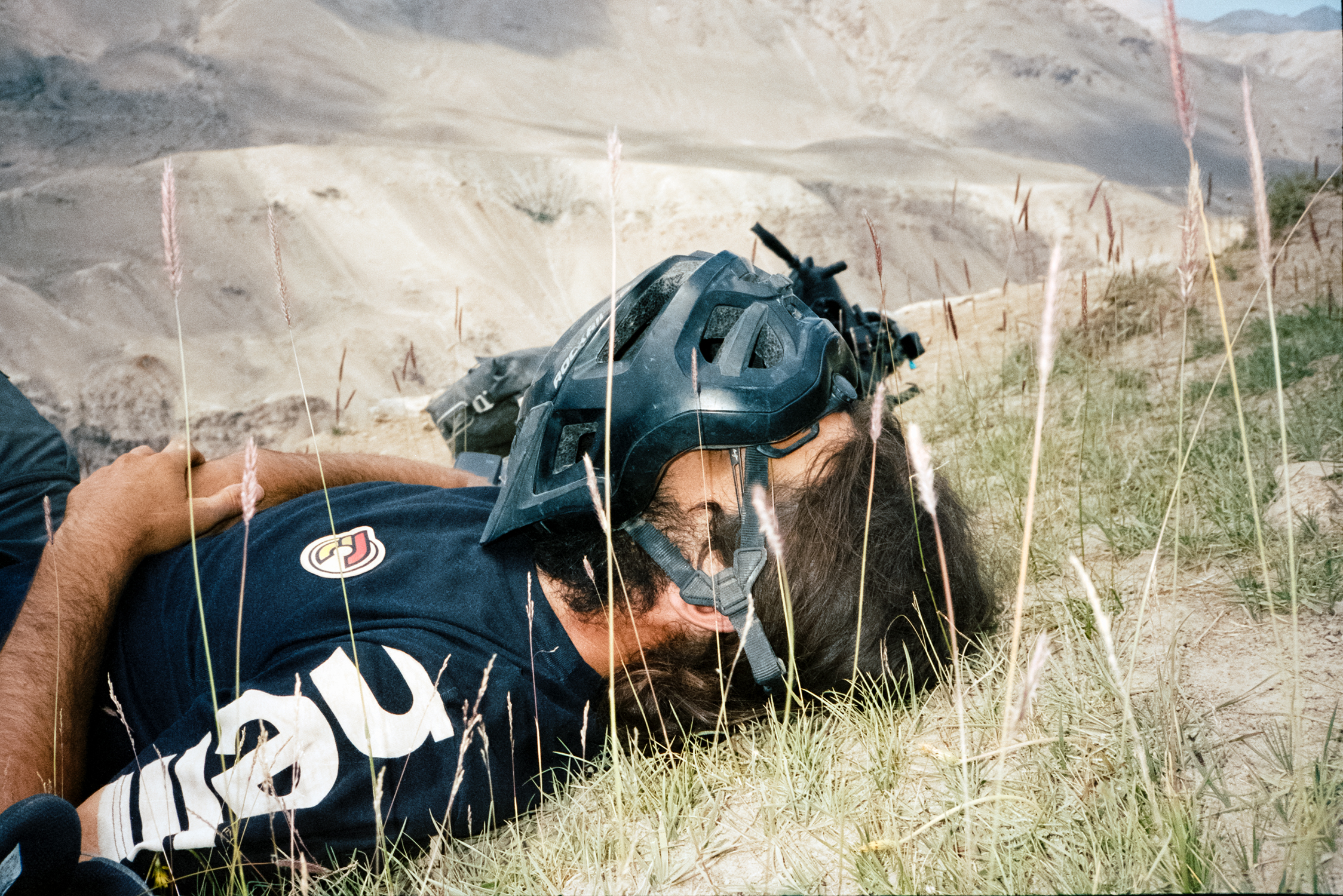
Their daily distances in the Wakhan hovered around 30 kilometres. They re-evaluated their options. One of the four contingencies they’d planned for their journey back home to Germany had involved riding into Pakistan, but their painstaking progress in the corridor took that out of the equation.
Their visas were another concern. They had only 30 days in Afghanistan. They set out to make the most of their time, with a crossing of the Showr mountain pass as their new goal.
At 4,900m above sea and serving as a gateway into the Big Pamir, the Showr pass turned out to be a literal and emotional highpoint.
“It was special. I had the feeling, ‘OK, we’re really in the middle of something. There’s no help coming’,” Olf recalls. “Every decision you take in those moments is important. I like that feeling.
“Everything nowadays is so safe, you never find yourself in a situation where you can’t get help. This feeling is compelling to me; you have the full focus on responsibility and decisions.
“Most people will never go to Wakhan. And we probably won’t return. To be there one time was truly magical; such a remote place, such a beautiful culture with the Wakhis and other people living there.”
On the way back out of the Wakhan corridor, the riders were to experience one of the finest and most deeply-held traditions of the Wakhi culture. Indeed, the culture of this whole region.
“We took a wrong turn on the way down off the mountain pass. Then everything went bad; we had a little fight between each of us,” says Olf. “It was a really bad, intense situation. And then we took the wrong turn and we went the wrong way for two days. Eventually we realised there was no way through, we had run out of food and had a small amount of water left.”
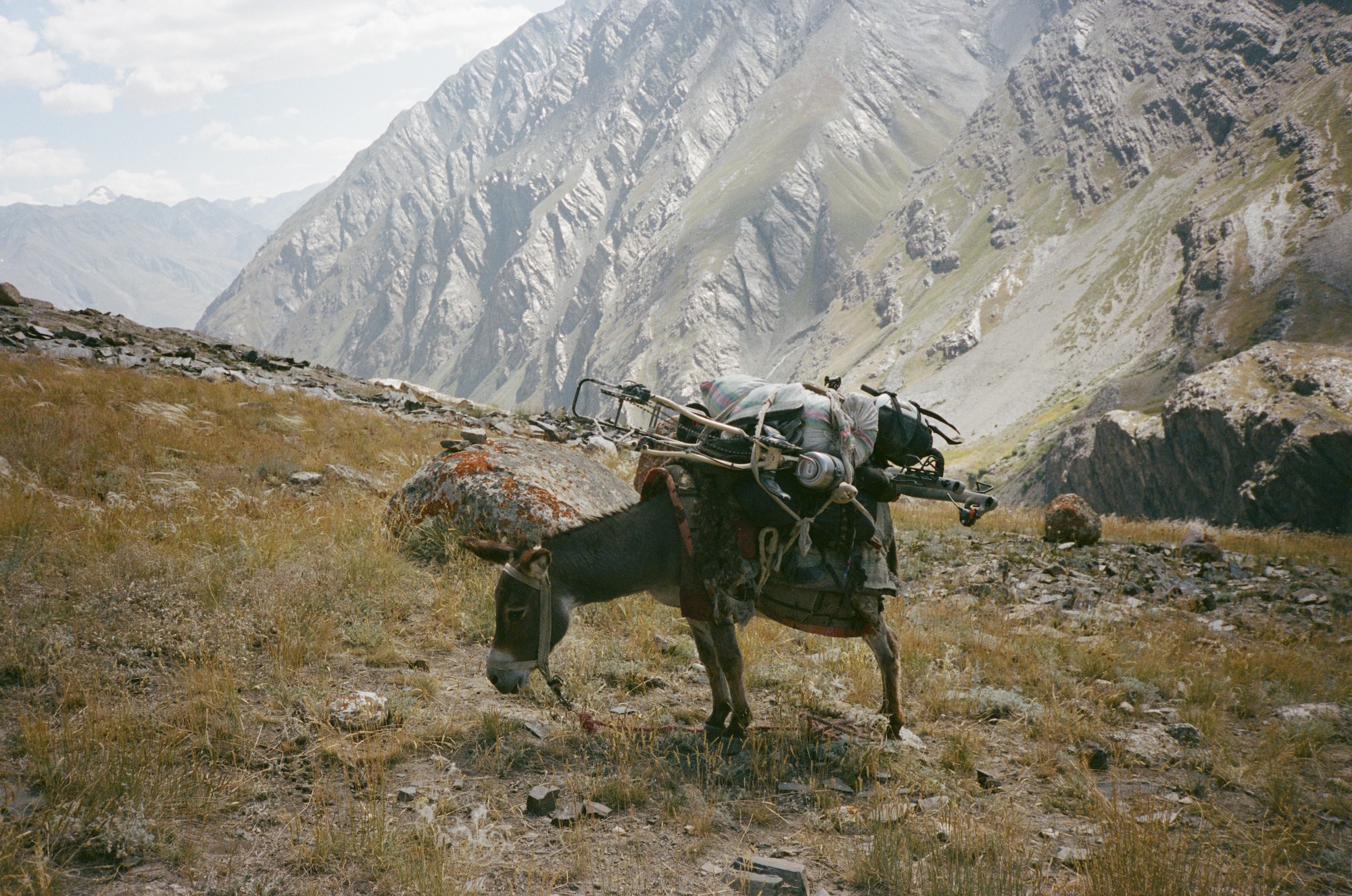
The crew split up, with Theo and Ruben going in search of help and Olf and Alex staying to portage their bikes and kit up to a higher potential path. The pair left behind spent a night there, while the other returned a day later with two men, a couple of donkeys and armfuls of loaves of bread.
While they were doubtless in a precarious place, there was never any doubt in Blindow’s mind that they would receive help from the people of the valley.
“It’s part of the culture of these areas to help. In the mountains, you need to help each other.”
With the assistance of the porters (and their donkeys) the crew made it back down from the Wakhan corridor. They jumped into taxis to make the final dash to Kabul and flew home from there. Months in the planning, five weeks of riding and experiencing everything the region had to offer, and all of a sudden it was coming to a close.
Back in Germany, the group experienced the post-adventure blues, a phenomenon common to many long-distance cyclists who’ve reached the end of their road.
“I think for me [the biggest lesson] was the contrast to how we live here. And, for me, I just felt really, really privileged. I felt a really bad mood in the days after the trip. It was a hard time to get in this reflection.
“Everything you hear about this country is about war: and now for me personally, there are people giving this place its character. I have a better feeling about this country, while at the same time you are more aware of the conditions they are living in. That they have a really tough life.”
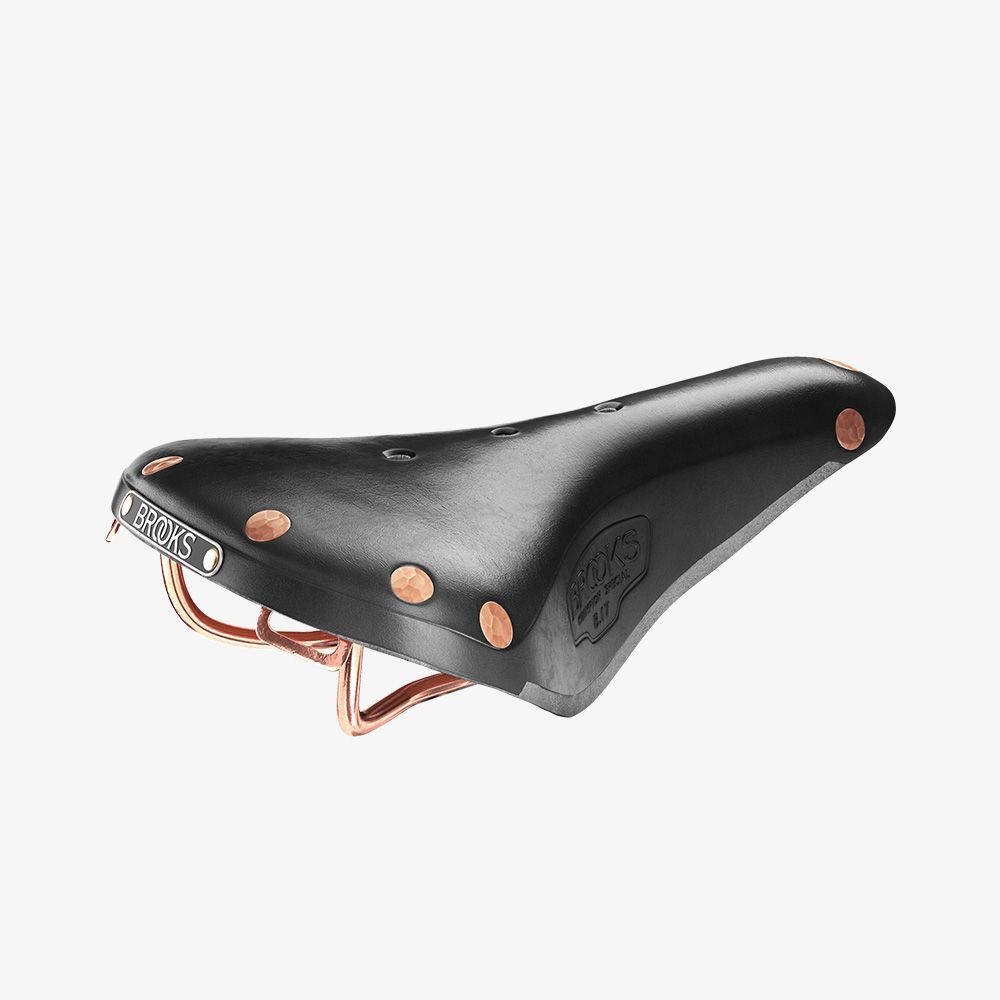
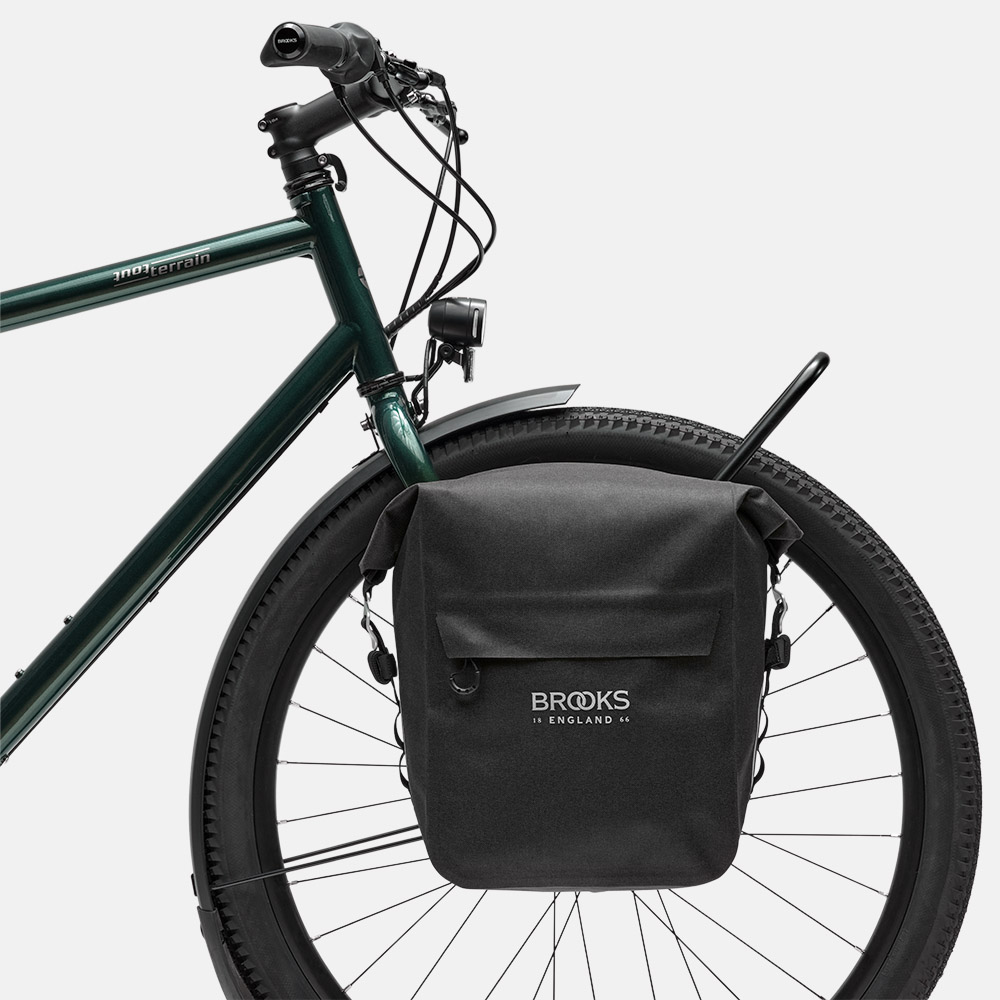
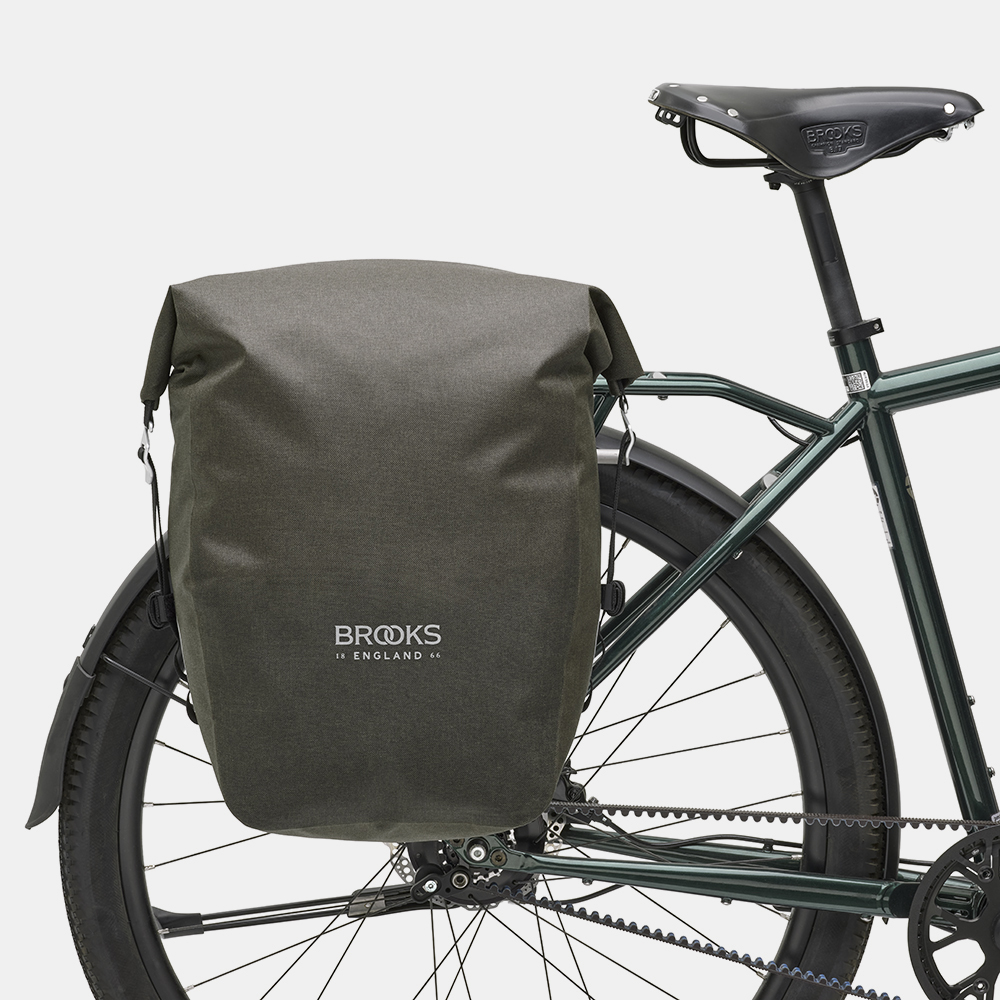
Essential kit for the Wakhan corridor
More Journeys Stories
The land of powerful mixtures
West Africa’s untapped wonderland – discovering Sierra Leone gravel
READ MORE
Get 15% off
your first
purchase.
Don’t miss our epic adventures.
Subscribe to our inspirational newsletter.