


Bikes
Stayer Cycles, keeping it simple.
And bringing through the next generation of builders.
Words: Tom Owen | Photos: John Watson
Stayer Cycles has been going for ten years, but their bikes still feel like a breath of fresh air. The company is led by frame builder, Sam Taylor, and wheel builder, Judith Rooze. The duo are supported by a small team and, between them, the Stayer crew manages to cover a remarkable amount of ground.
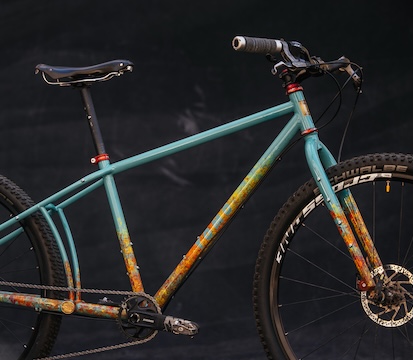
One of the things that makes Stayer interesting is that the company doesn’t just offer custom bicycles. There is a real utilitarian spirit behind what the business seeks to provide. For £200, Stayer will modify your existing steel frame to be compatible with disc brakes, while the brand also offers the CarryOn ‘conversion kit’ allowing you to turn a ’90s mountain bike into a fully-operational, front-load cargo bike.
These are functional, clearly priced ways of making custom fabrication feel accessible – and that is often a sorely missing component in the wider world of bespoke builds.
Brooks England spoke with Sam Taylor about Stayer’s experience at Bespoked UK 2026.
What was the Bespoked vibe like this time round?
We had a little break for a few years and this is our second year back after that. We have in years past found the show to be busy and stressful, as well as exciting and a great place to meet people. After a little time away, plus perhaps a little perspective that time may have brought, I personally now focus more on the calmer – and for me more positive – aspects of the show, rather than perhaps the stress or weight of what can be achieved, or the stress that is somewhat inherent in public presentation.
Bespoked for me now is first and foremost welcoming and friendly. Certainly a place for seeing friends in the business and meeting people who are into bikes, as well as seeing some amazing work from a community of builders I hold in very high regard.
There really is no better place if you are into bikes, making things, creativity of thought, creativity of enterprise. Bespoked is a remarkable jewel of a bike show and the UK edition, for me, is something very singular and special within it.
What brought you to bikes, and how did that turn into frame building?
I have always ridden bikes for fun, but also as a main means of transport. Making was my access point, rather than wanting to create something to ride that I didn’t feel existed or needed improving.
While at art college Judith and myself would fix bikes as well as go on protracted trips around Belgium to gather old bikes and fix them for our school friends. Fairly quickly after, we had a shop space where we’d fix bikes for anyone who asked.
After college we continued with the bike shop, as well as with buying bikes and fixing them. Many needed frame repairs and as I had some of those skills already, and had applied myself in some odds and sods to my own bikes over the years, I ended up involving myself more in the metalwork side of things. I left the mechanical side of things up to J and the others.
It was a small step from that to building something from scratch and I didn’t really look back.
What was the first frame you ever build and where is it today?
I built a fixie, as many people do I think. More grass track than skinny tyres, though. I still have it. I built it in a very traditional lugged style. Silver soldered with some heavy track dropouts I cut from a piece of plate steel. I was most proud of the fork although it was a weird length and didn’t really fit the wheel size.
I remember following building instructions from a copy of the Paterek Guide I had acquired. I set up the oxy-acetylene over the phone with my dad and welded up a fixture table to make it on. It was a crazy project really, but it didn’t feel too far out of my comfort zone – which in turn felt quite good at the time. I was finding many things, especially in the academic world I had inhabited for the previous few years, to be a significant challenge, so it felt good to do something that practically it seemed I could do well.
It was also great to build and ride my first bike. From then I was fairly well hooked I would say.
When you’re designing a frame are you thinking as an engineer, a designer or an artist?
Coming from an arts background, I am and would have been if I had pursued it further, a bad artist, but I am a good maker. I don’t feel artistic or as if I am making art when I am making a bicycle frame. Being an artist for me is more of a name you call yourself and the work you make. Maybe more of a way of considering yourself rather than a designated approach.
I do feel creative though, and flow and feel for what I do is very important to me as a maker. I am not an engineer really either as I am not as precise or scientific as you need to be for that name, although I am interested and practiced in basic engineering skills to enable many of my approaches to building.
Design is also a part of the process for me but really it is very much a combination of making – hands on rather than paper or computer based – with an engineering base. Mostly, I think like a maker, problem solving and being creative, while considering both bicycle history and aesthetics in the process.
What is a moment you nearly gave up on a project?
Mostly when it becomes too complex and loses its purpose. For me things need to be simple. Overcomplicating something as seemingly simple as a bicycle kills it for me. I am very much about the simple solution and if things start to pile up to make it work, you lose the thread and the singularity of purpose then its done for me.
Giving up isn’t a bad thing though. Knowing when to drop something can sometimes be the most liberating. Free up your time for better ideas or come at things from a different direction. Of course that can feel scary if you are committed to a project but still there needs to be a moment when you call it a day on something. There is no point in doggedly pursuing an idea if it is clear that it isn’t working or maybe you aren’t the right person to make it work. Understanding when to call it for me is one of the best ways to make progress. Look for a different solution and don’t get hung up on what you believe to be a good idea just because.
What qualities make a good frame builder?
I don’t know. There are many good frame builders and I feel everyone approaches things differently and that is what makes them all good at what they do. It is also what gets people into coming to you with their project and gets you work – if that is what you are looking for.
Frame builders seem however to tend to be capable of picking up an idea and making it their passion and the best I feel are either single-mindedly pursuing their chain of thought, or are good at interpreting your (the client’s) wants and needs into a vision that encompasses that and their own style. I would search for the latter if you are looking for a custom bike builder. The former will probably make something first and then find a person who wants to ride it. Both are valid, both talented and both qualities present in most builders to some degree.
Finally, tell us about one of the bikes you brought to Bespoked.
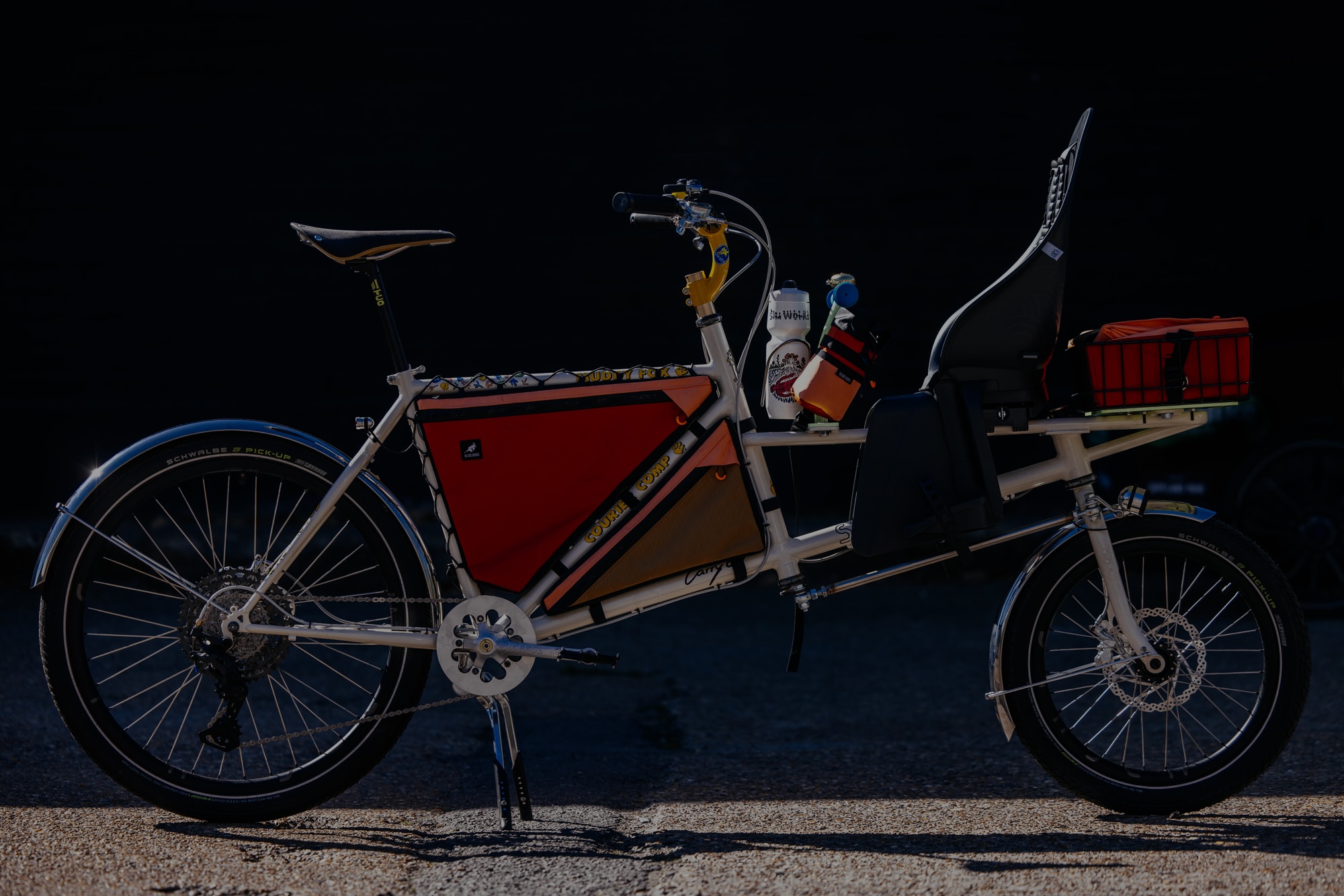
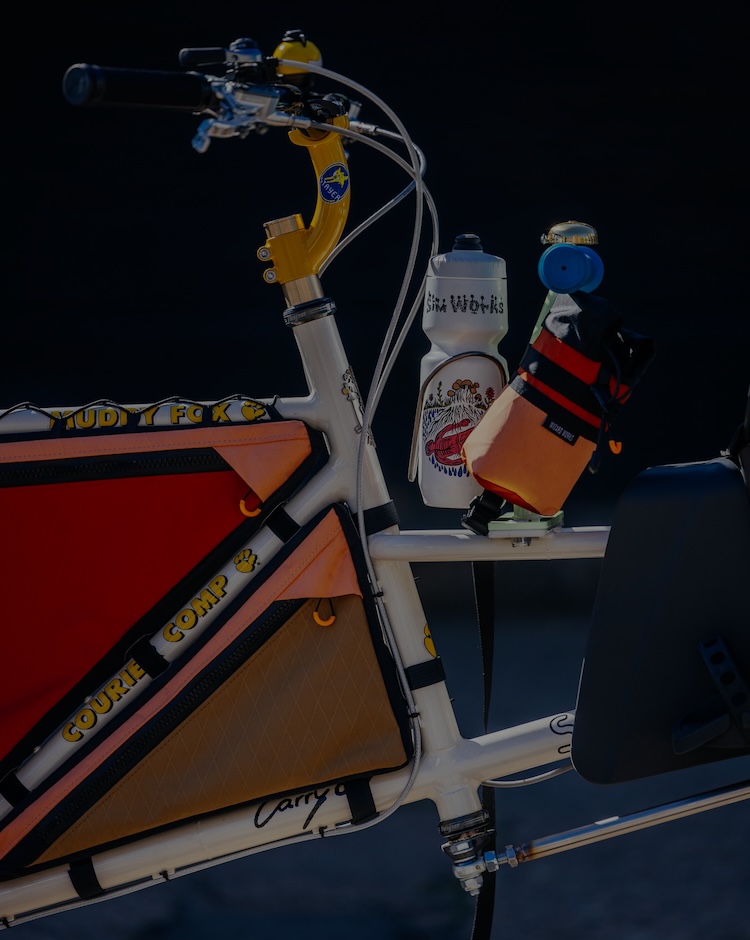
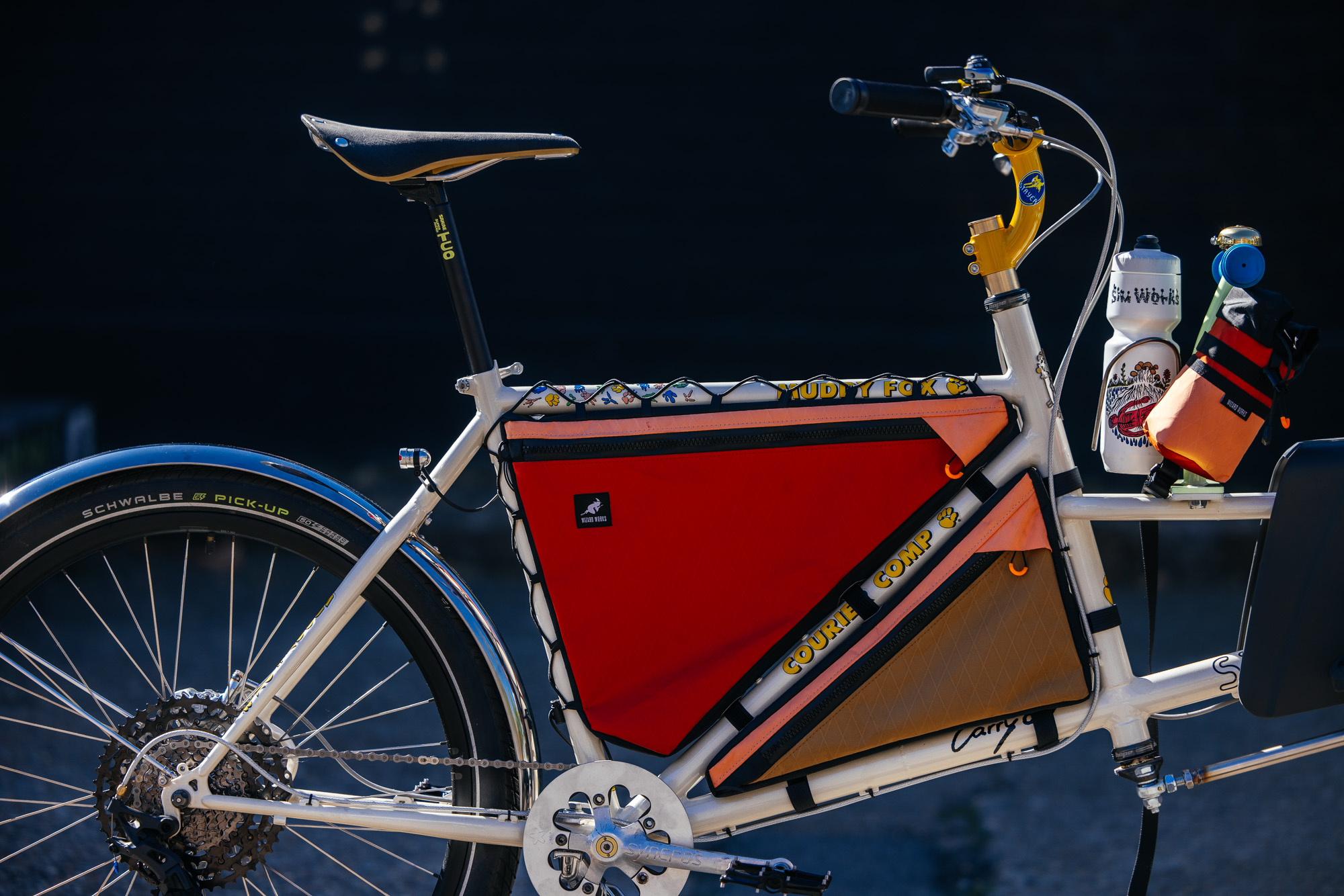
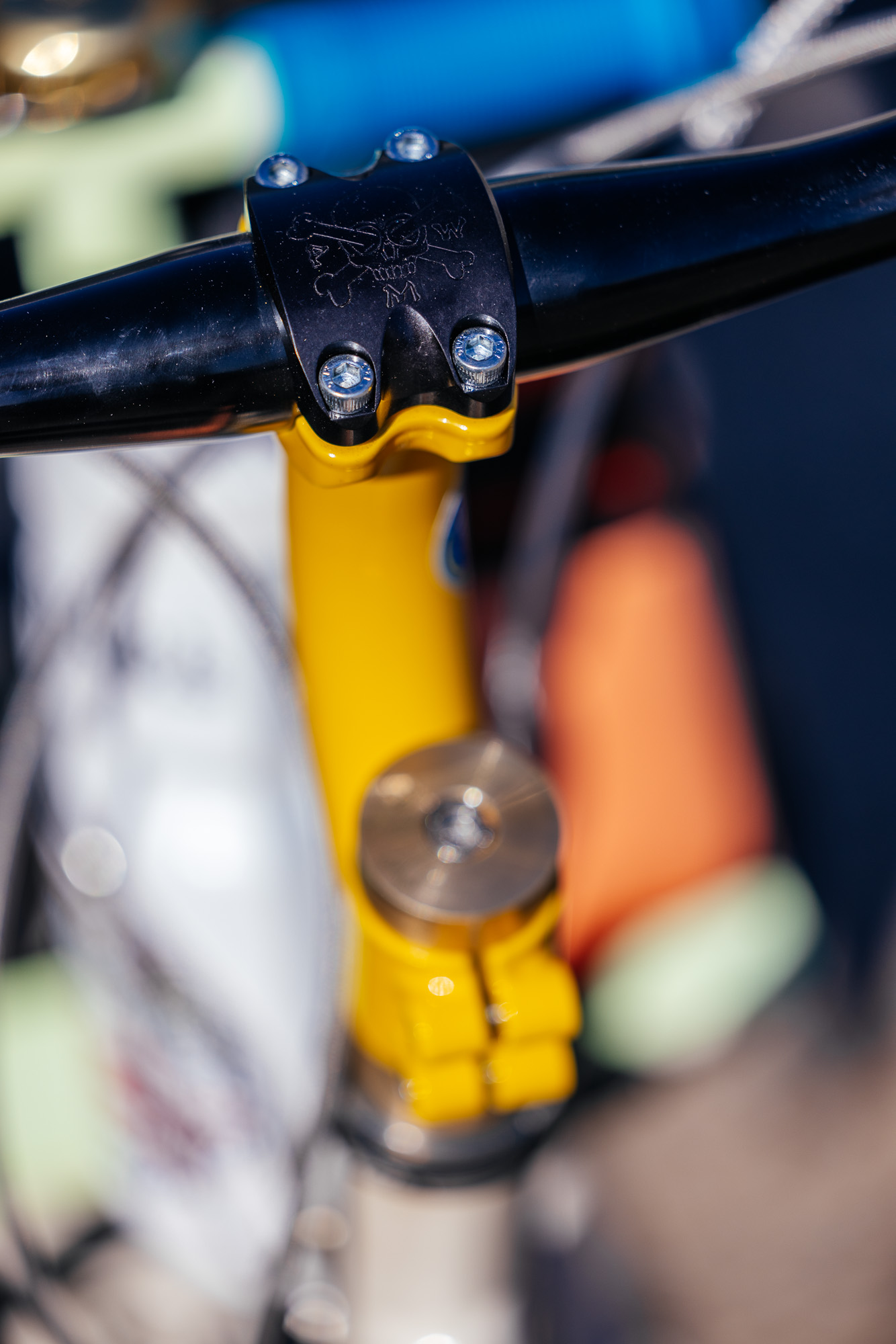
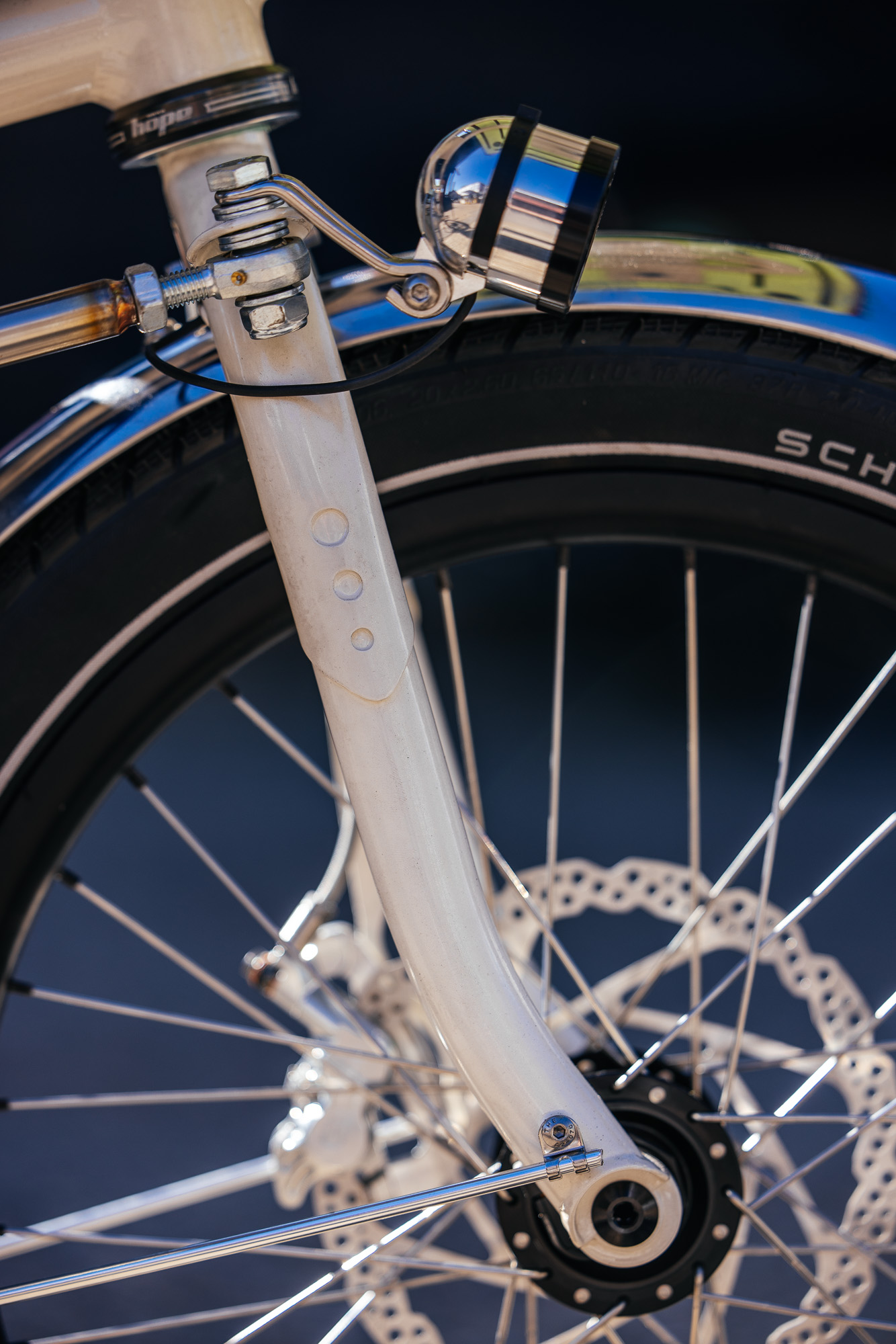
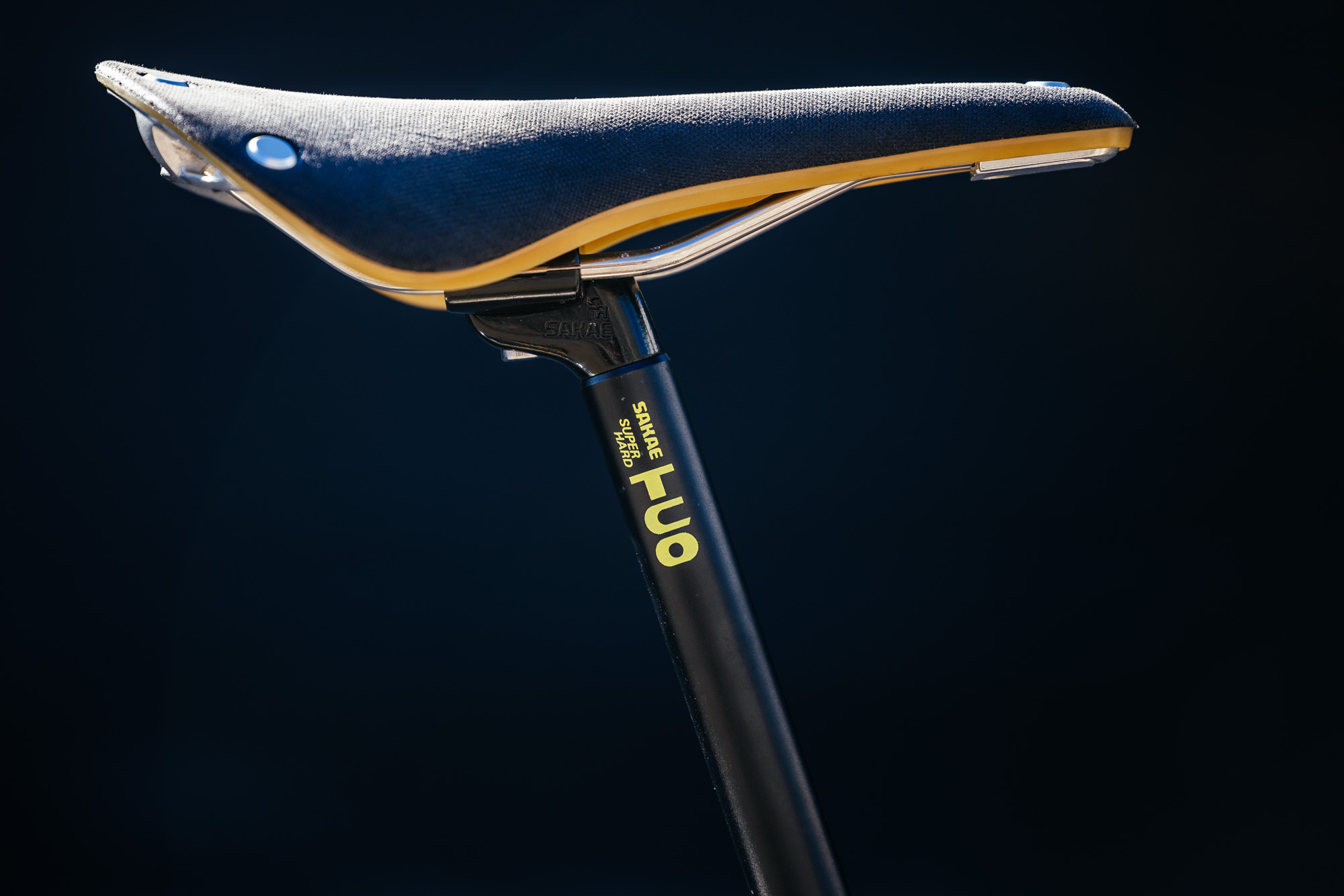
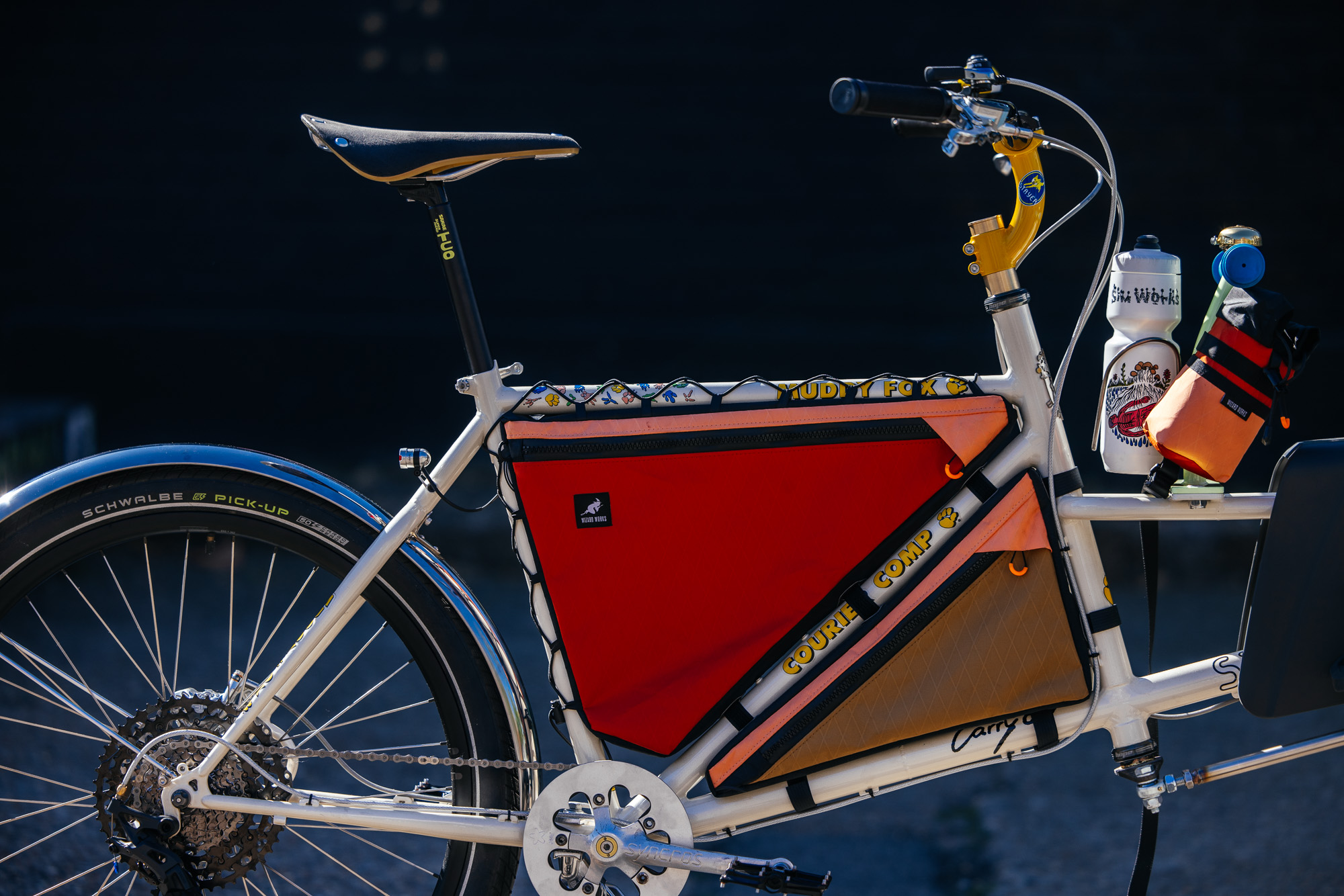
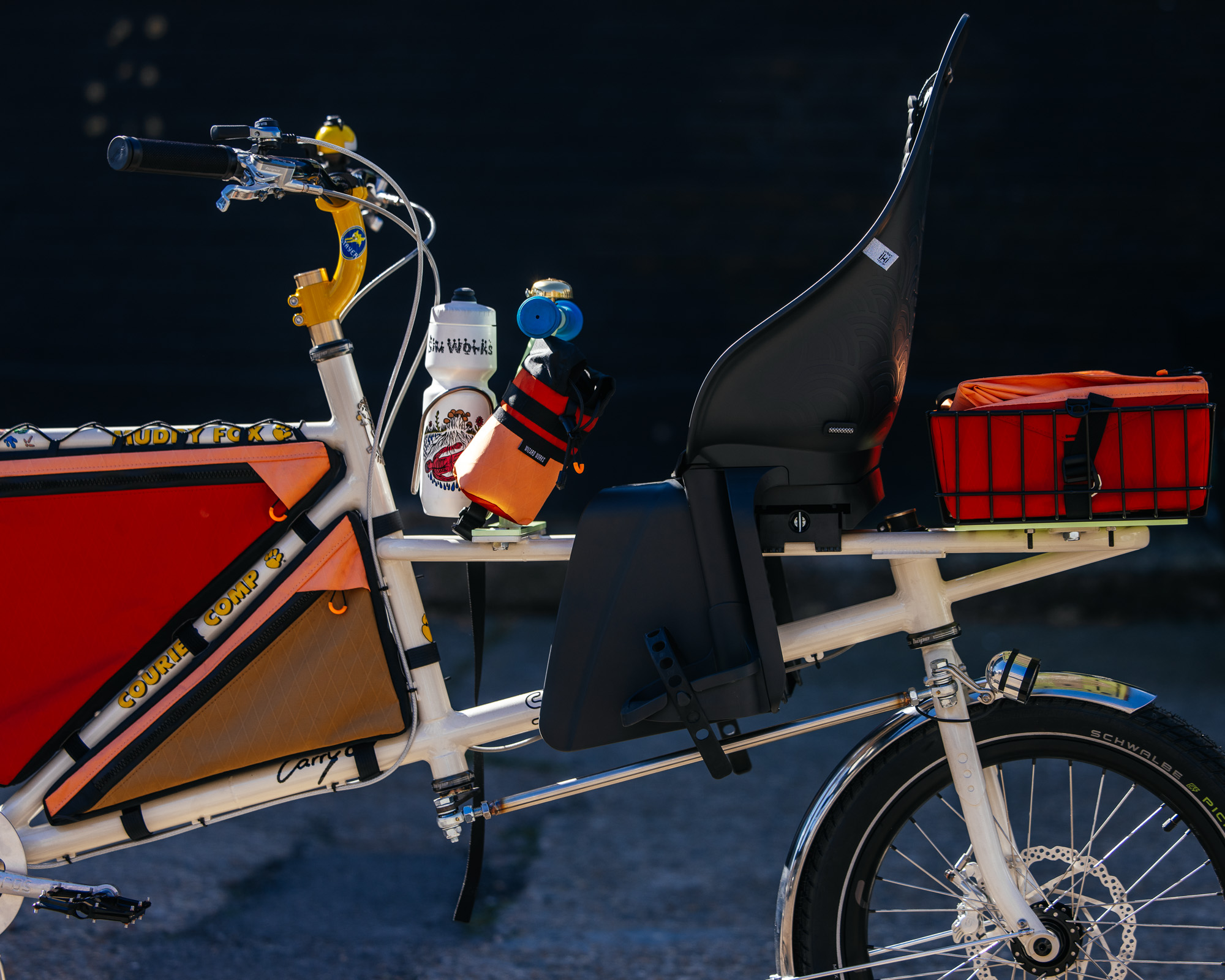
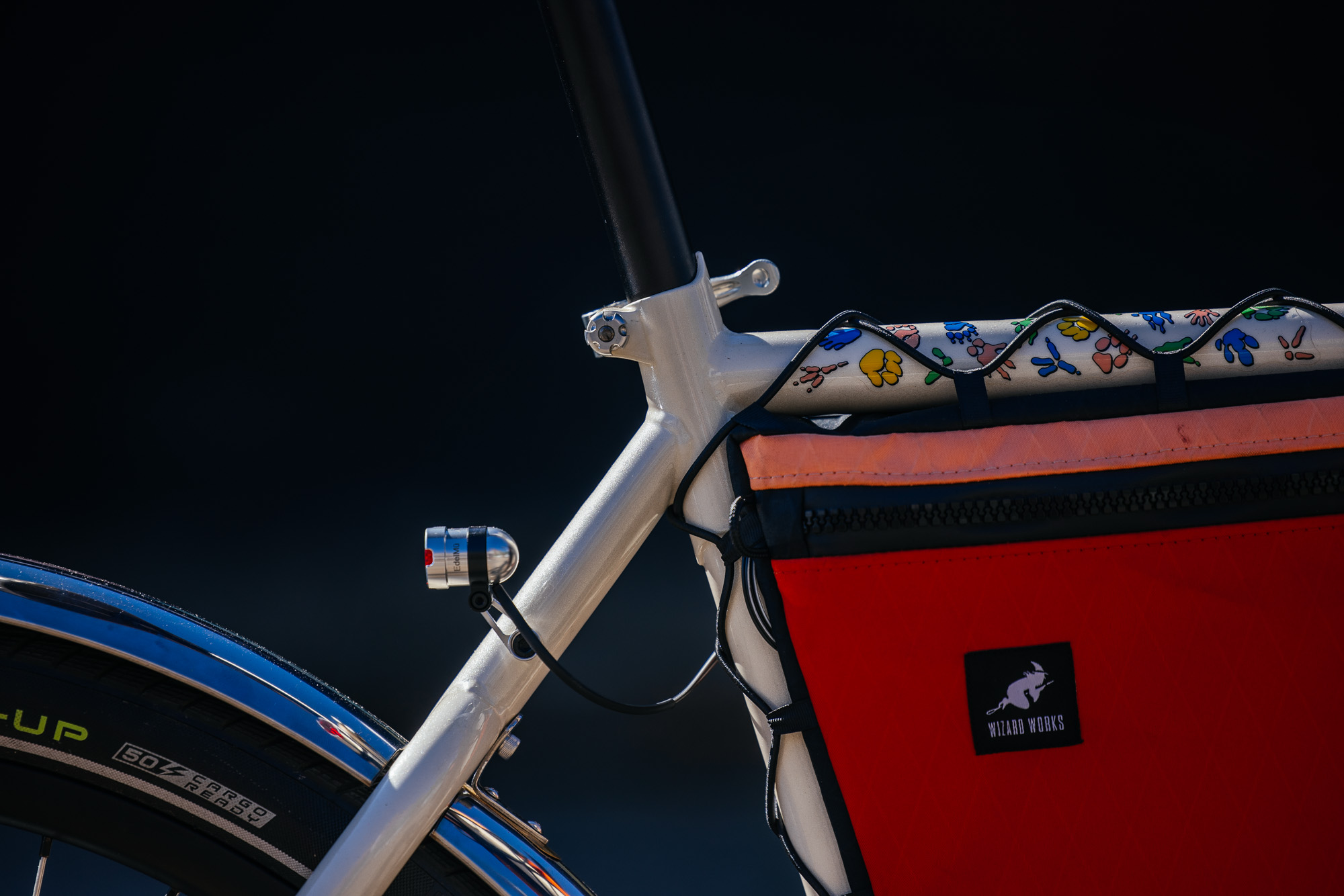
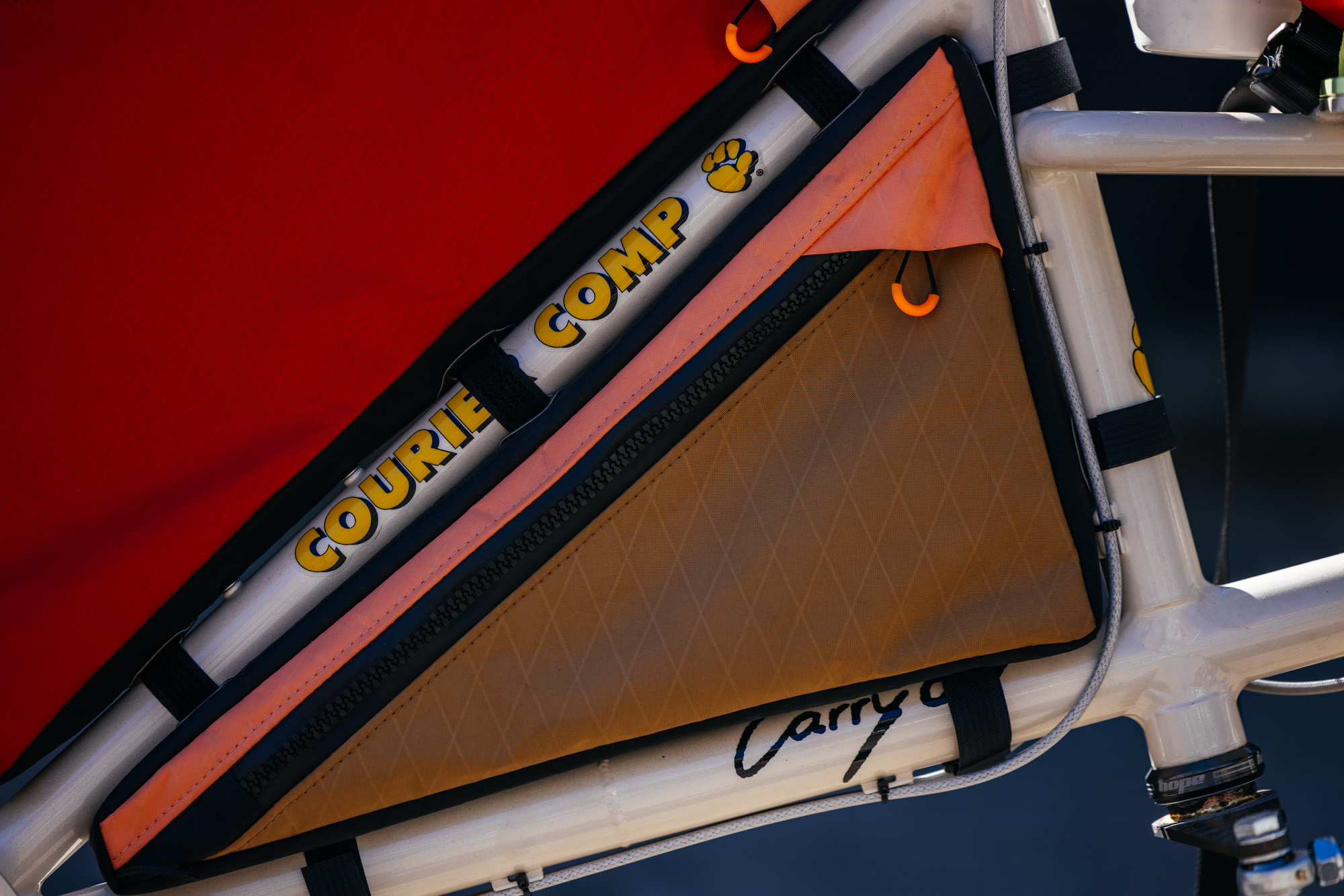
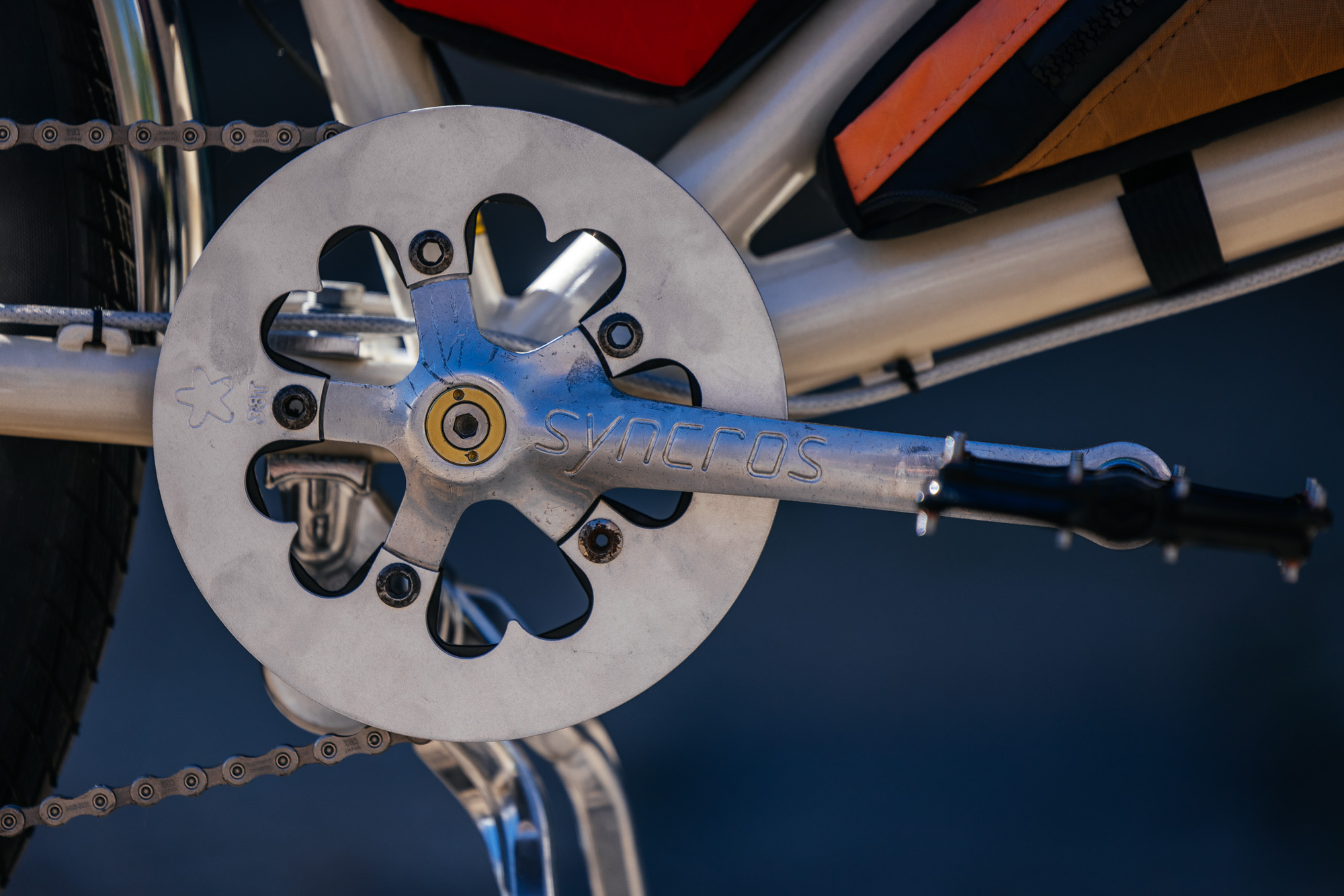
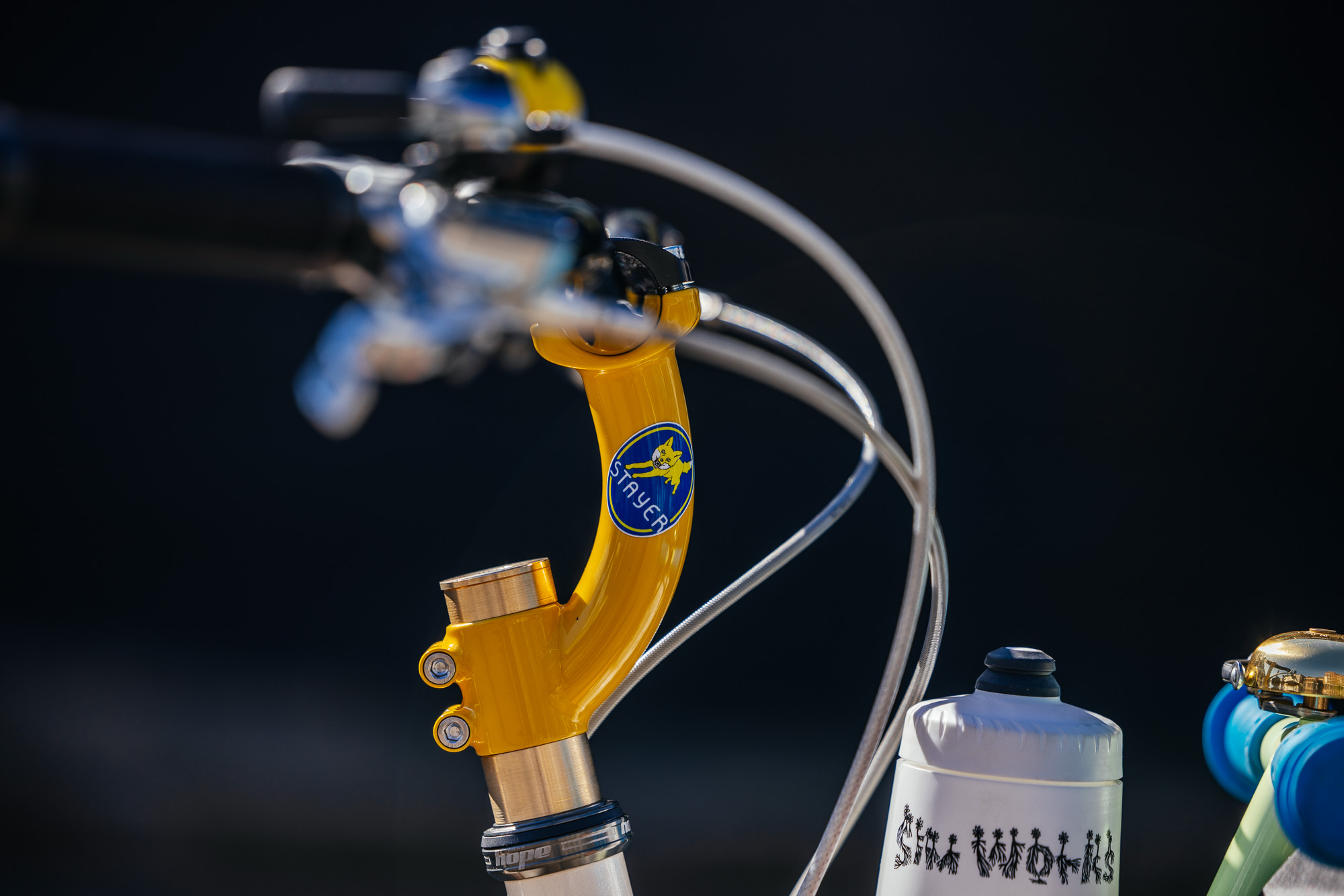
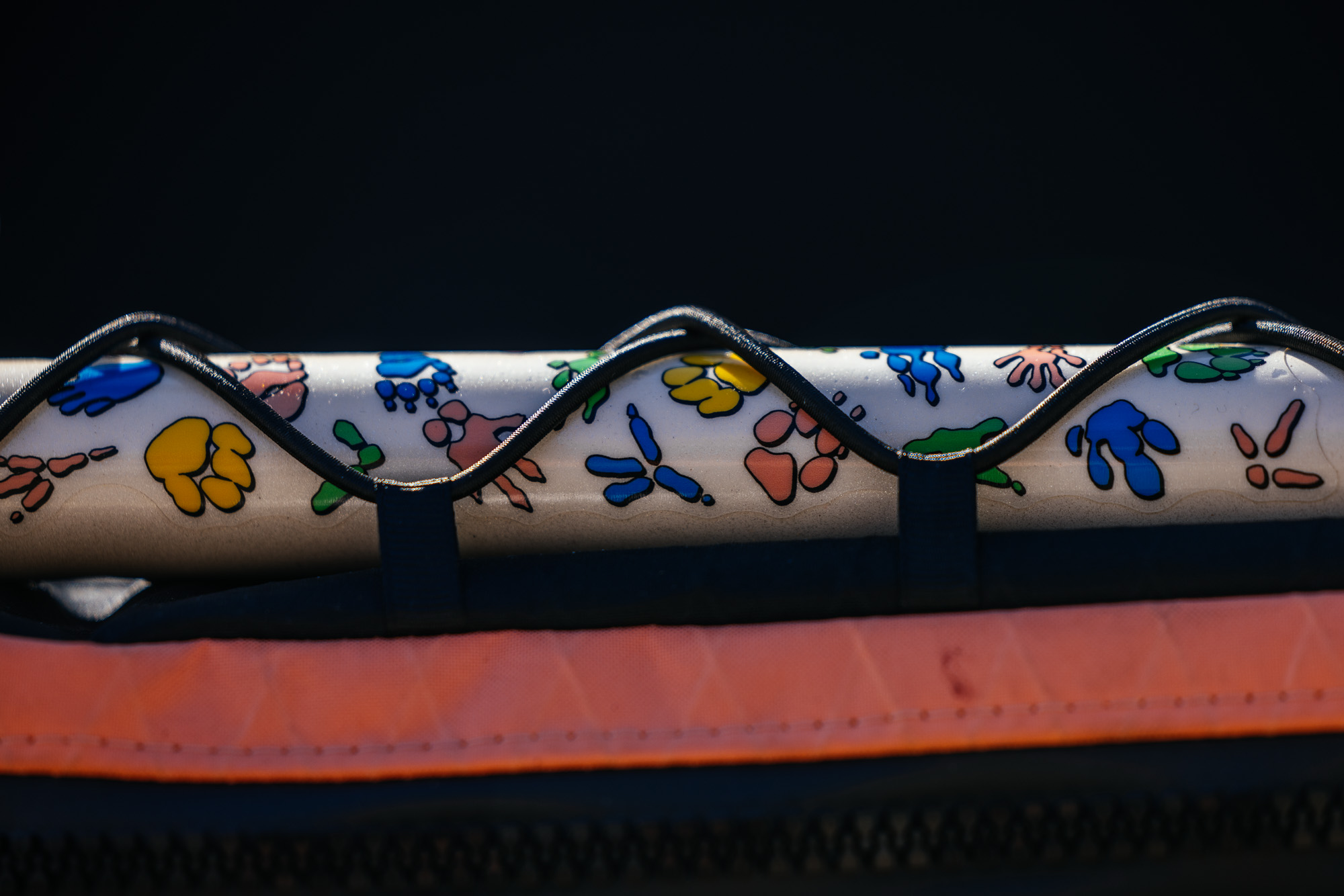
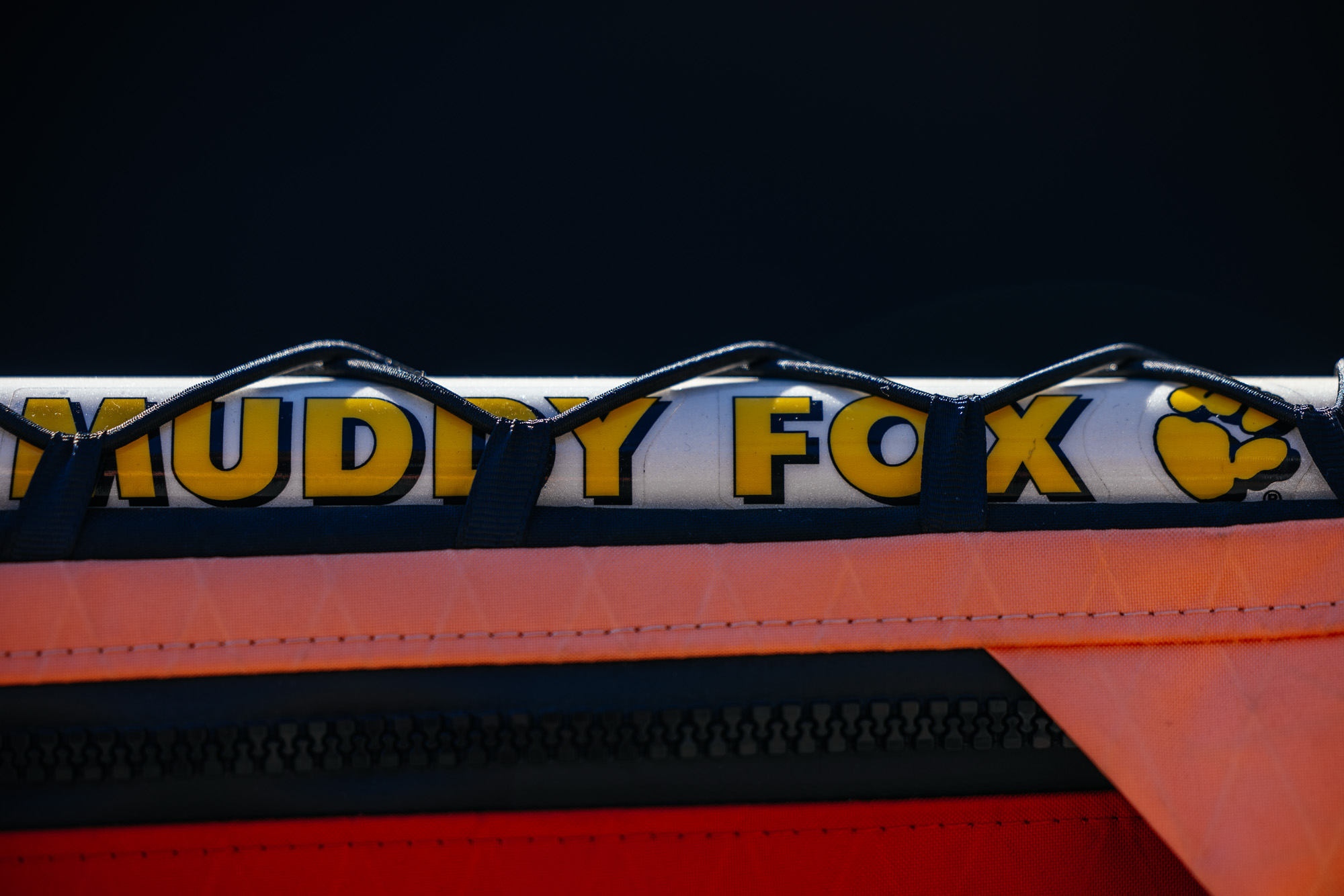
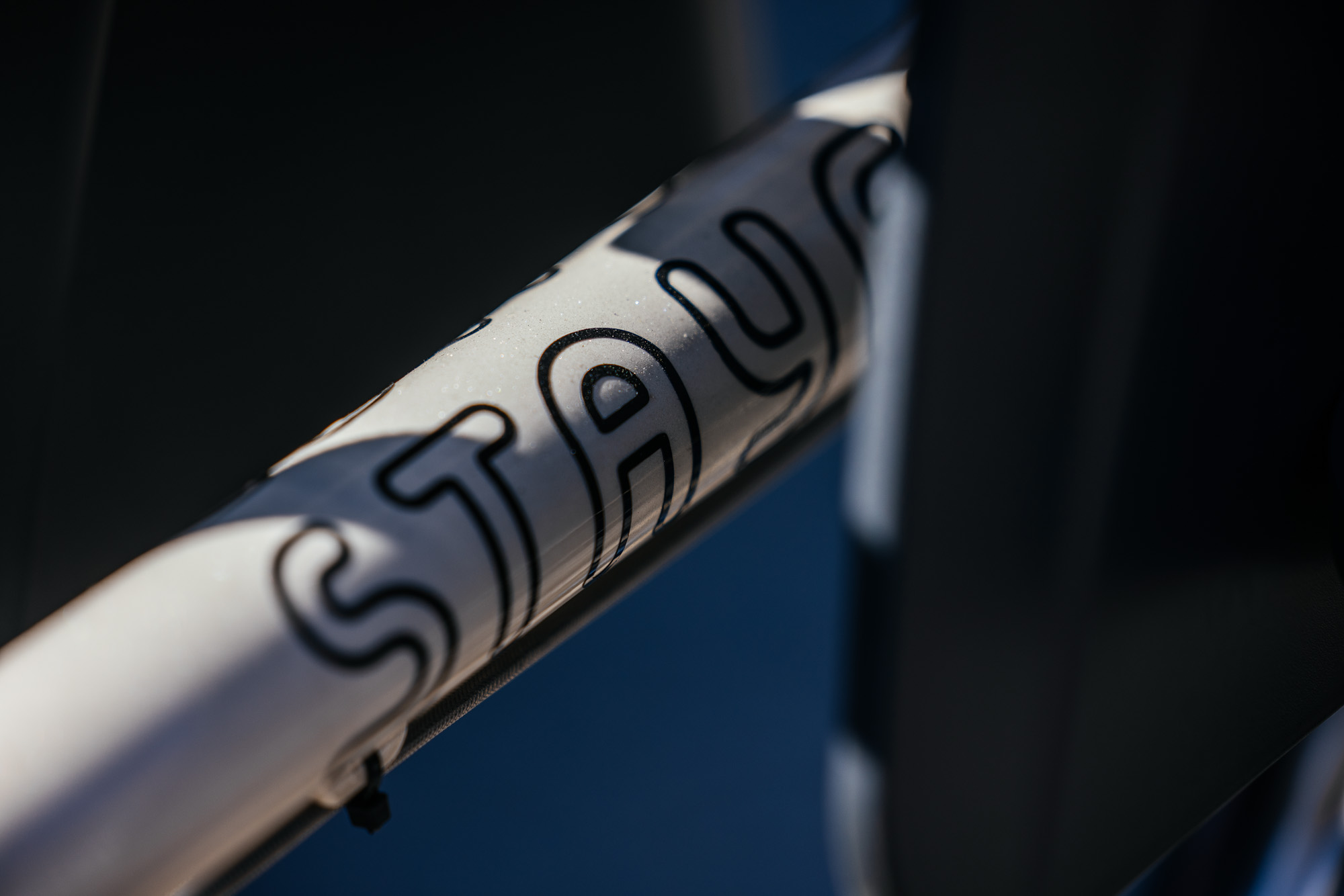
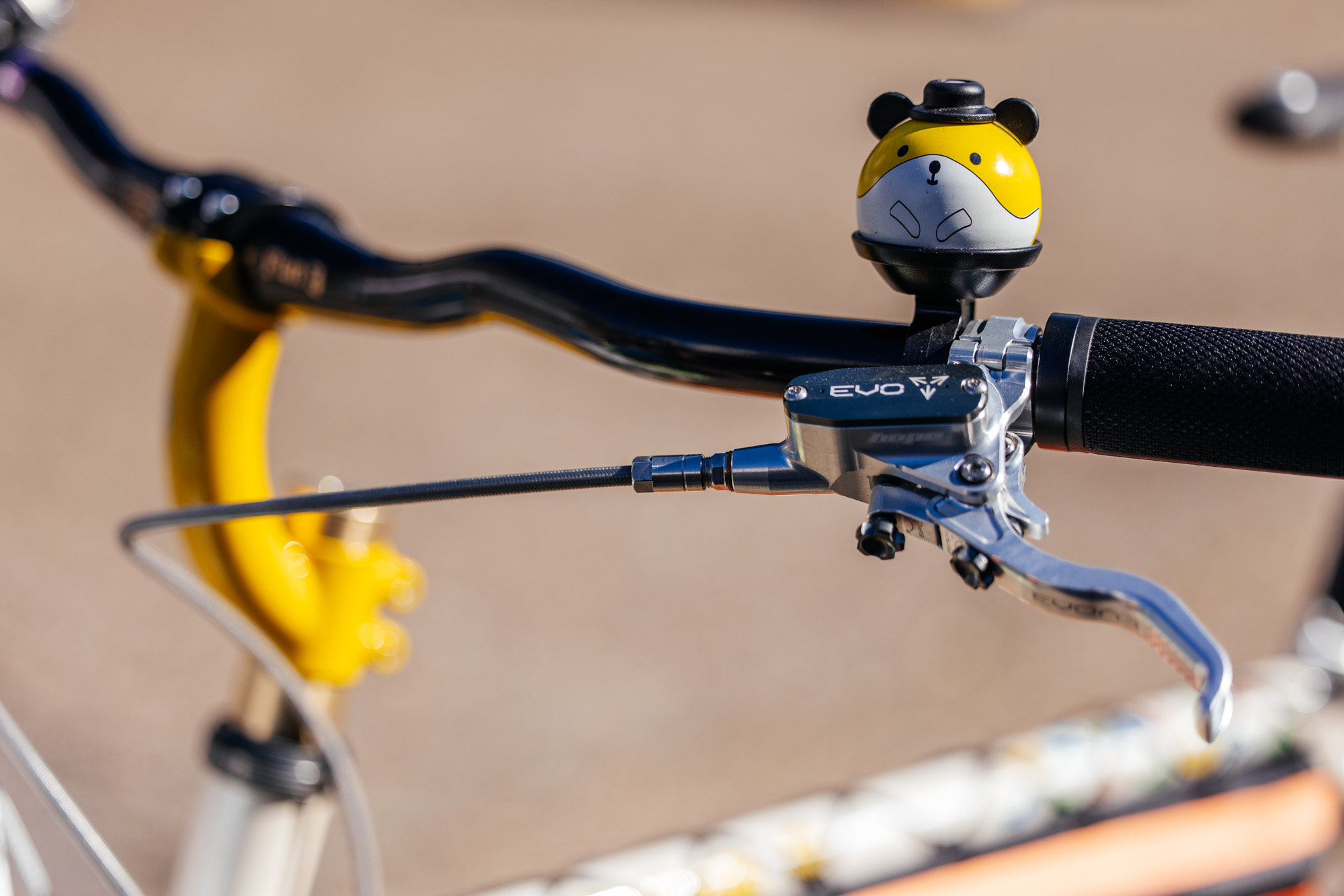
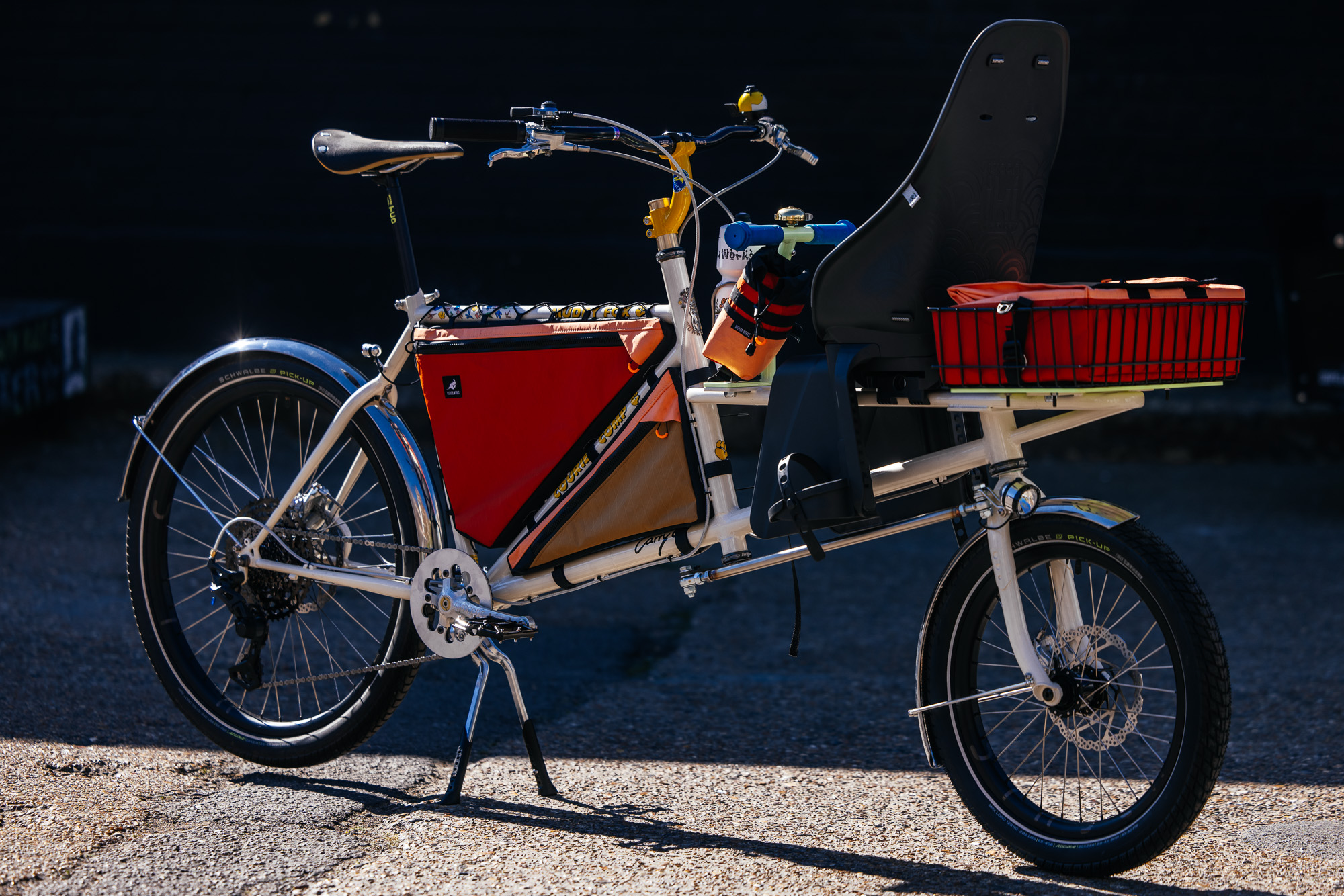
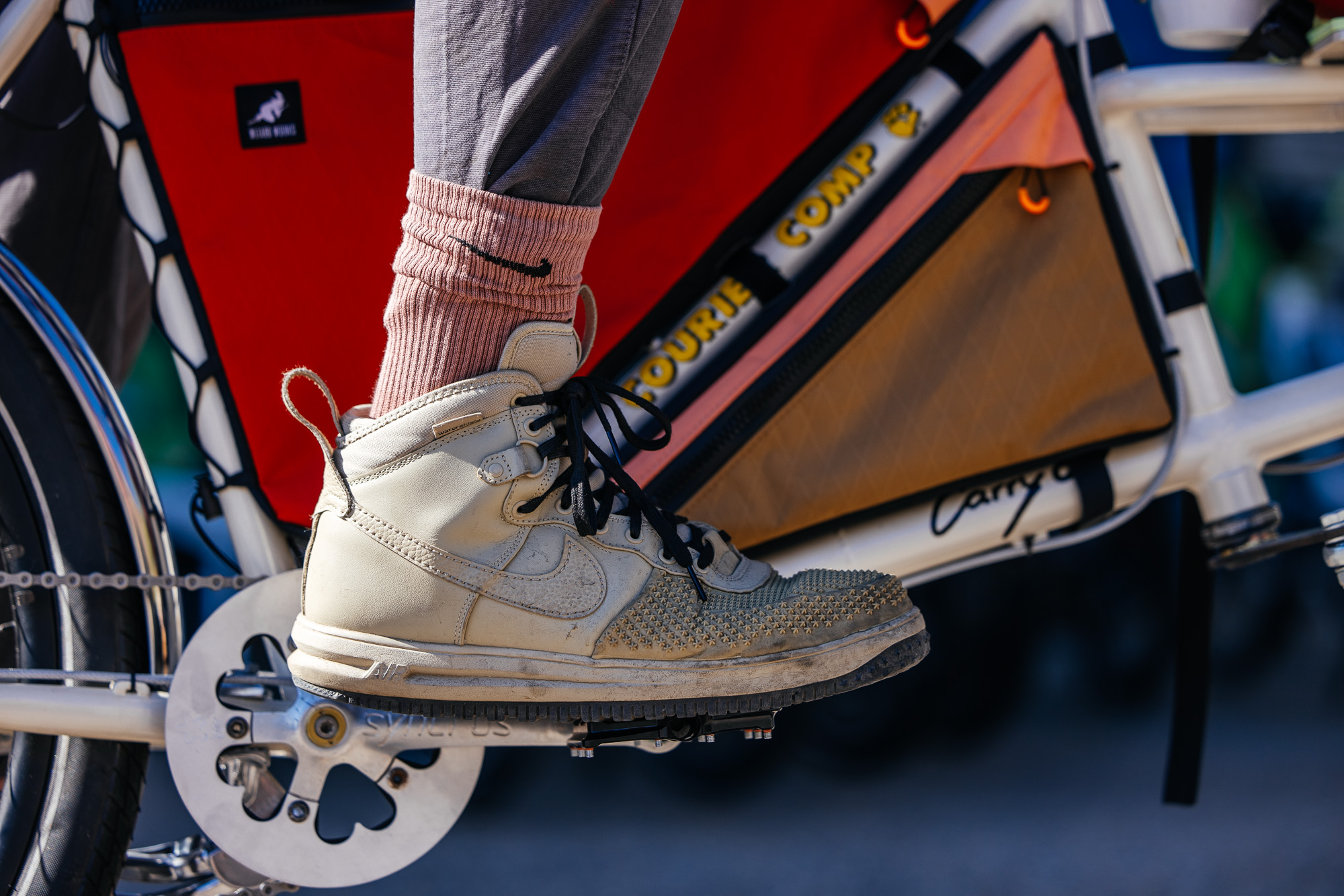
We brought a few bikes to Bespoked this year. Our own projects, one collaboarative with Marlon of BabyLDN community bike shop and our own CarryOn MTB-to-cargo bike conversion project [pictured], but the two that I am most proud of and would like to talk about here are from our Frame Building 101 students Tom and Ellie.
We have been running frame building courses at Stayer for three years now. We run a few courses a year between commercial work and our own production. Ellie and Tom are from the last year’s cohort and both built excellent bikes that they ride and will continue to ride for many, many years to come.
All of our students work with us in the workshop for five days at the end of which they leave with a new fillet brazed frame that they both constructed and fillet brazed themselves. The course can be a bit of a fast track for those looking for an initial leg up into the world of frame building, or a once in a life time experience for those just looking to dip their toes in the water and be frame builders for a week at Stayer. Everyone achieves remarkable things and everyone gets to build their own frame from scratch from the design process, through tube cutting to brazing and finishing.
Ellie and Tom’s bikes are remarkable as they are a testament to what can be achieved in a short time with the right mix of enthusiasm, application and endeavour. I was most proud of them of all our bikes at the show this year and to show their first bikes at Bespoked and to have them hold their own amongst the backdrop of some singular talent is a truly significant achievement. They stand as exemplar of everyone who has built a frame at Stayer on the 101 course and they represent well. Be like Ellie and Tom and build your next frame at Stayer.
- Brooks extends a special thanks to John Watson of the Radavist for the images used in this article.
Frame builder favourites
More Bikes Stories
Medusa Cycles: “Better than working 80 hours a week in a cotton mill.”
On being a badass and honouring your ancestors.
READ MORE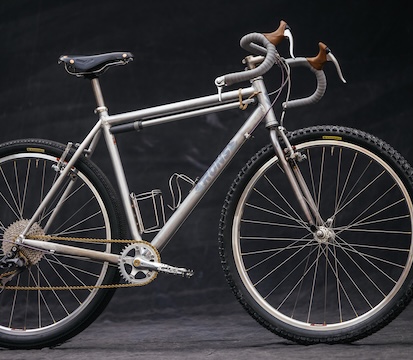
Get 15% off
your first
purchase.
Don’t miss our epic adventures.
Subscribe to our inspirational newsletter.