


Bikes
Medusa Cycles, better than working in a cotton mill.
On being a badass and honouring your ancestors.
Words: Tom Owen | Photos: John Watson
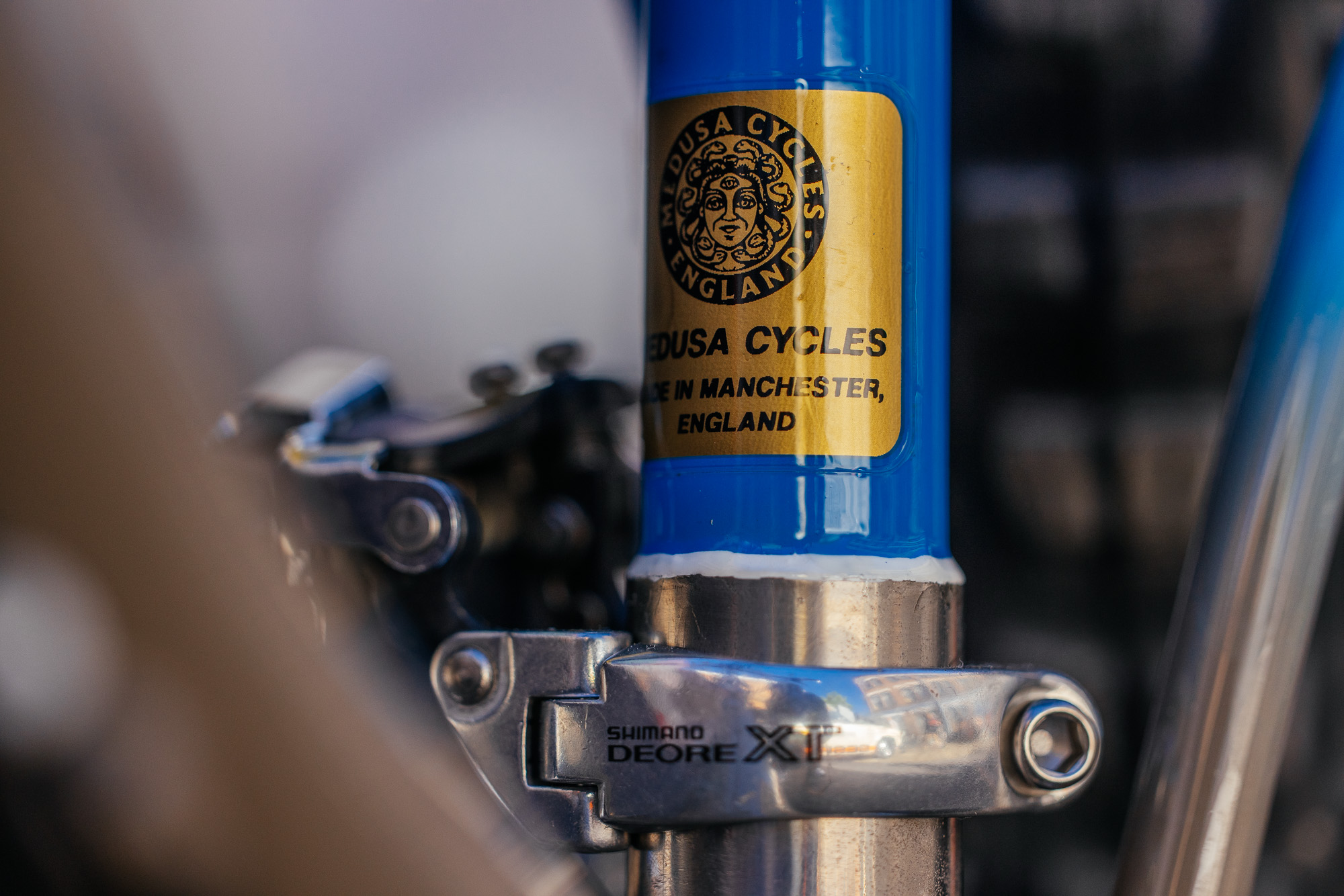
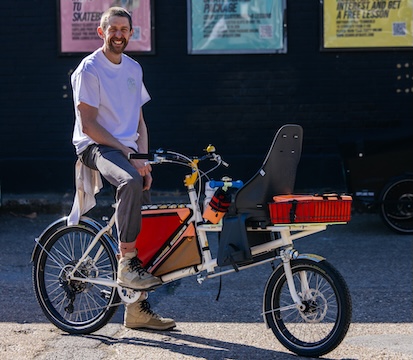
Medusa Cycles is a one-man frame builder from Manchester in England. The founder, Pete Skelton, is – like most who choose this trade – a lifelong cyclist who found their way into the business of making bikes quite naturally.
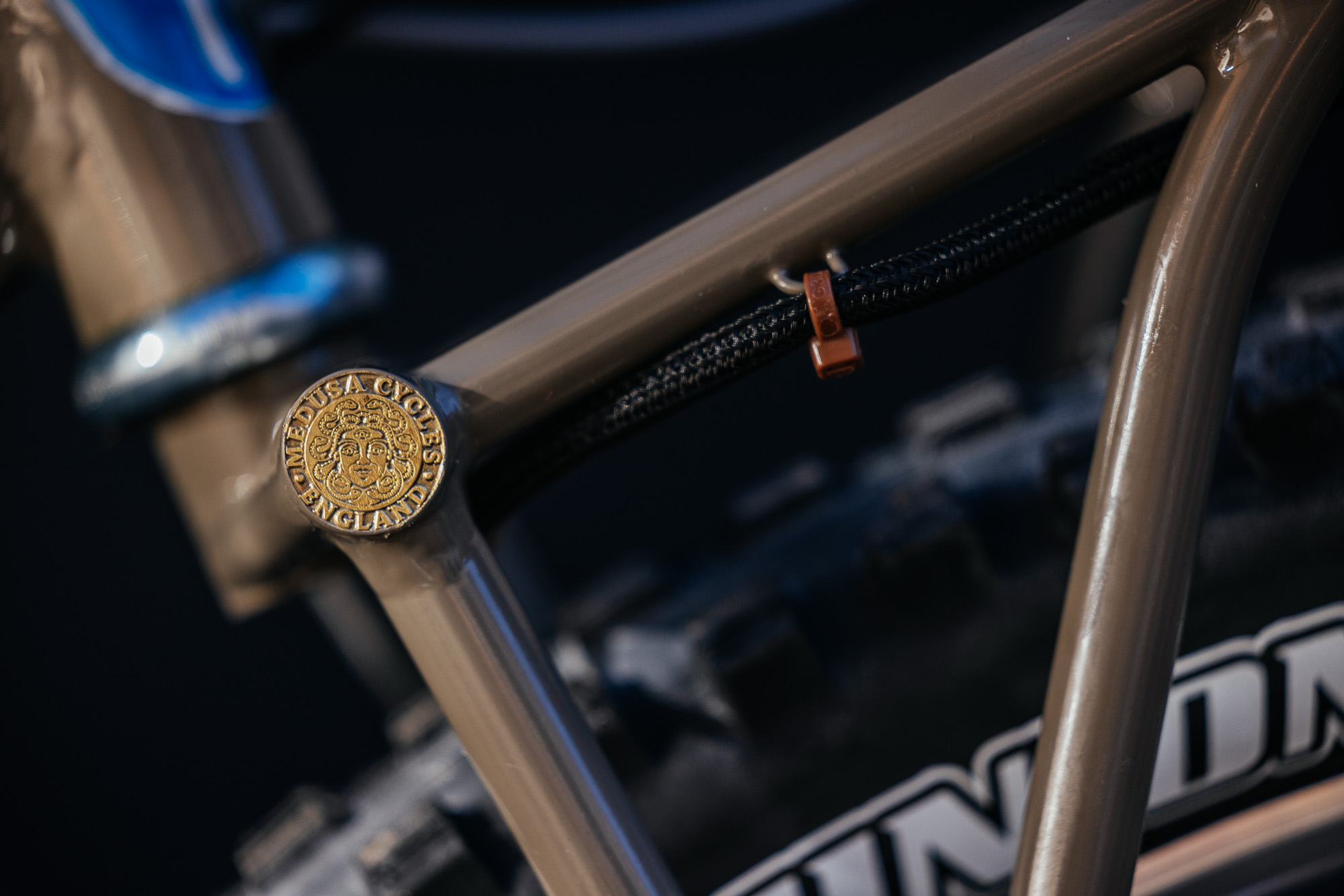
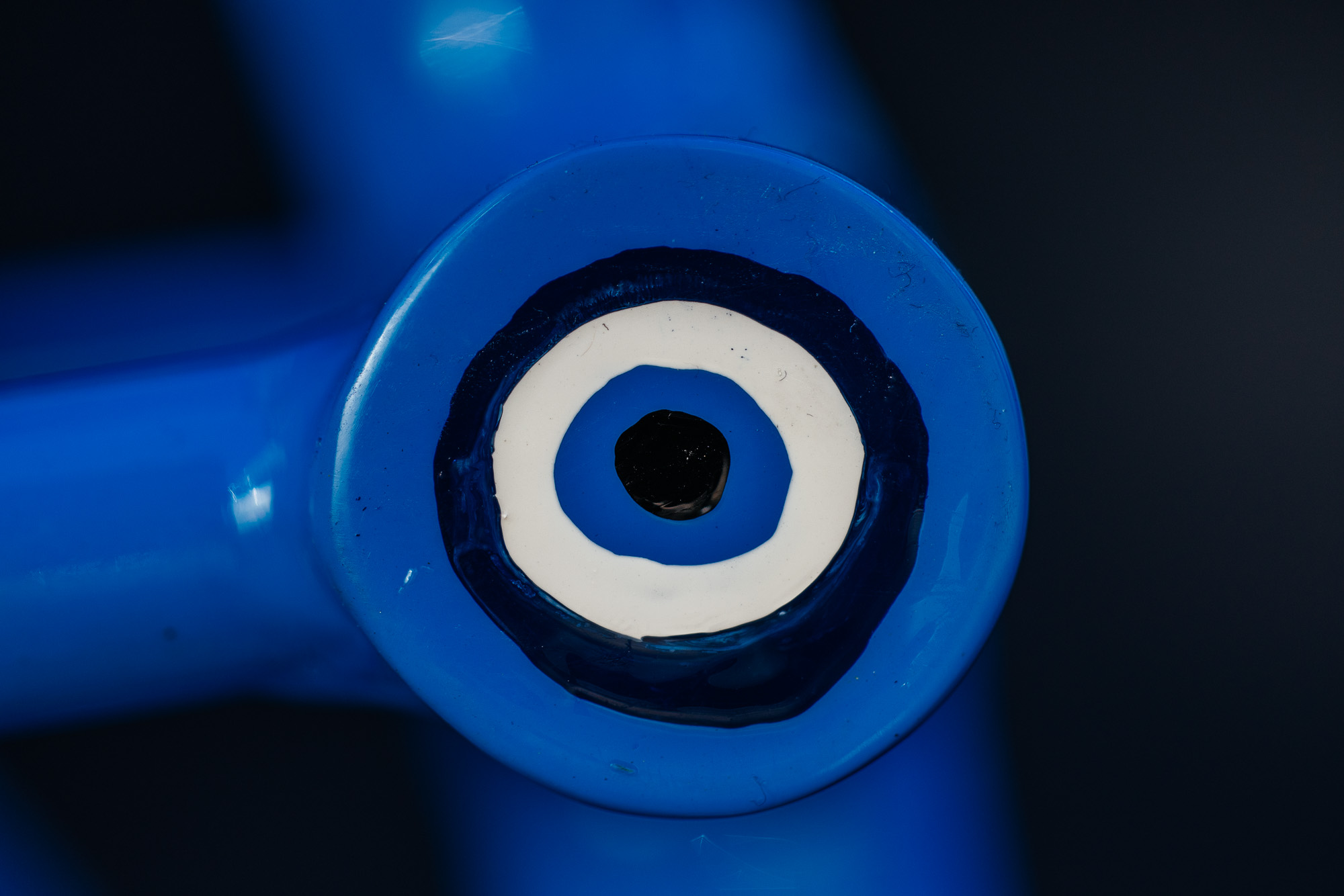
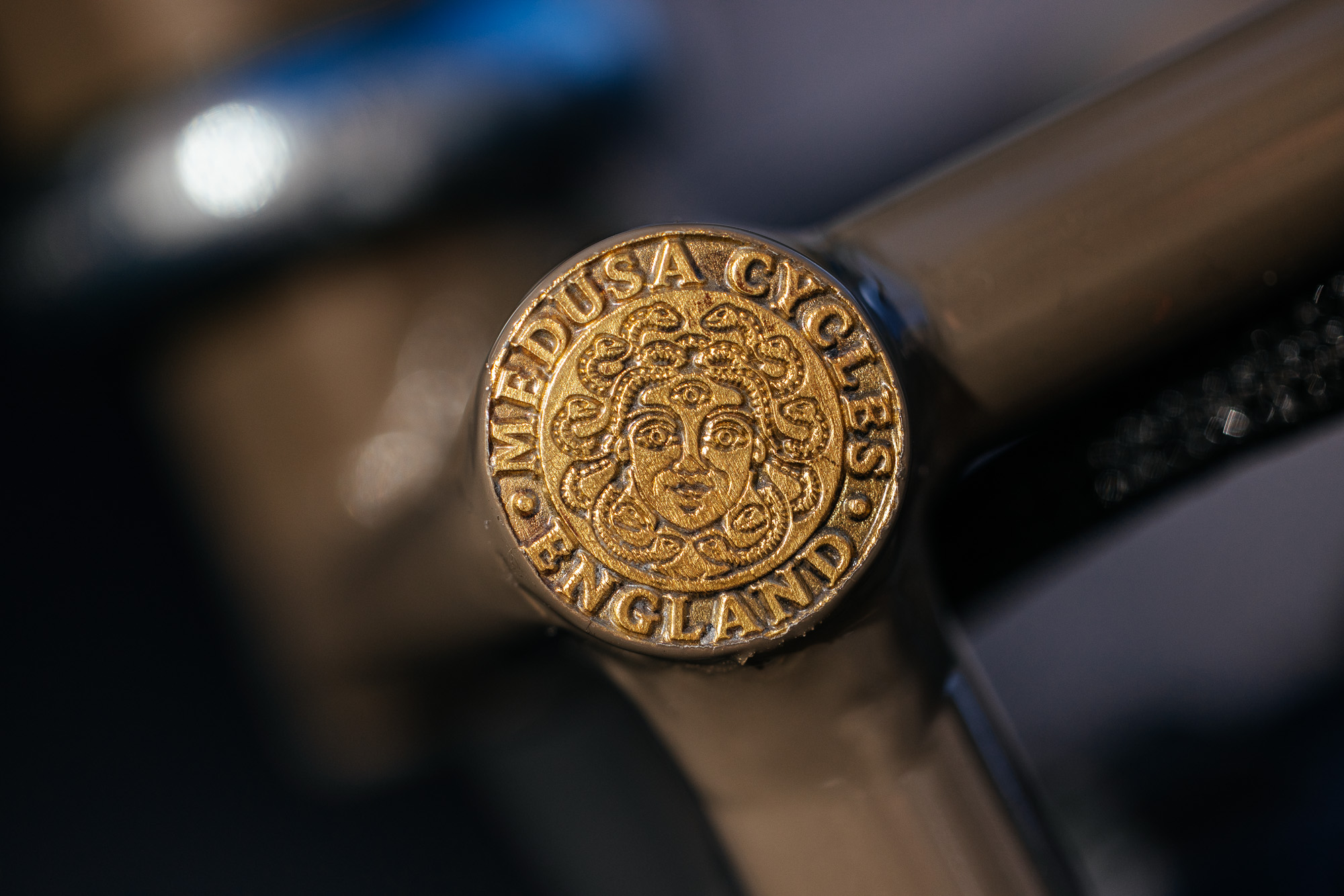
The Medusa name is said to represent the freedom bikes provide (images of the snake-haired figure of Greek myth are used to denote liberty, and were popularly used by French Revolutionaries). Bikes made by Medusa Cycles often also share an unconventional appearance with their classical namesake; Skelton has said in the past that he was inspired to make frames that challenged the received wisdom of what a bike should look like. Skelton also says Medusa was indisputably “a badass” – which seems as good a reason to name your company after her as any.
To dig deeper into the origins, the ethos and why frame building – despite its drawbacks – is still better than working in a cotton mill, Brooks spoke to Skelton just after Bespoked 2026.
What was the Bespoked vibe like this time round?
I found the energy to be slightly different to previous years’ shows, but in a good way! I loved the venue choices of 2024 and 2025, but the location this year had a certain charm to it that resonated with me.
I love Manchester, it’s my home, but I feel like the bike community in London is incredibly vibrant and it really shouts about it. It feels like the hand-built bicycle niche is really appreciated and encouraged, especially from people of a similar age, or younger than me. It gives me hope for the future of the craft.
What brought you to bikes, and how did that turn into frame building?
I’ve been riding bikes for as long as I can remember. They have always been a tool of freedom for me. From being able to jump on the bike and escape life as a kid, to being in my early 20s and realising that you can literally go anywhere on a bike if you’re determined enough.
Naturally, I wound up working in a bike shop as a youngster, but I felt I wanted to discover more about the bike. I had heard about people doing crazy overland trips on the bike, and wanted a piece of that. In my rose-tinted mind’s eye, I thought that if I took off on a trip like that, then maybe I would find whatever my ‘calling’ was in life. I had never studied at university, so perhaps that was what I needed in order to find some direction in life.
I saved hard on a minimum wage job and finally completed my own overland quest to India by bike. I came home with it in my head that I needed to create bicycles somehow. At first, I thought about starting a brand and having them made overseas, but I guessed that in the time it would have taken me to learn how to design and save the money to have them made in a factory, I could instead make a start at learning to braze, and pave the way for making bikes myself.
My dad had built some frames in the 80s whilst working as a mechanic, so he encouraged the idea and explained to me some of the fundamentals. Fast forward about five years and three maxed-out credit cards later, and here I am, trying hard to carve my path.
What’s the first frame you ever built and where is it today?
The first frame I ever built was made out of the tubes from a scrap Peugeot Premier frame. I chopped up the tubes and re-mitred them according to a badly-executed drawing I made. I made my own jig from some cheap aluminium extrusion and brazed it all together in my dad’s small garage. I had to keep the acetylene bottle a secret from my mum, as she would not have been happy to have such a volatile fuel stored in the cluttered garage.
The end result was a disaster. Either my drawing or tube measurements were wrong because the ends of the cranks were almost touching the floor. But, onwards and upwards, and I saw no reason to give up. The frame still lives at my mum and dad’s; maybe one day l’ll remedy it!
When you’re designing a frame, are you thinking as an engineer, designer or artist?
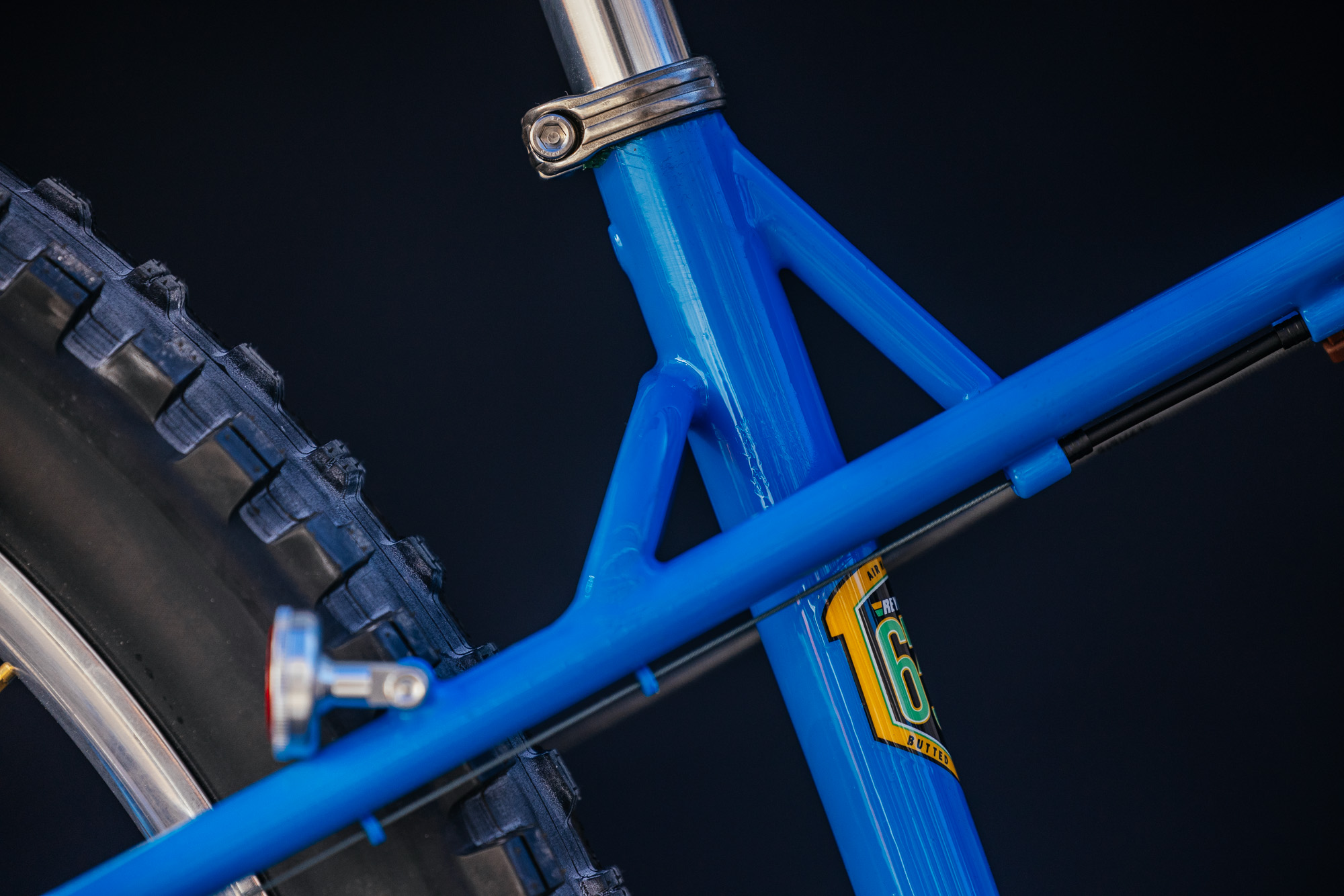
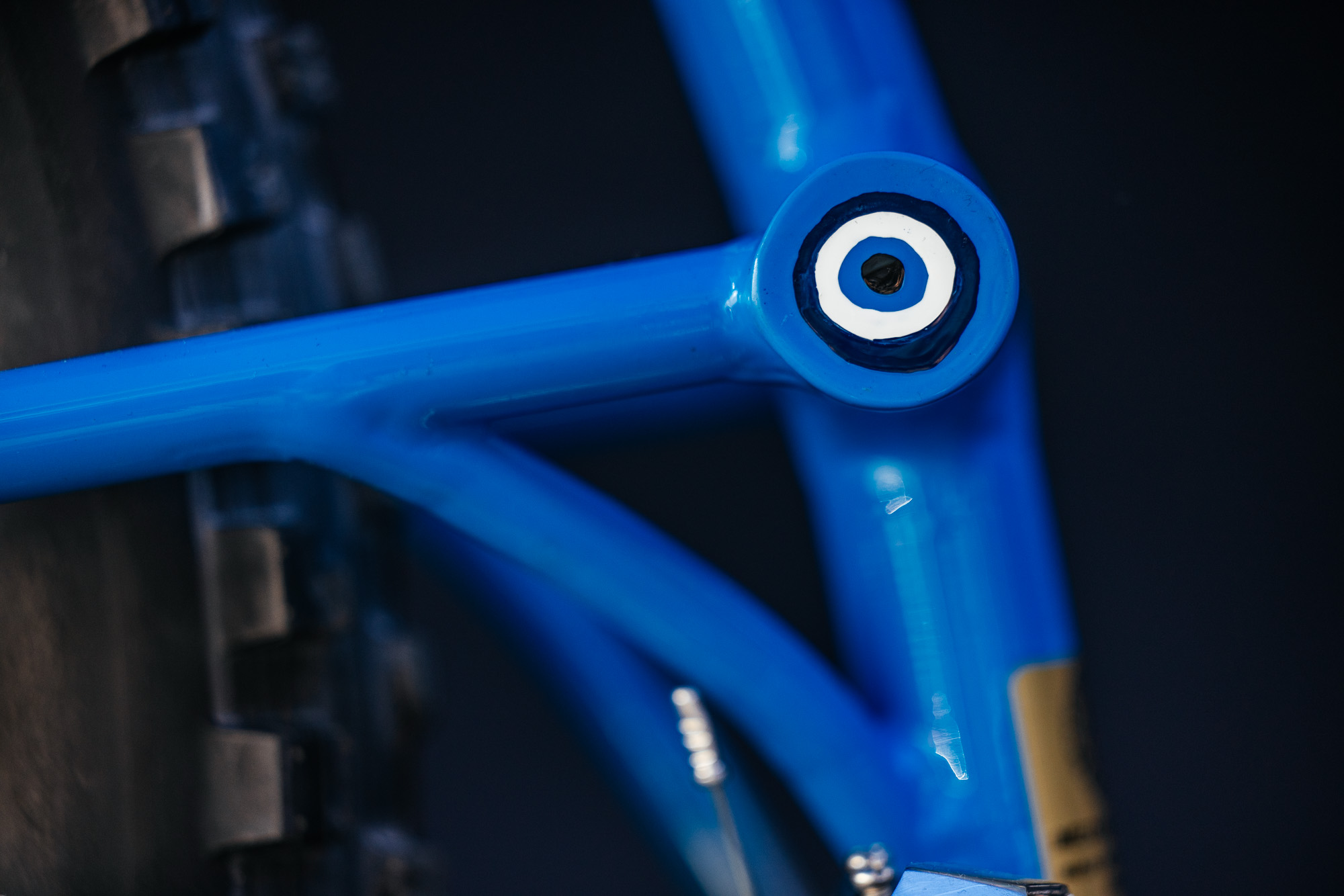
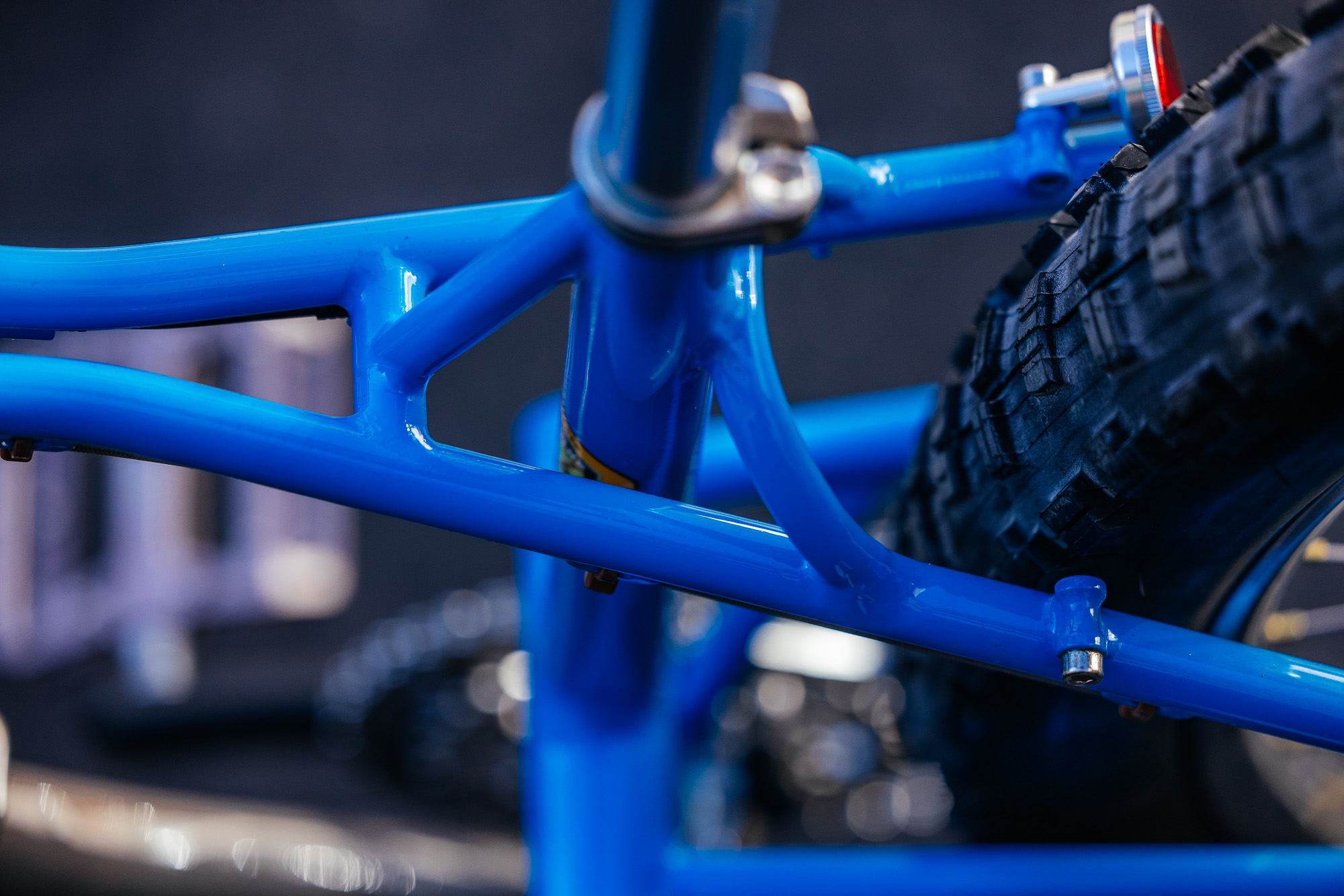
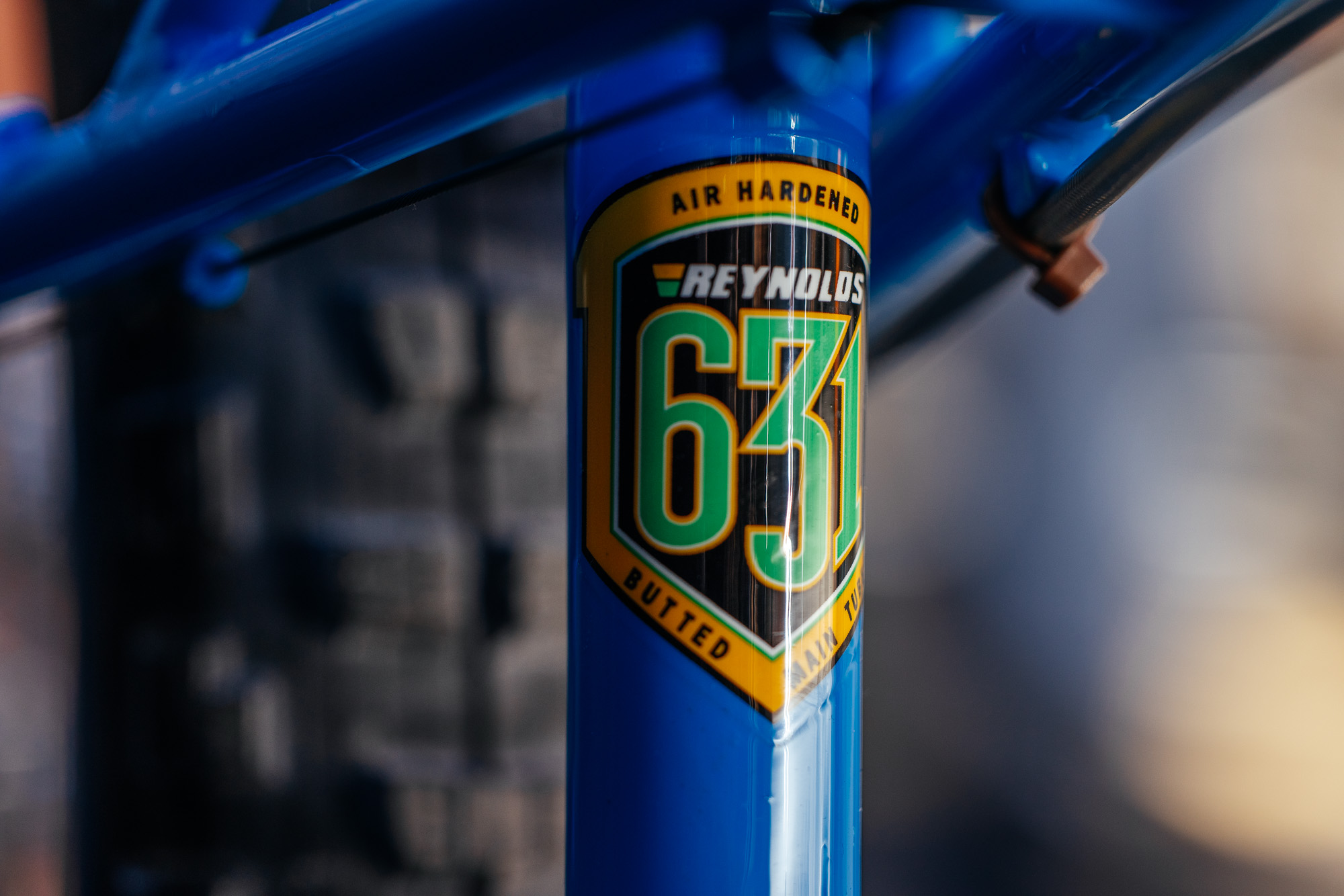
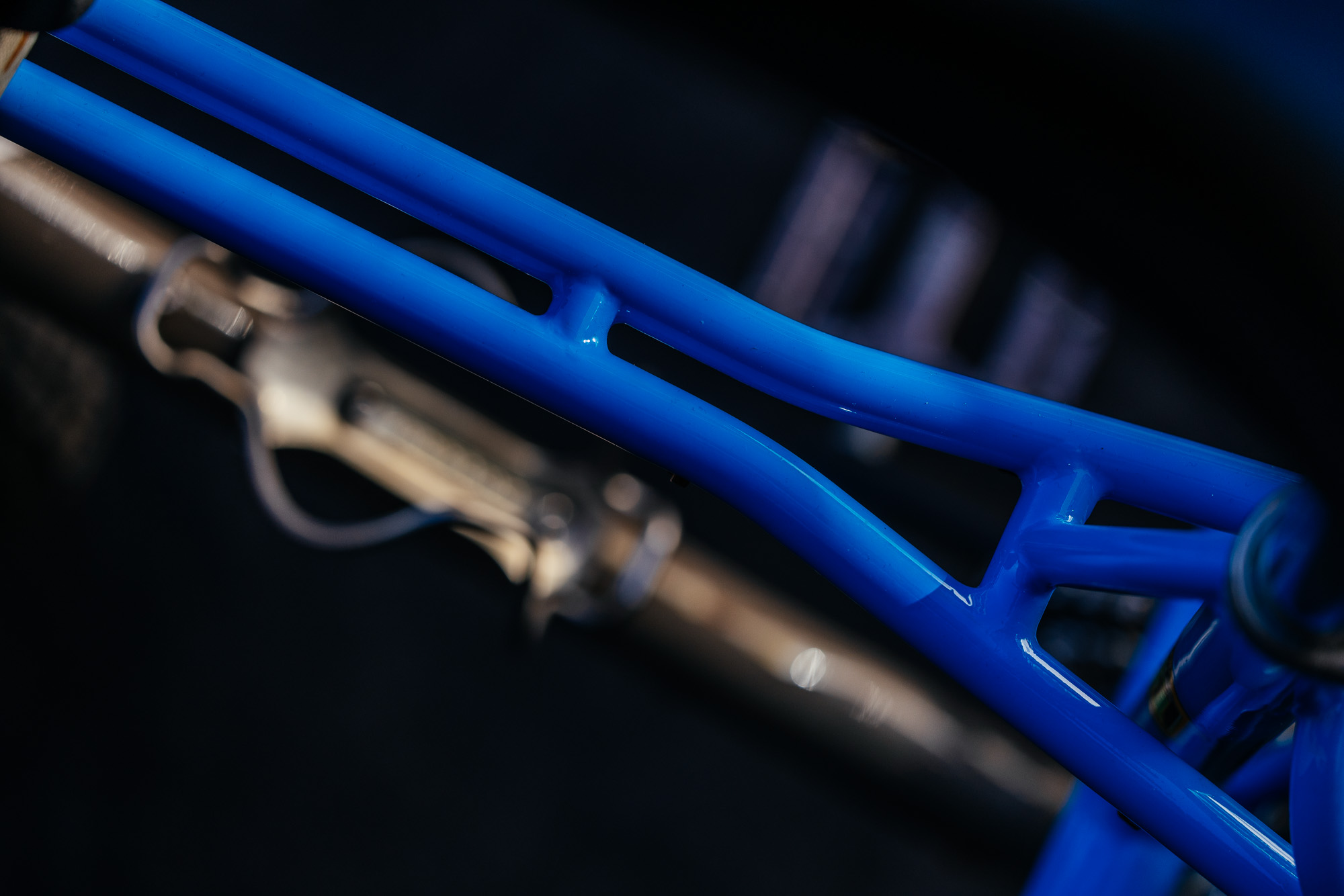
There is definitely a bit of all three going on in my frame designs. Every feature I include has some sort of reasoning behind it, but if a feature gives an artistic look, then that’s a bonus. Because I work mainly with silver solder and brass, I feel like I have more scope to join tubes how I want – the lower temperatures involved are kinder to the tubes and lend themselves well to bilaminate construction. This gives me a good platform to mitre tubes together in interesting ways, giving a sculptural result.
Knowing some fundamentals in metallurgy influences my design choices, but a bit of OCD also plays its part; I always like to join a slimmer tube to a wider tube, and if I can find a way to avoid joining two tubes together of the same or similar size, I will do. At the end of the day, the bike is a beautifully simple machine, and it lends itself well to creativity, so why not do something a bit different if you have the tools?
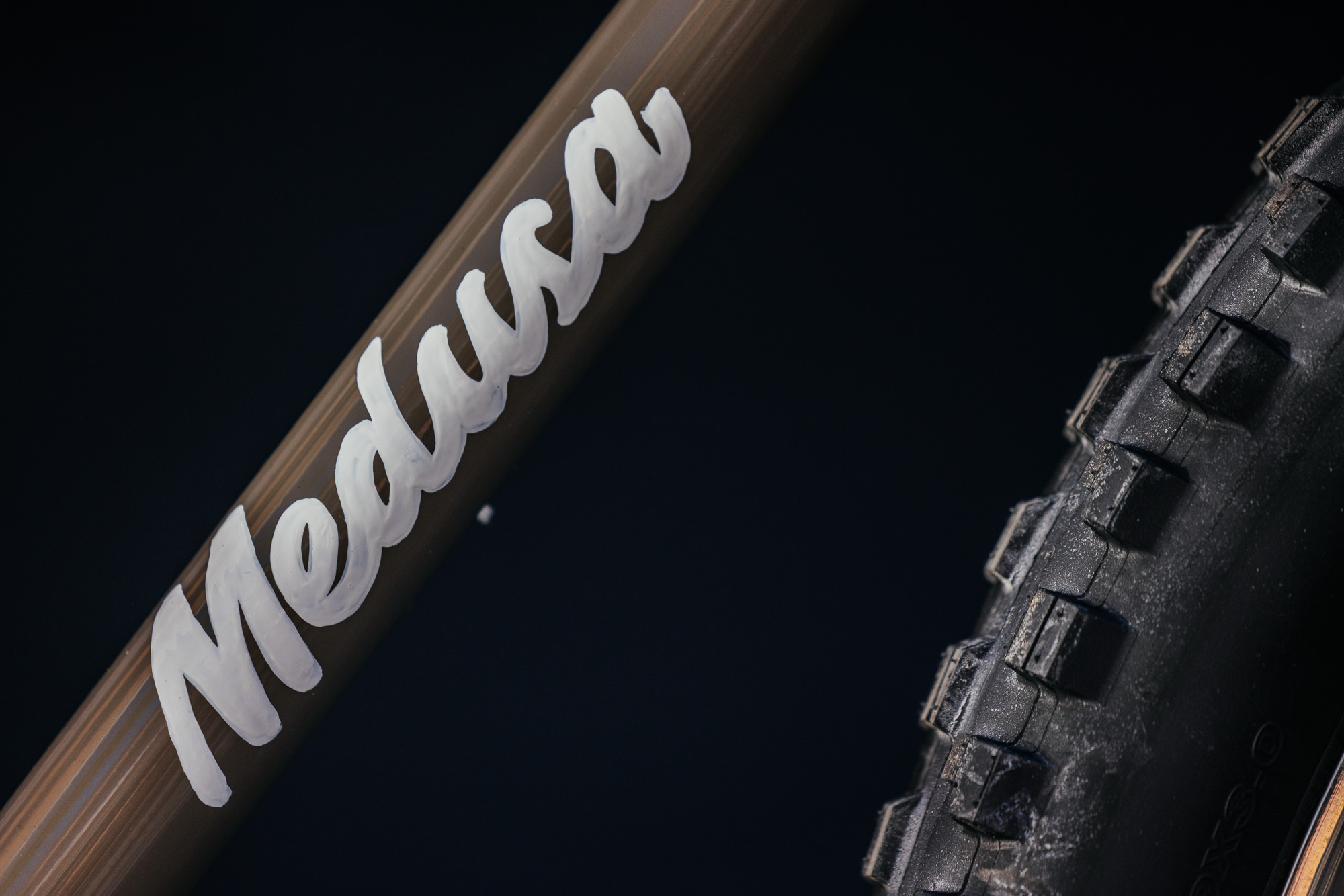
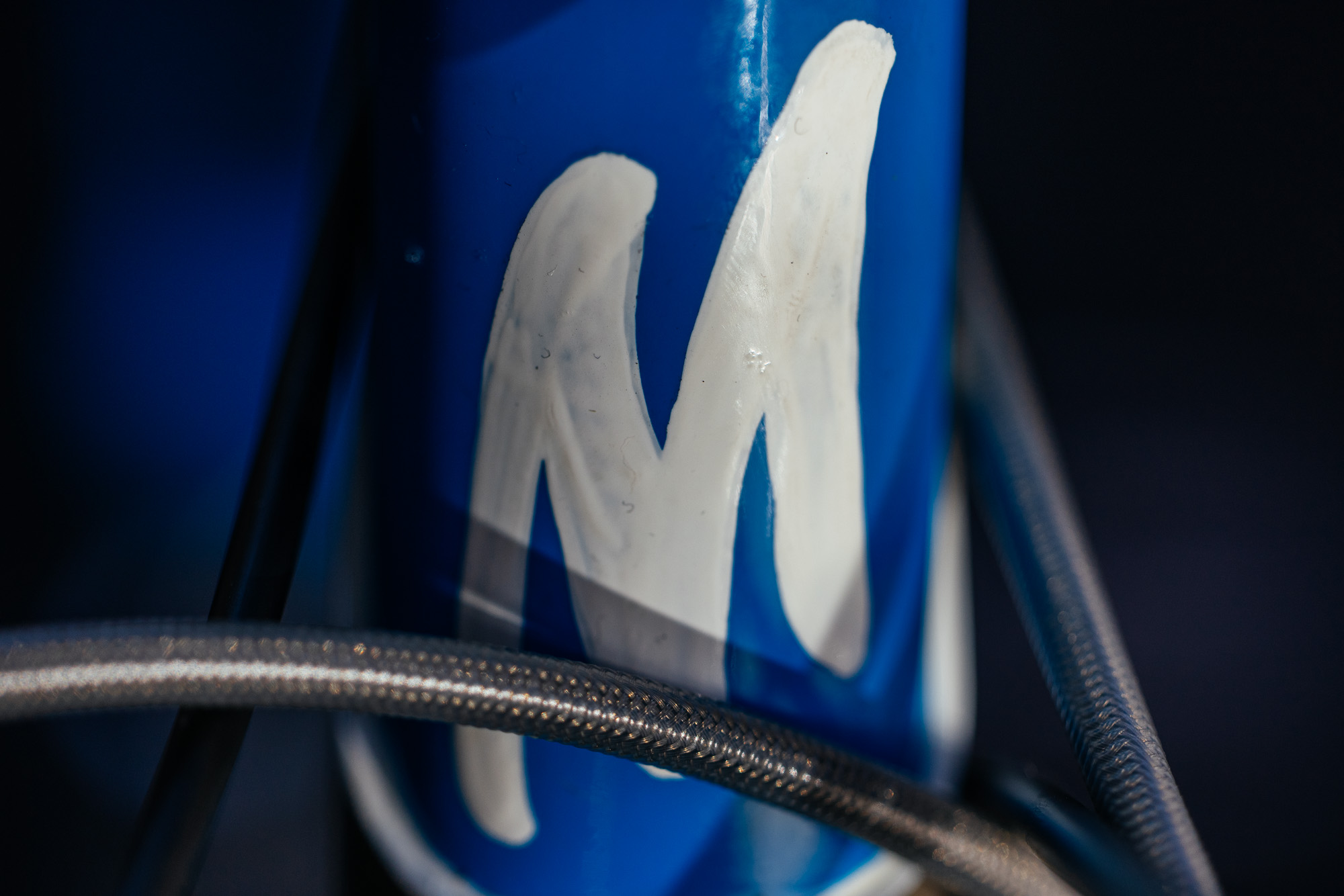
The painting side of building a bike frame is an area that I feel is predominantly driven by the artistic part of my brain. I worked briefly as a traditional coach painter’s apprentice, where I learned how to use the brush, for both the base colour and the lettering. At the time I was working on old steam locomotives, the work was hard and the hours were long, but I definitely feel like it planted a seed and it definitely influenced how I finish my bike frames. I suppose it gives quite a particular, traditional look that suits the style of the frames I make.
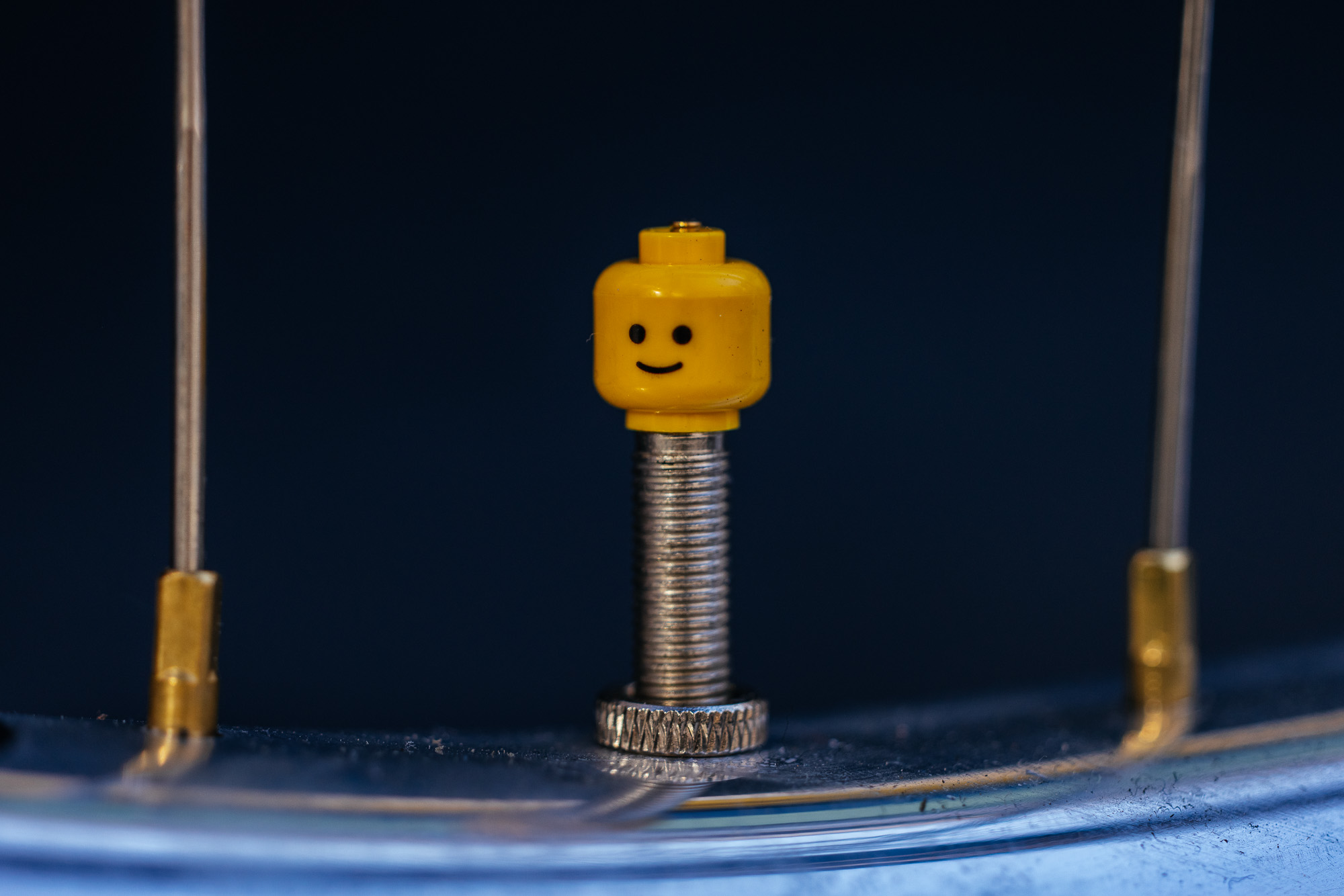
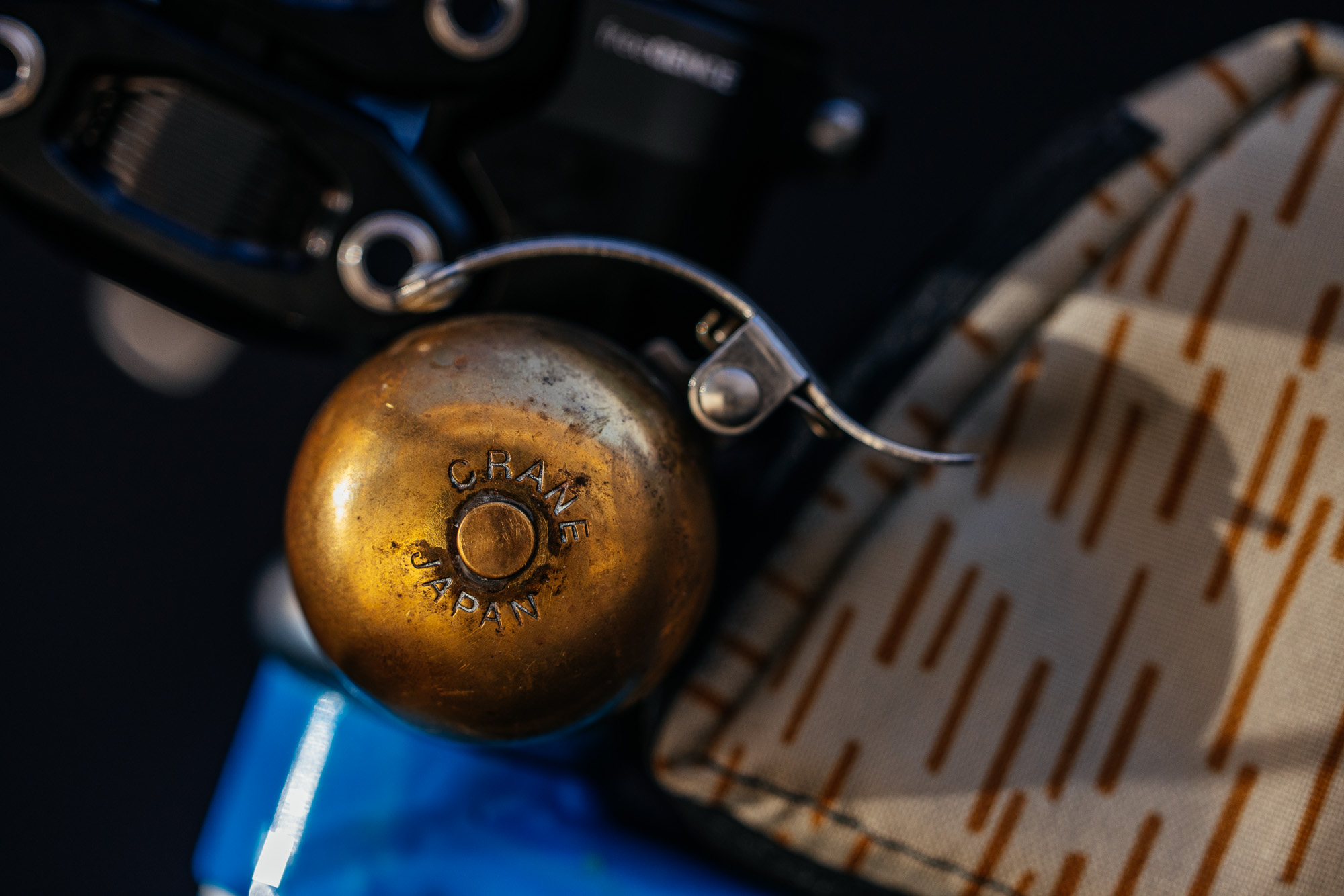
What’s a moment you nearly gave up on a project?
So far, I have always managed to keep faith through all my projects, no matter how many things have gone wrong. But, there have been many times I have said to myself, ‘this will be my last frame’.
I love building bikes, but sometimes there are sacrifices that need to be made to pursue a fledgling business. I still work full-time in my day job as a bike mechanic and have also spent time working a second job on top of that, in order to keep afloat. Sometimes I sit down after a 75 hour week and wonder what it is for. The reality of working oneself into mental illness and remaining drowned in debt is often impossible to stomach. But after snapping out of it, and remembering all the positive feedback I have received from customers and admirers, I find the energy to put my head back on.
A bit of pride helps too, and as someone from a working class background, I almost feel obliged not to give up to do my ancestors justice. This has got to be better than working 80 hours a week in a cotton mill!
What qualities make a good frame builder?
Determination and attention to detail!
Finally, tell us about one of the bikes you brought to Bespoked.
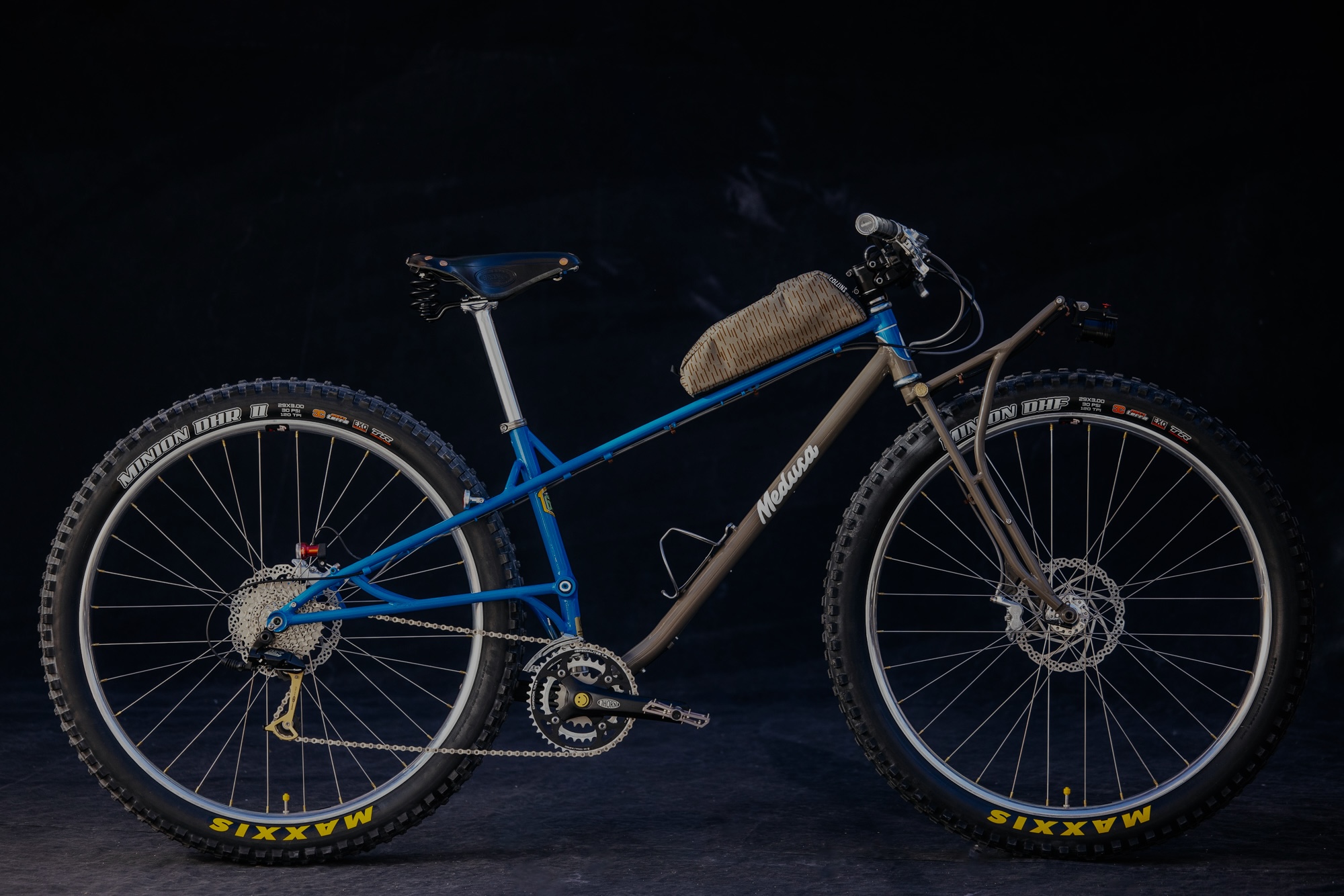
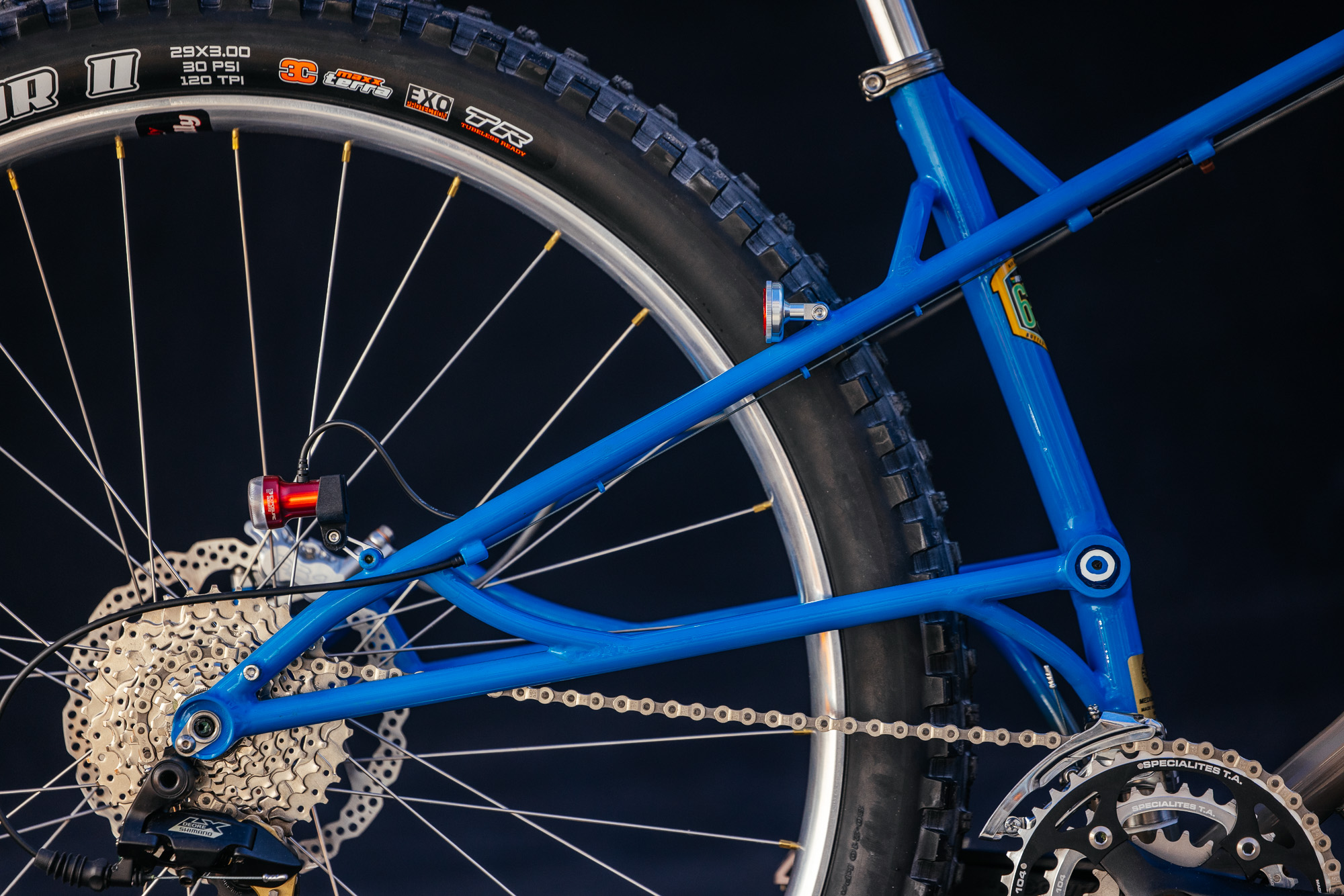
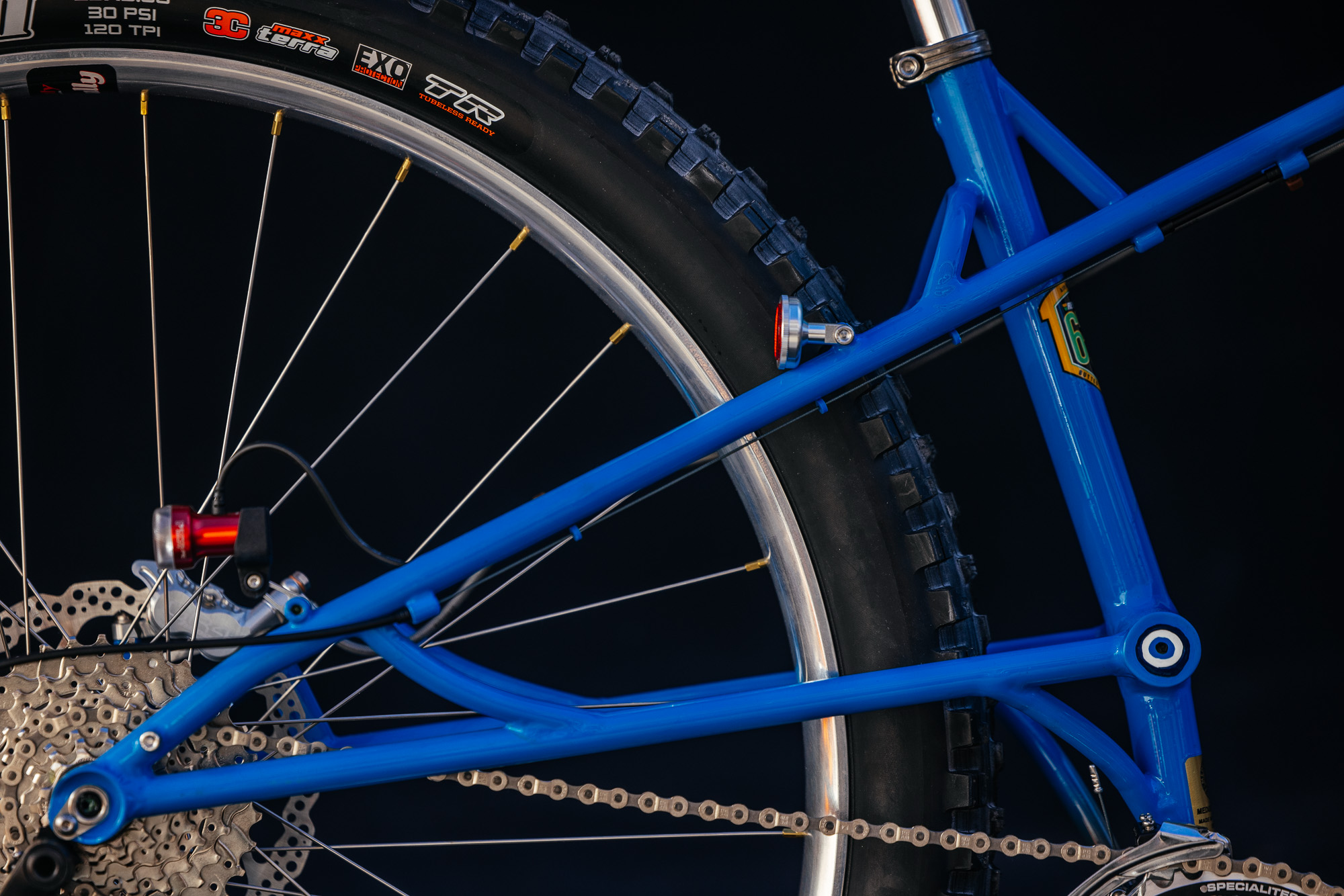
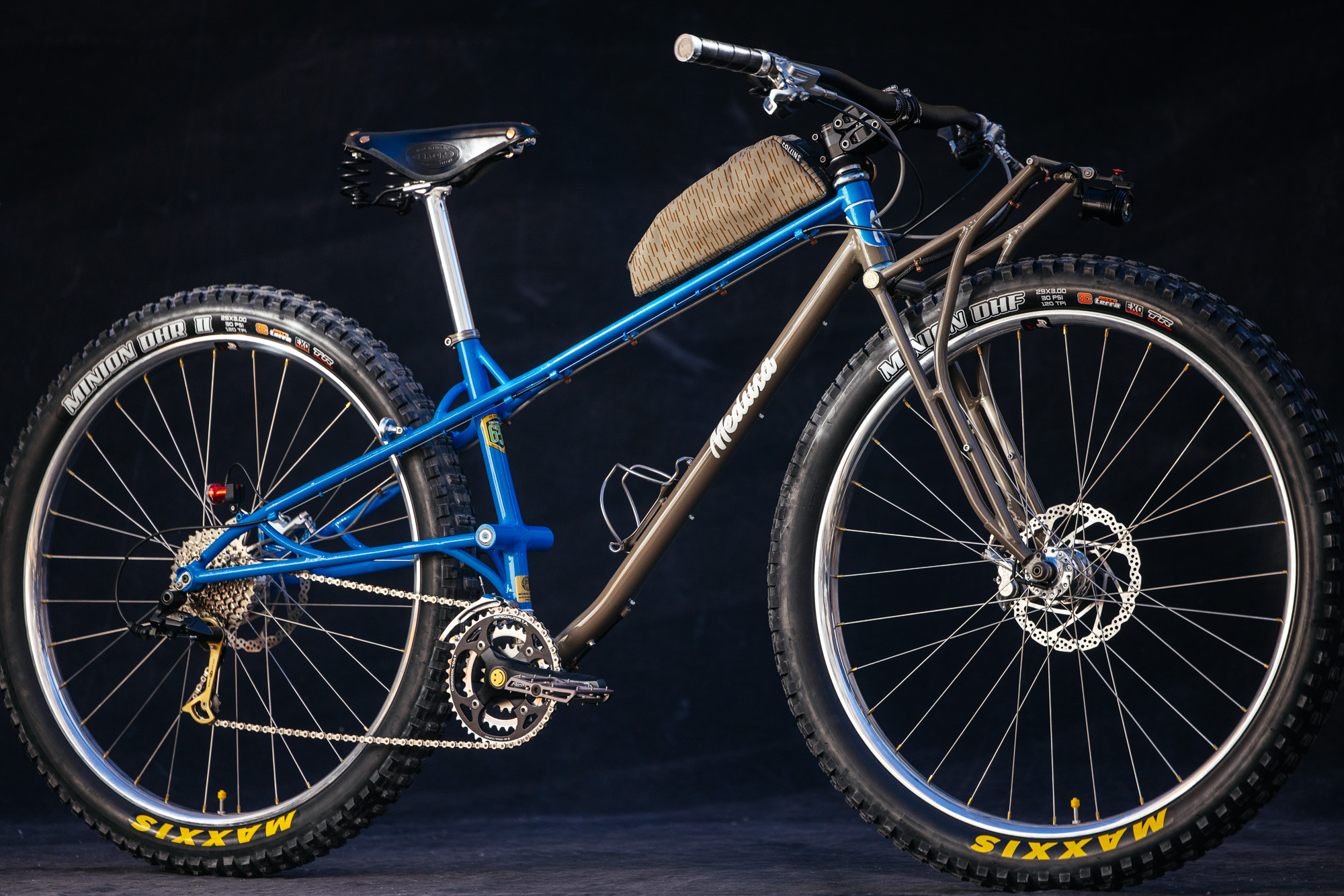
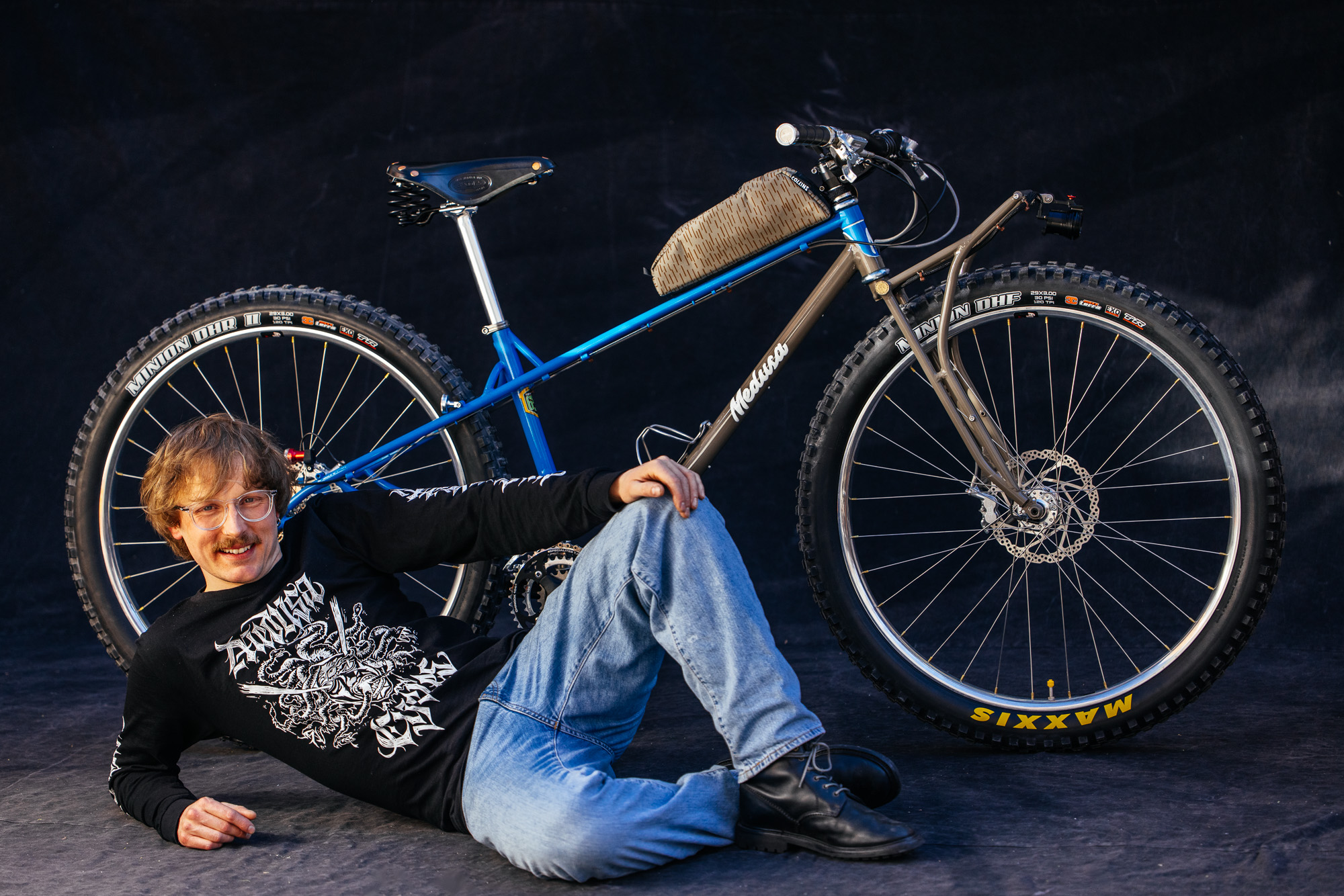
One bike I brought was a bit of a first for me. A huge-tyred bikepacking rig, I decided to call it the ‘Medusa Kangal’, after the breed of large dog, commonly seen roaming the Anatolian Steppe of Turkey. The design of the bike was influenced by my time on the previously mentioned overland bike trip to India. There were many points of that journey where I dreamed of having a bike with thicker tyres, more capable of soaking up the rough surfaces encountered in Central Asia.
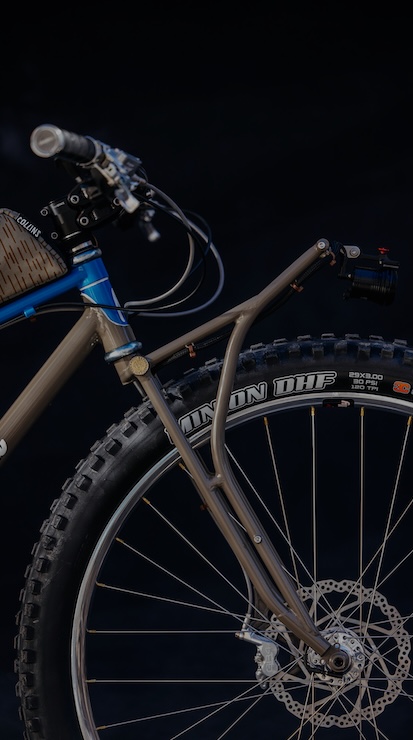
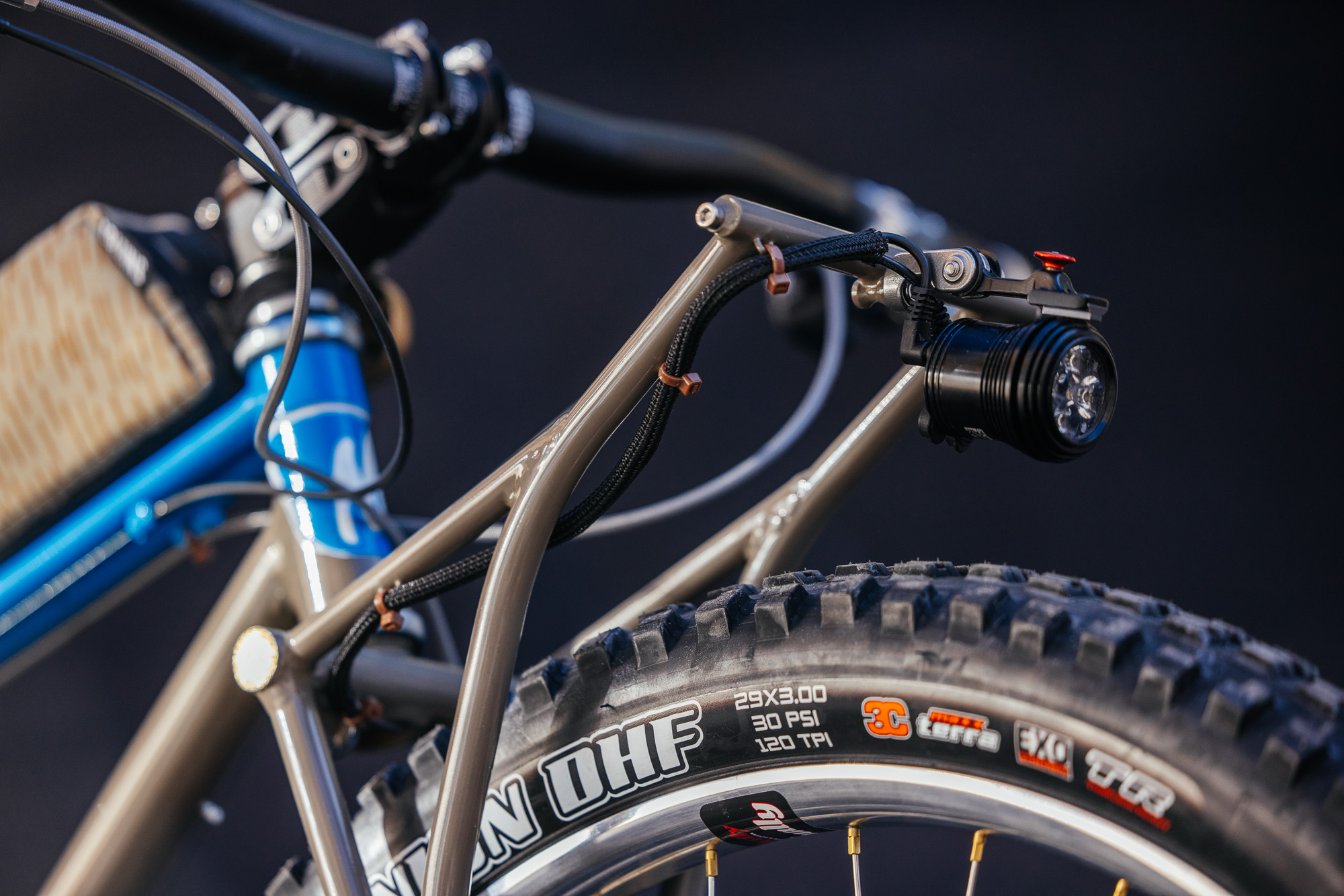
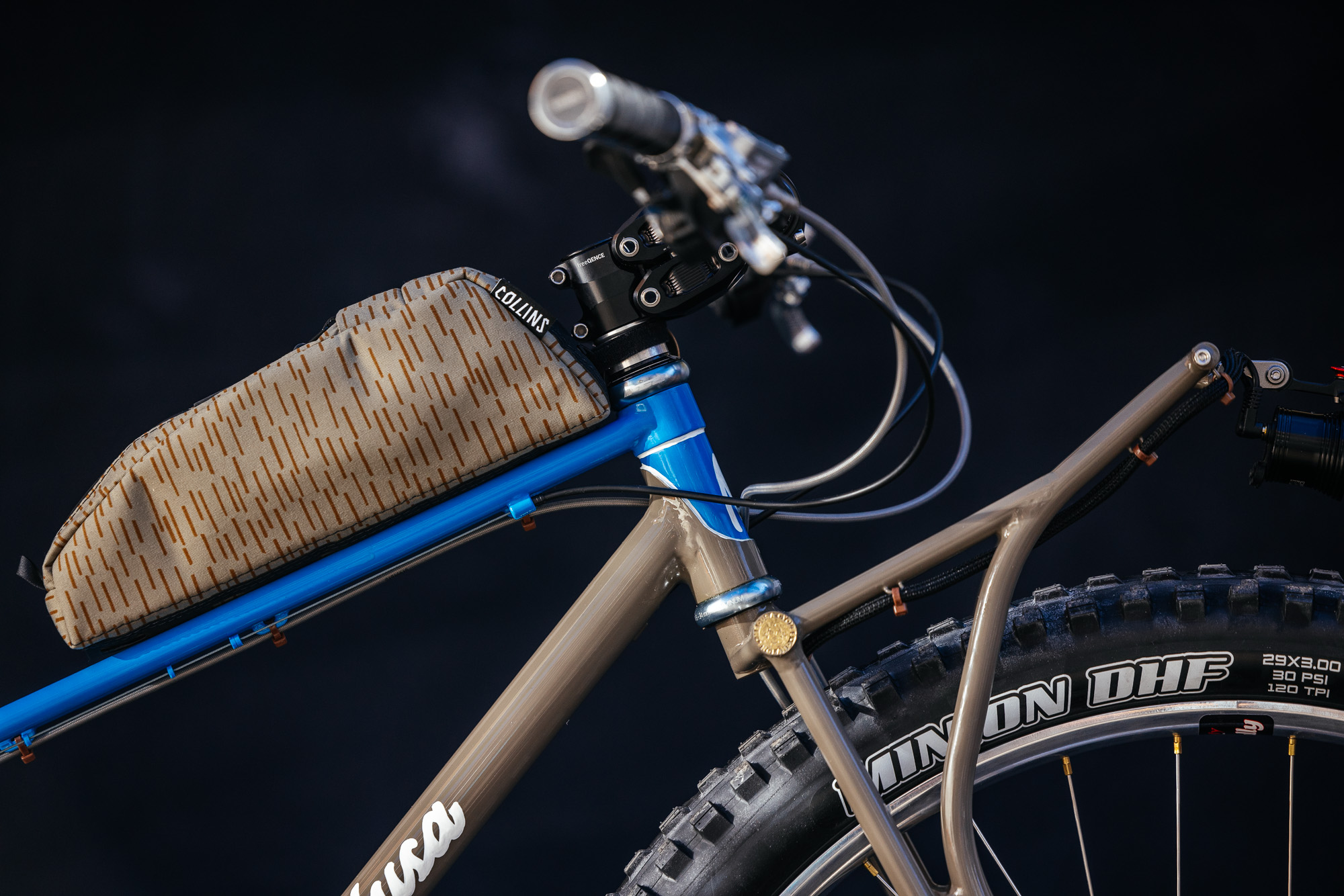
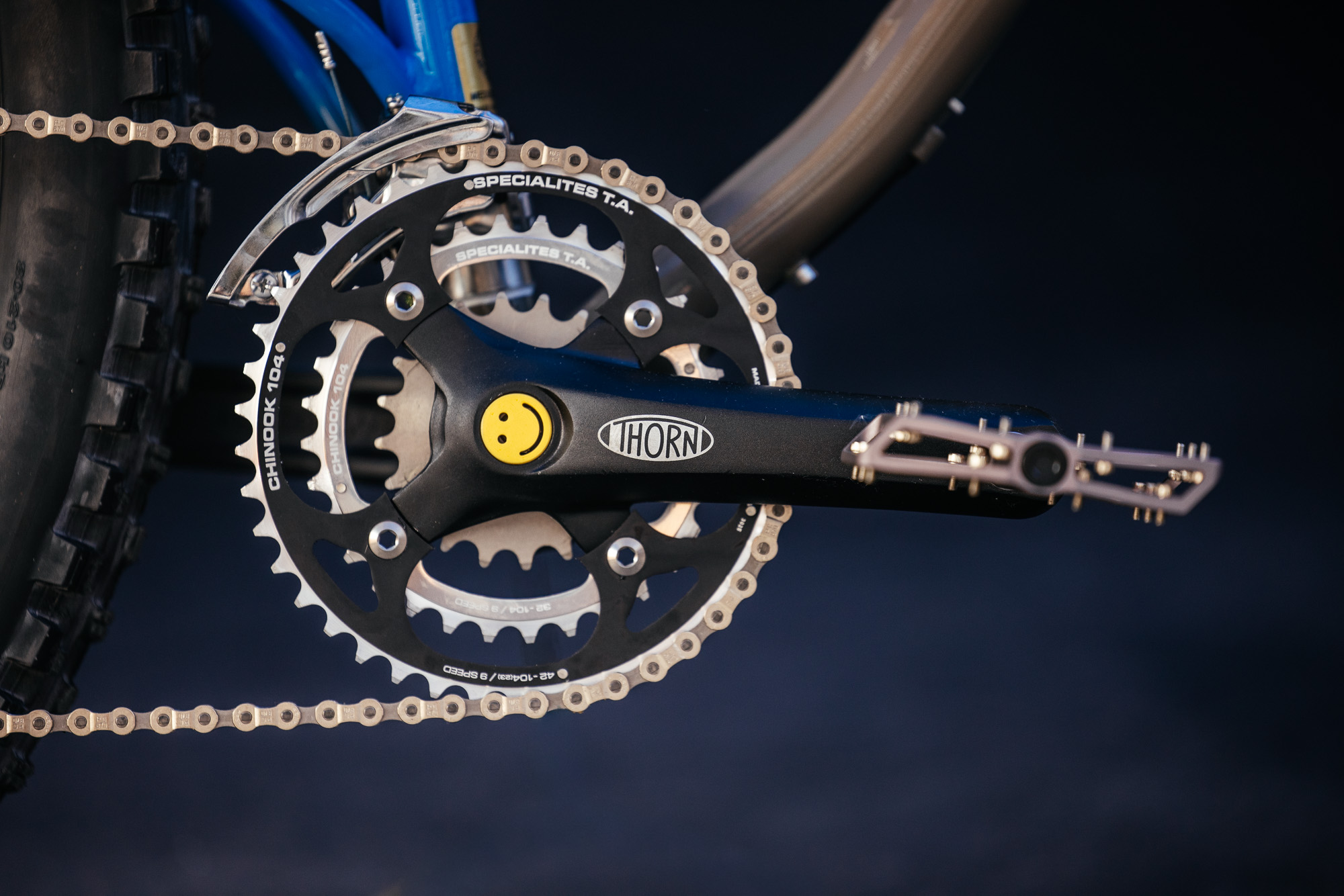
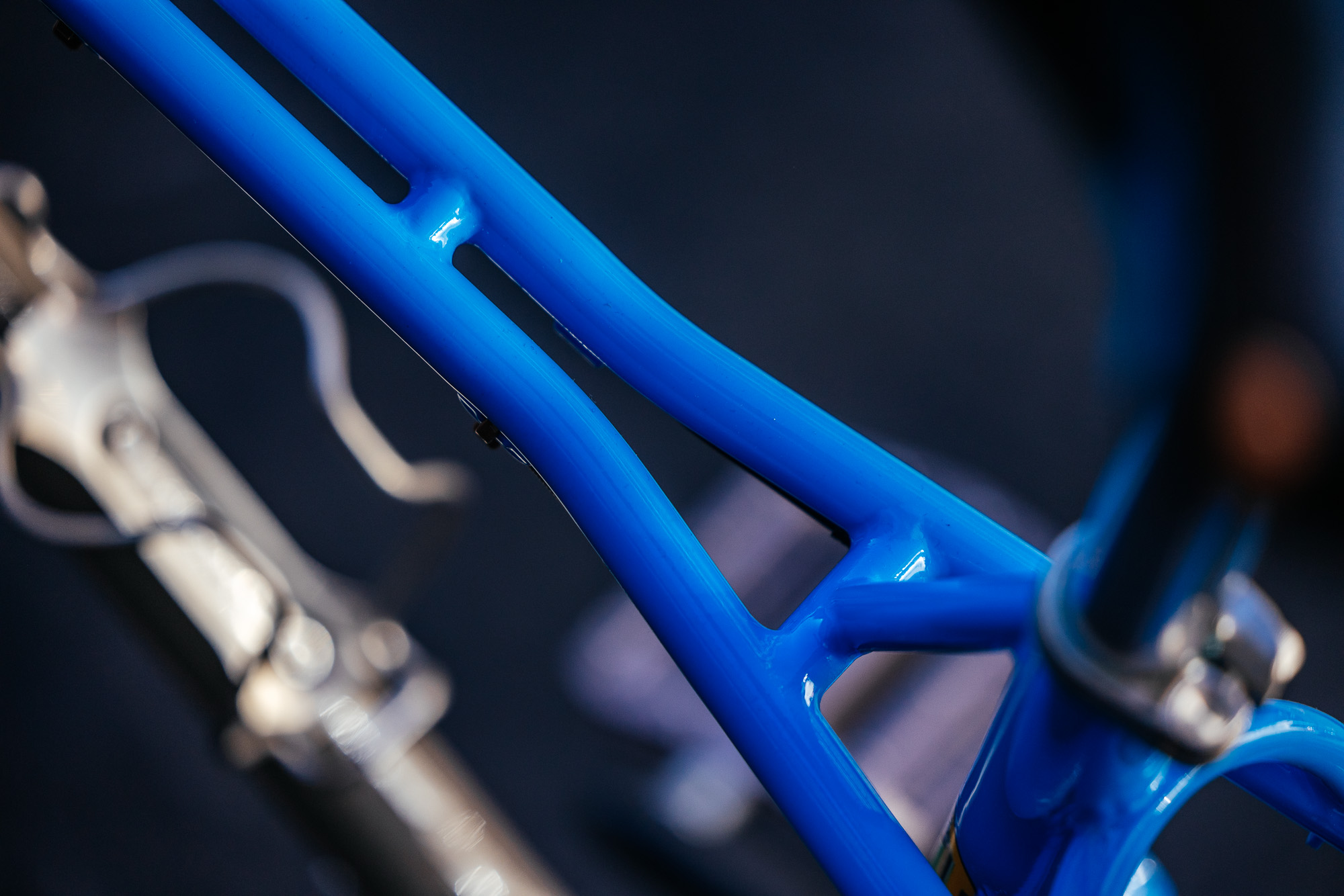
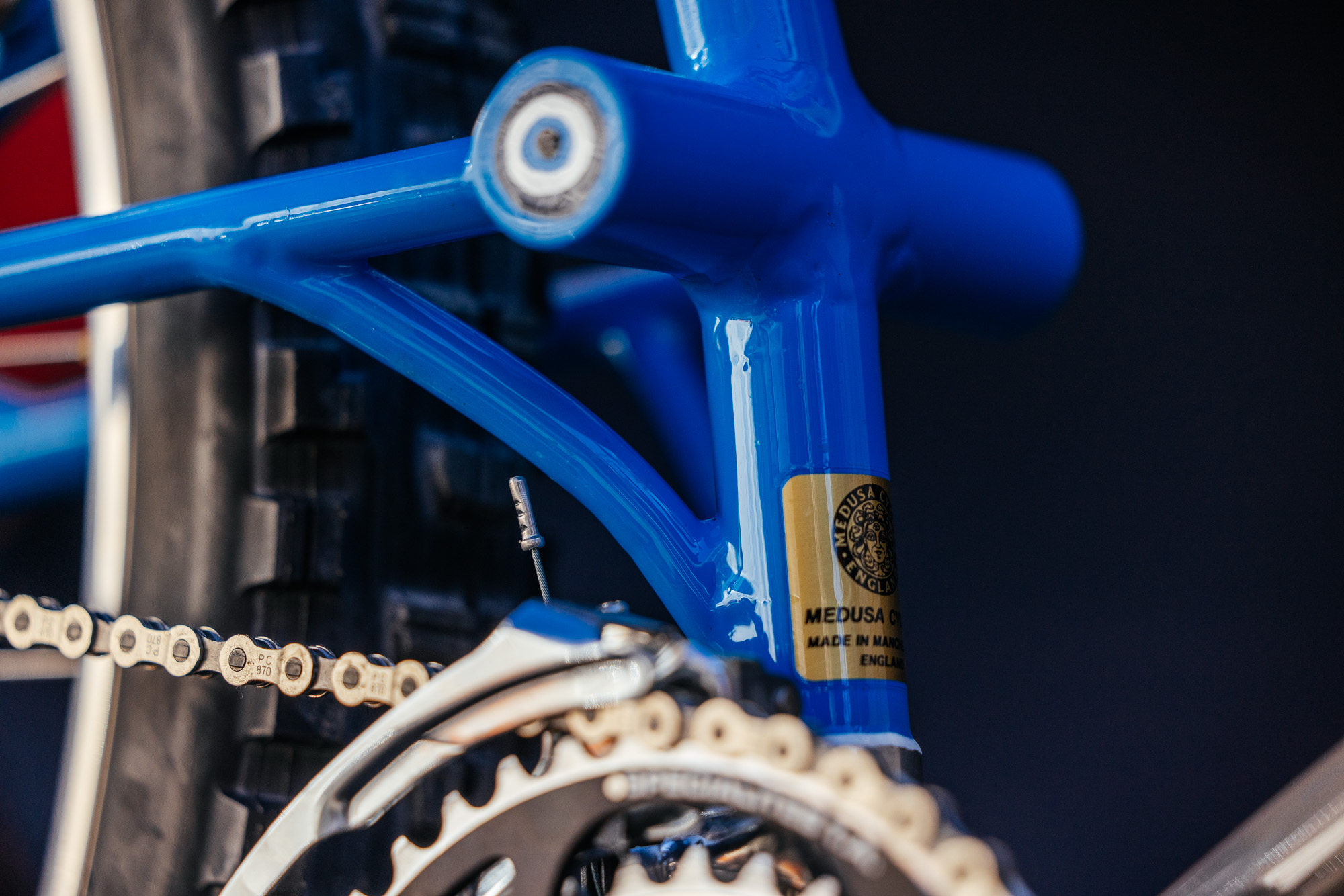
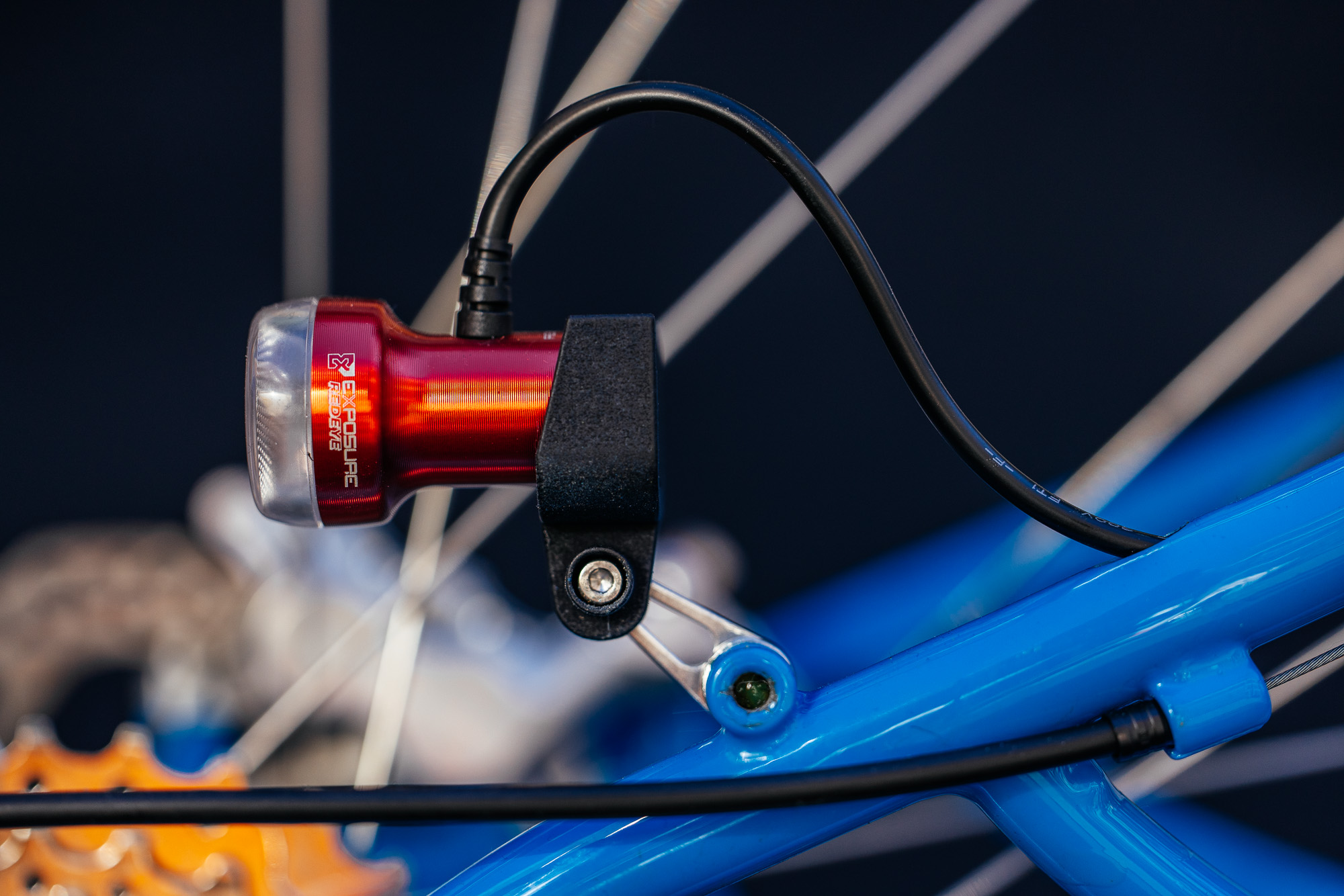
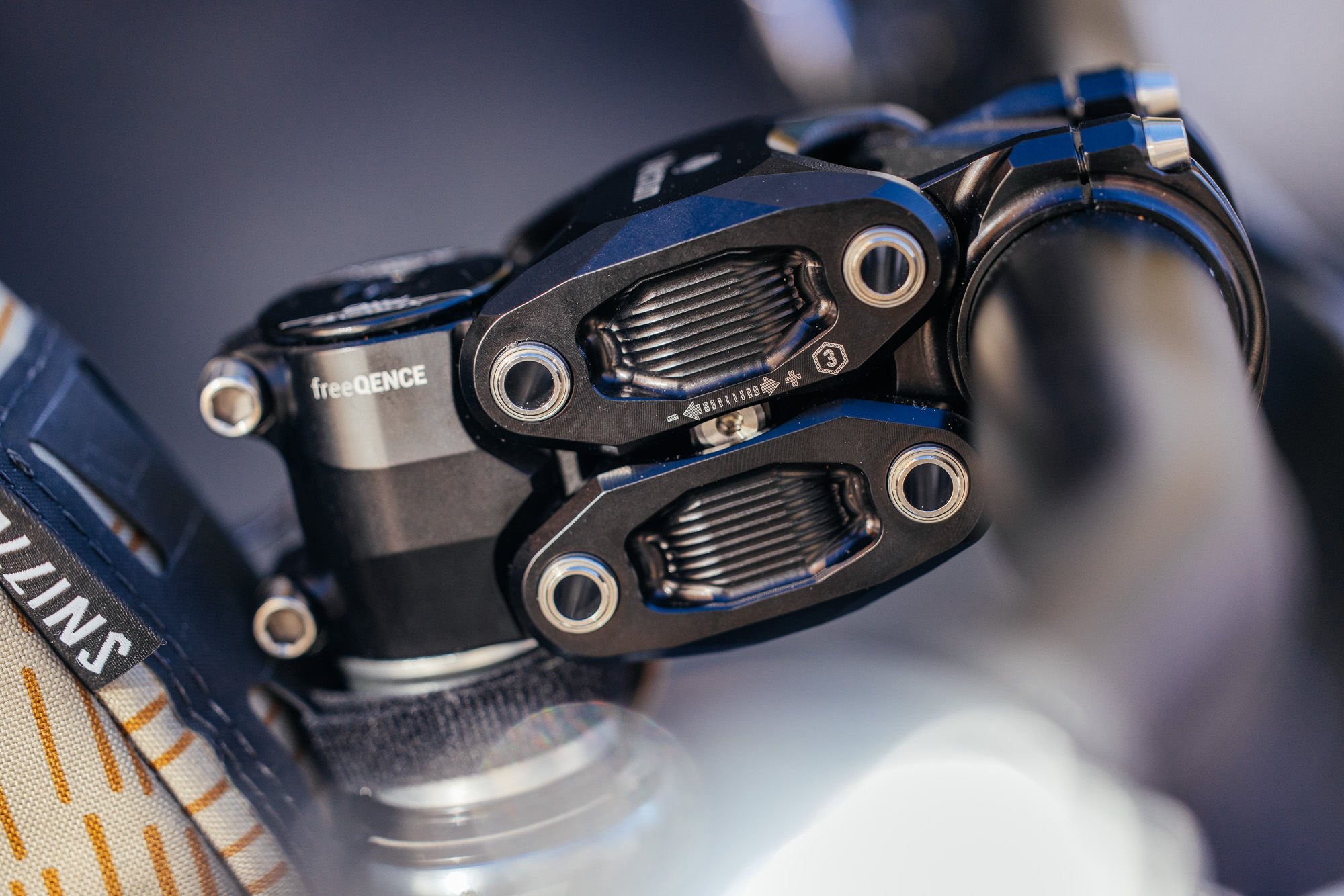
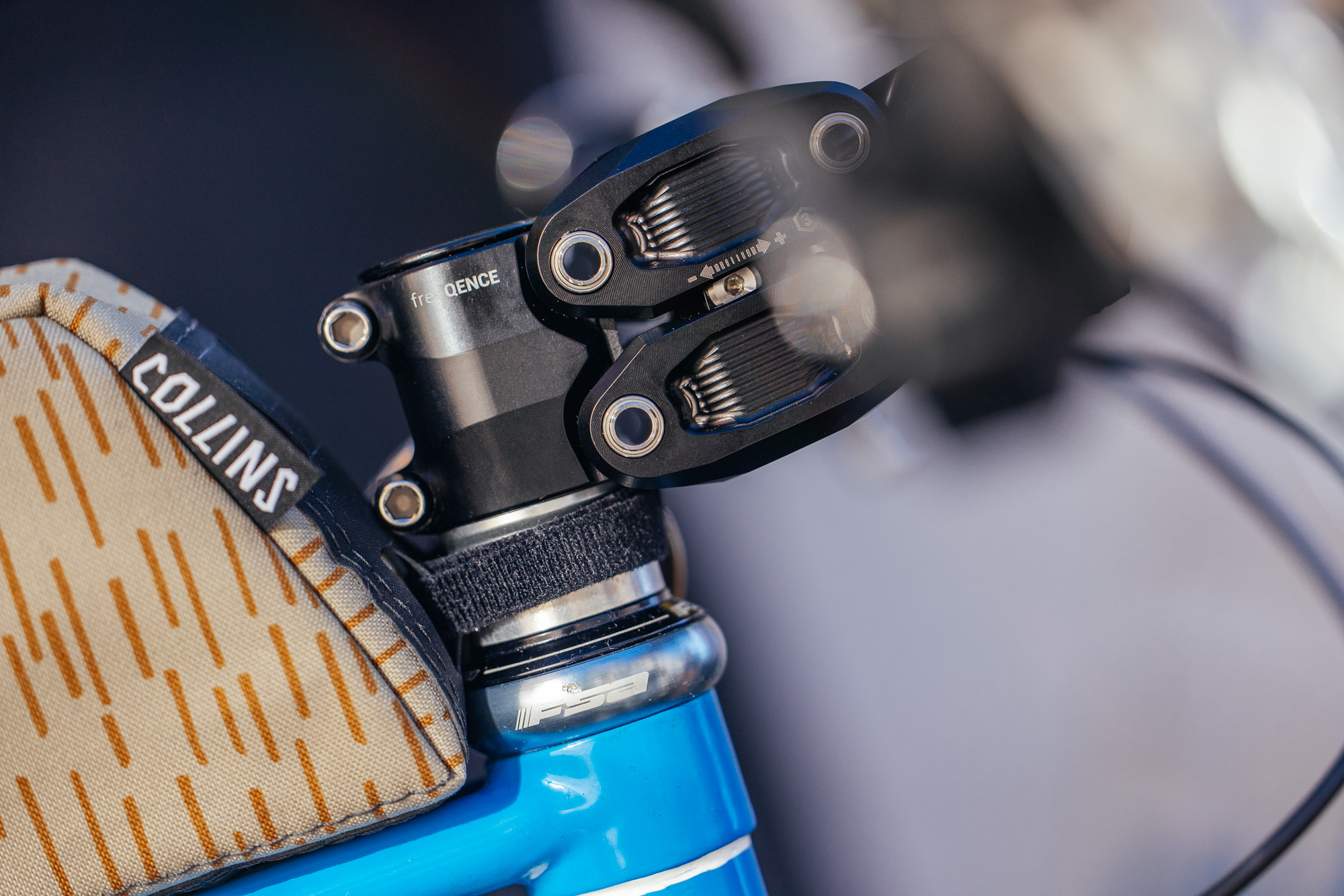
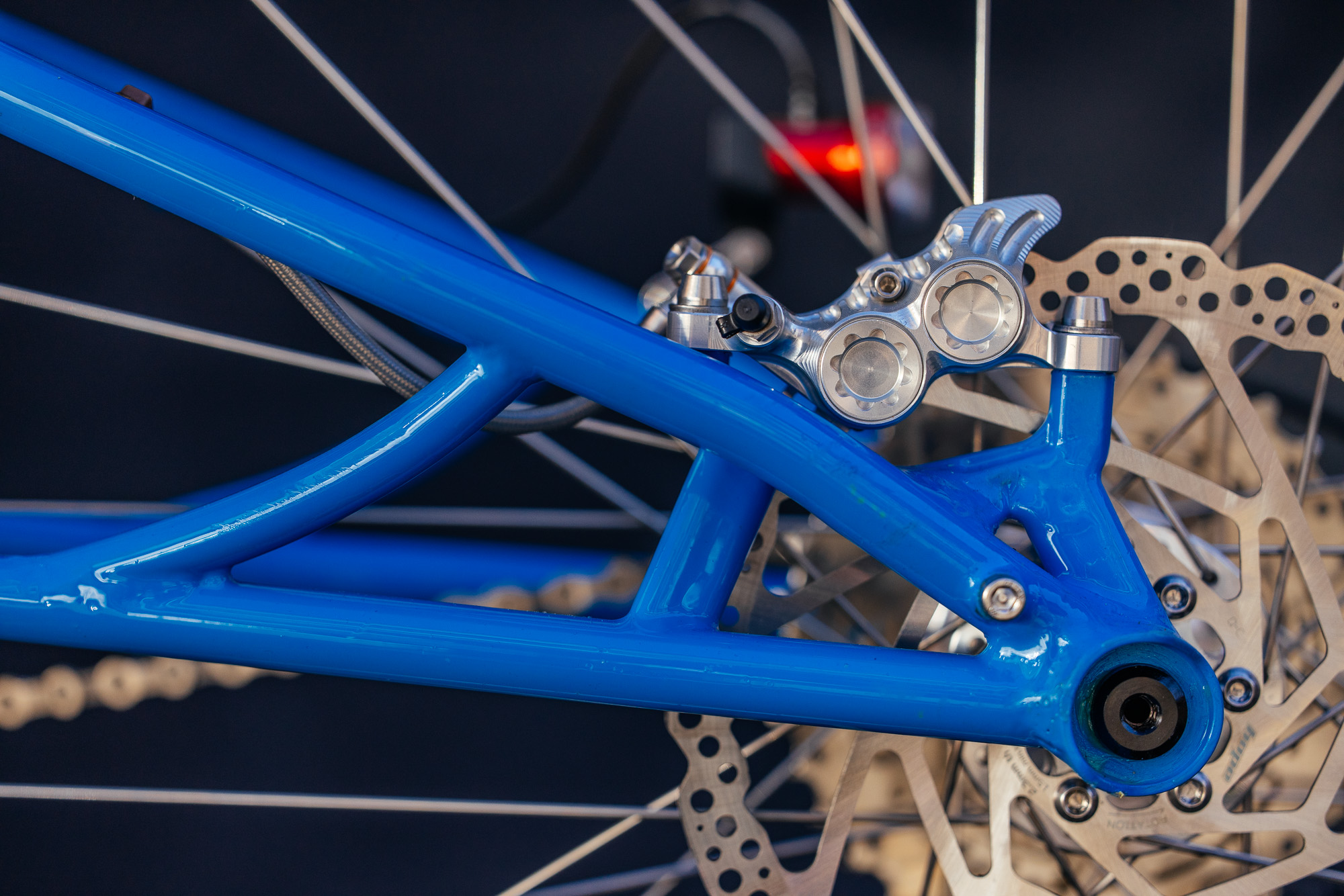
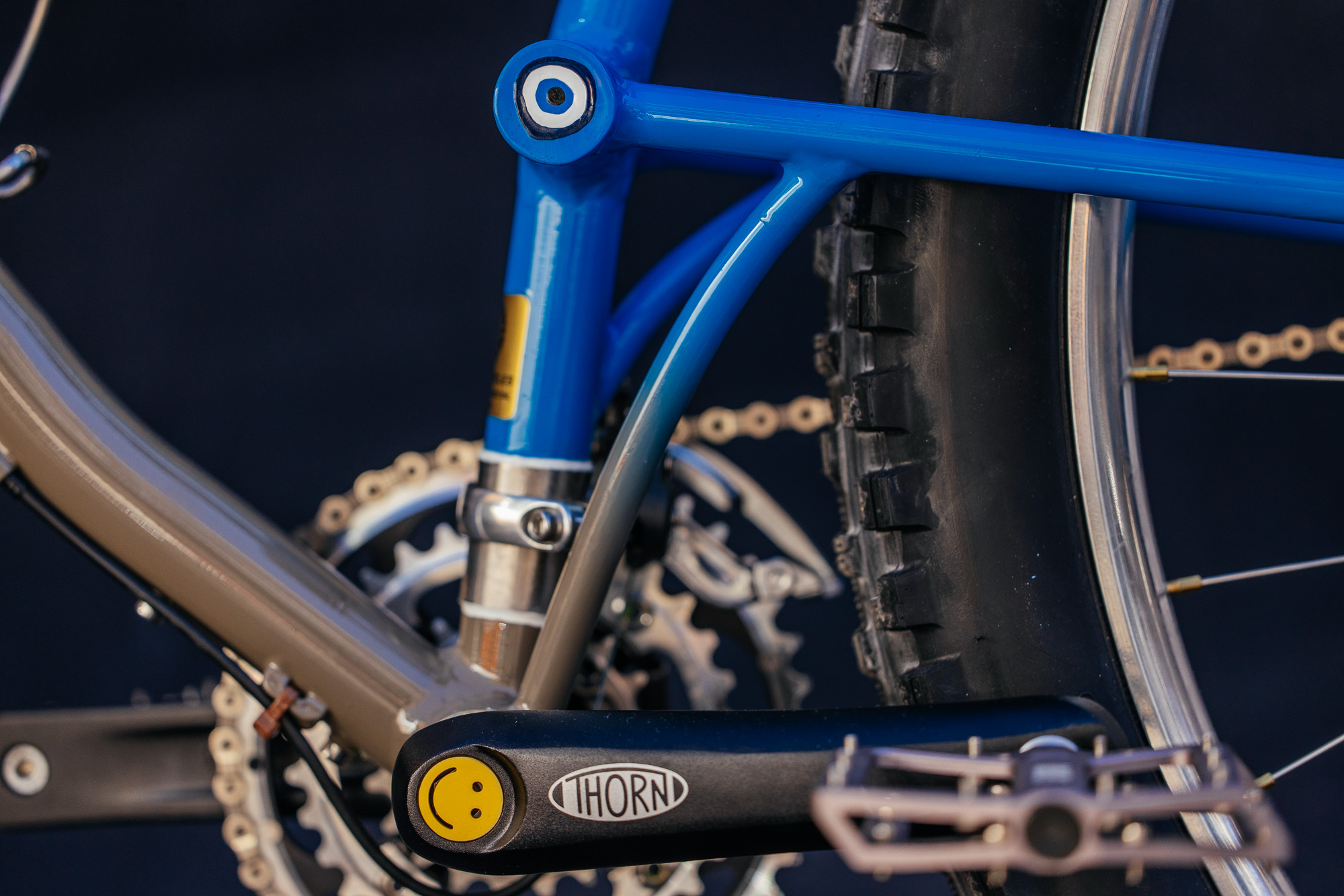
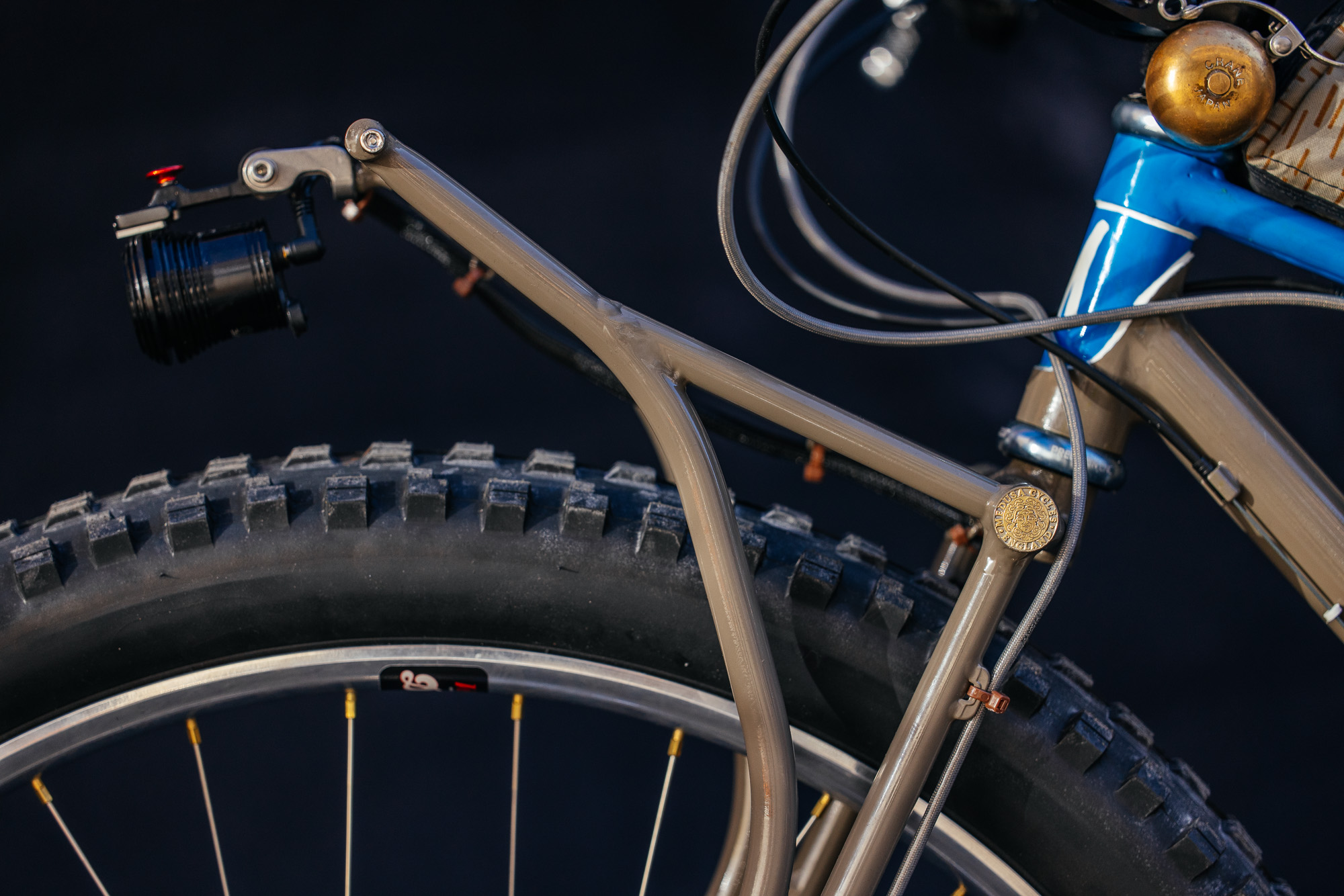
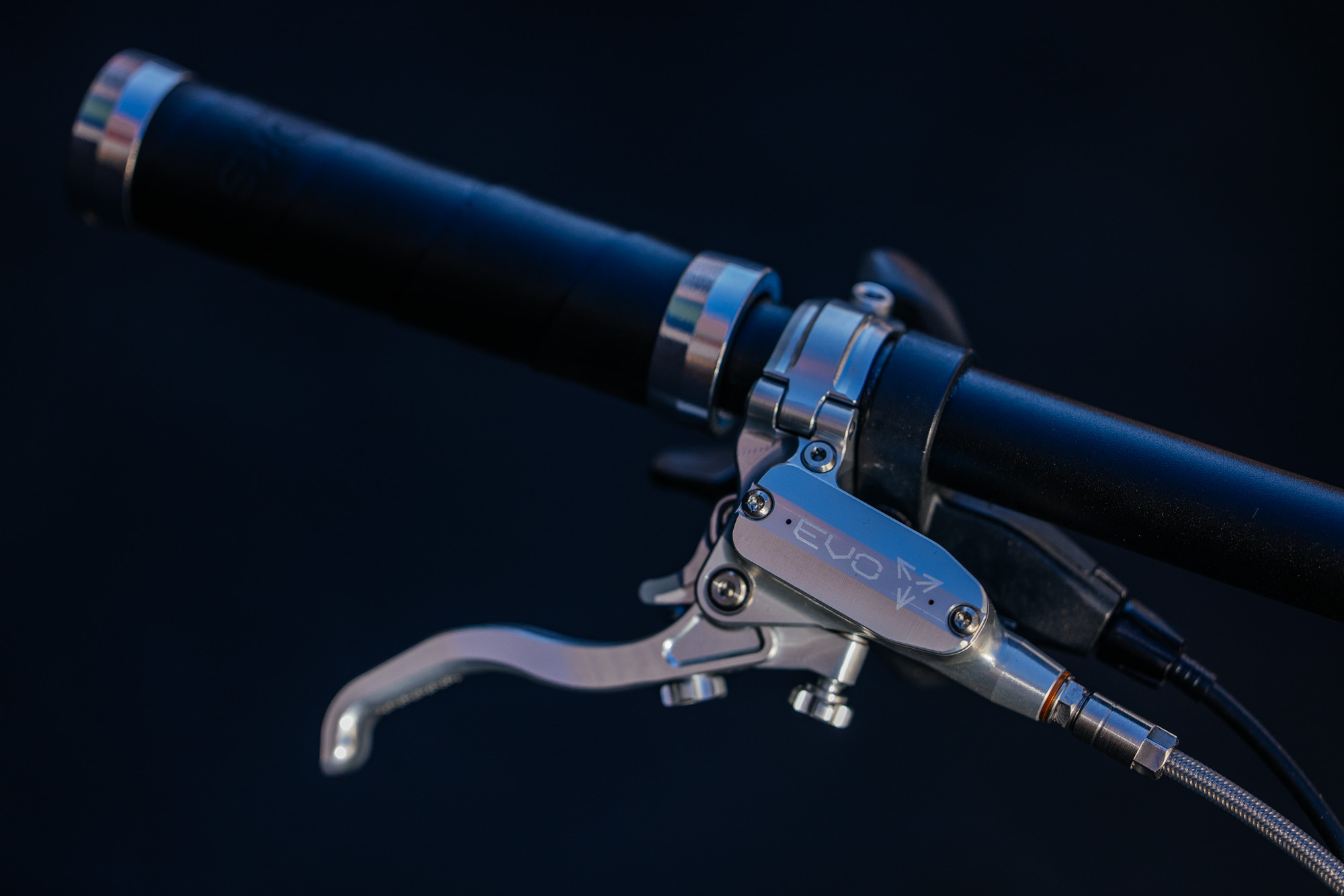
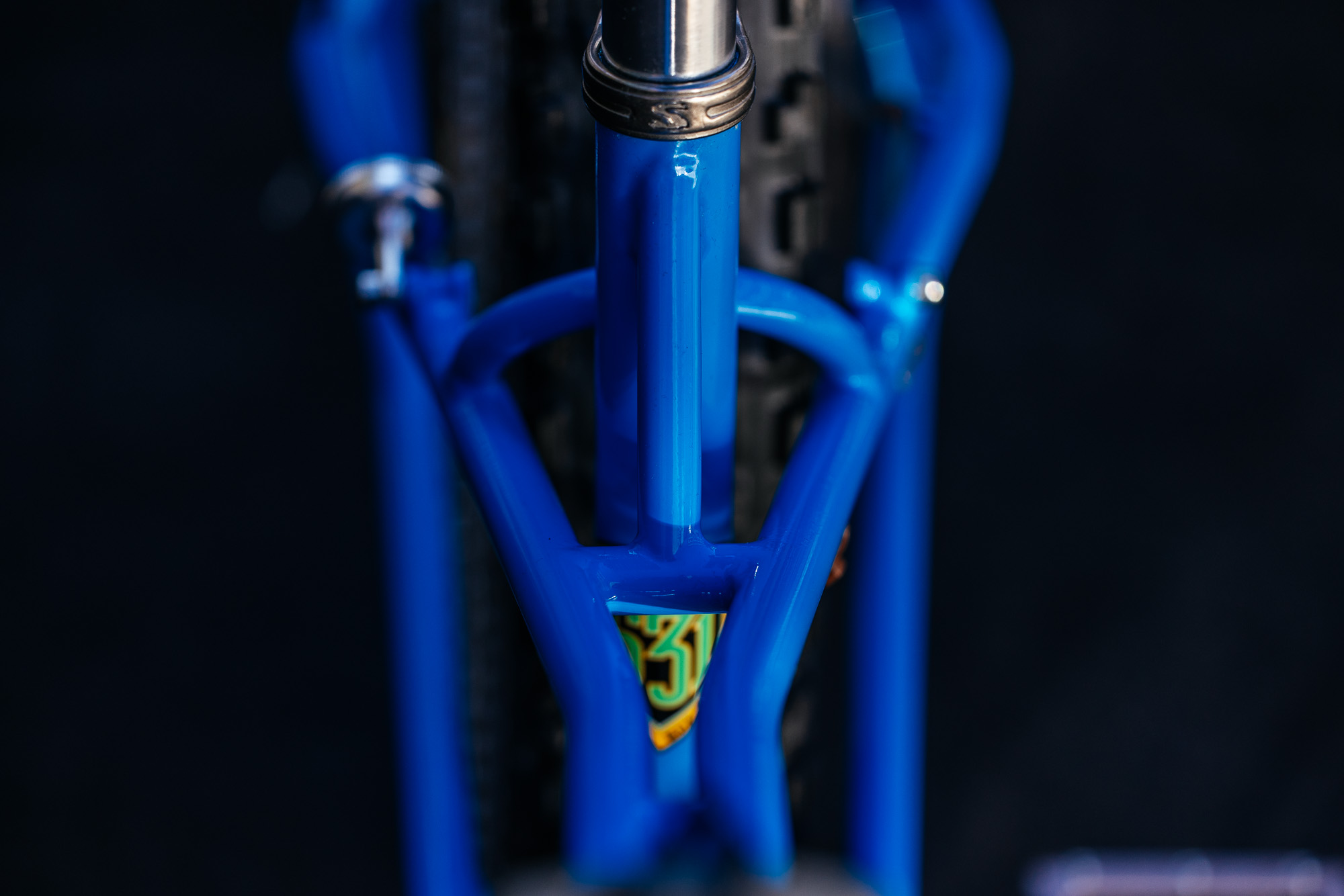
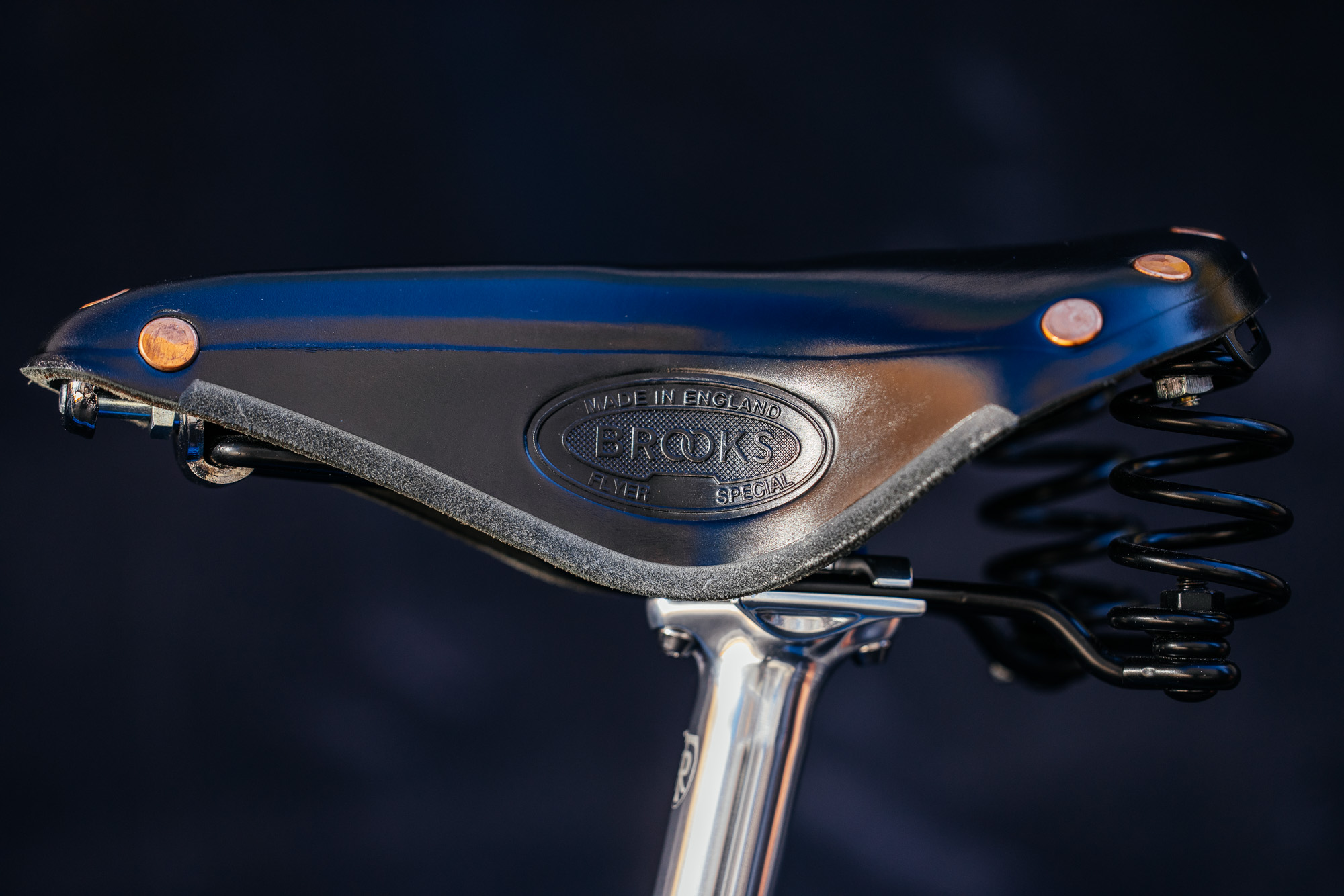
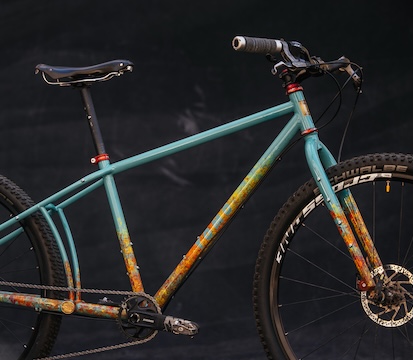
I built the Kangal up with 29 x 3.0 tyres and a Brooks Flyer sprung saddle to achieve optimum comfort. I decided to use this frame as a chance to go a bit wild with the tubing, so as a result, you’ll see a double toptube, bent downtube, and numerous curved bracing tubes, plus the obvious elevated chainstays for extra mud clearance. The fork is also my first attempt at a half-truss design and includes an integrated front bag mount. I decided to paint the bike in a colour scheme inspired by the back drop of the Pamir Highway in the Tajikistan and Kyrgyzstan region. A stoney grey/ khaki colour meets a bright blue to mimic the rugged Pamir mountains and vivid blue sky. Highlights of white give the impression of snow.
- Brooks extends a special thanks to John Watson of the Radavist for the images used in this article.
Frame builder favourites
More Bikes Stories
Stayer Cycles, keeping it simple
Stayer Cycles’ founder Sam Taylor on the ethos of the brand.
READ MORE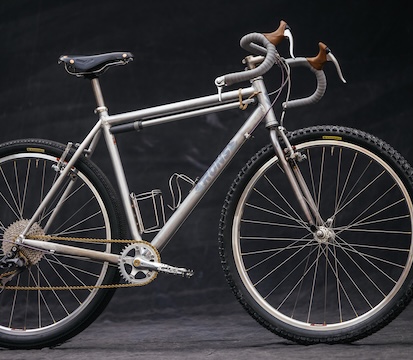
Get 15% off
your first
purchase.
Don’t miss our epic adventures.
Subscribe to our inspirational newsletter.