


Events
Field Studies
Pedalling, posing and putting paint to paper.
Words: Tom Owen
Art and bicycles. Bicycles and art. A pairing that endures in culture; an imaginative catalyst that never fails to inspire. From the essential simplicity of Picasso’s Bull’s Head to the oppressive imminence of Ai Weiwei’s Forever Bicycles, and the many artists who’ve used two wheels as a passport to greater creativity.
To celebrate and explore this indelible connection, Brooks invited the pedalling painter, Mike Dutton, to help curate a mini-series of rides, centred around cycling and self-expression. Thus, Field Studies was born.
Under this banner, we’ll take to the streets, trails and pathways of the USA, ride our bikes, then put paintbrush to paper. Any bike will do, and all are welcome.
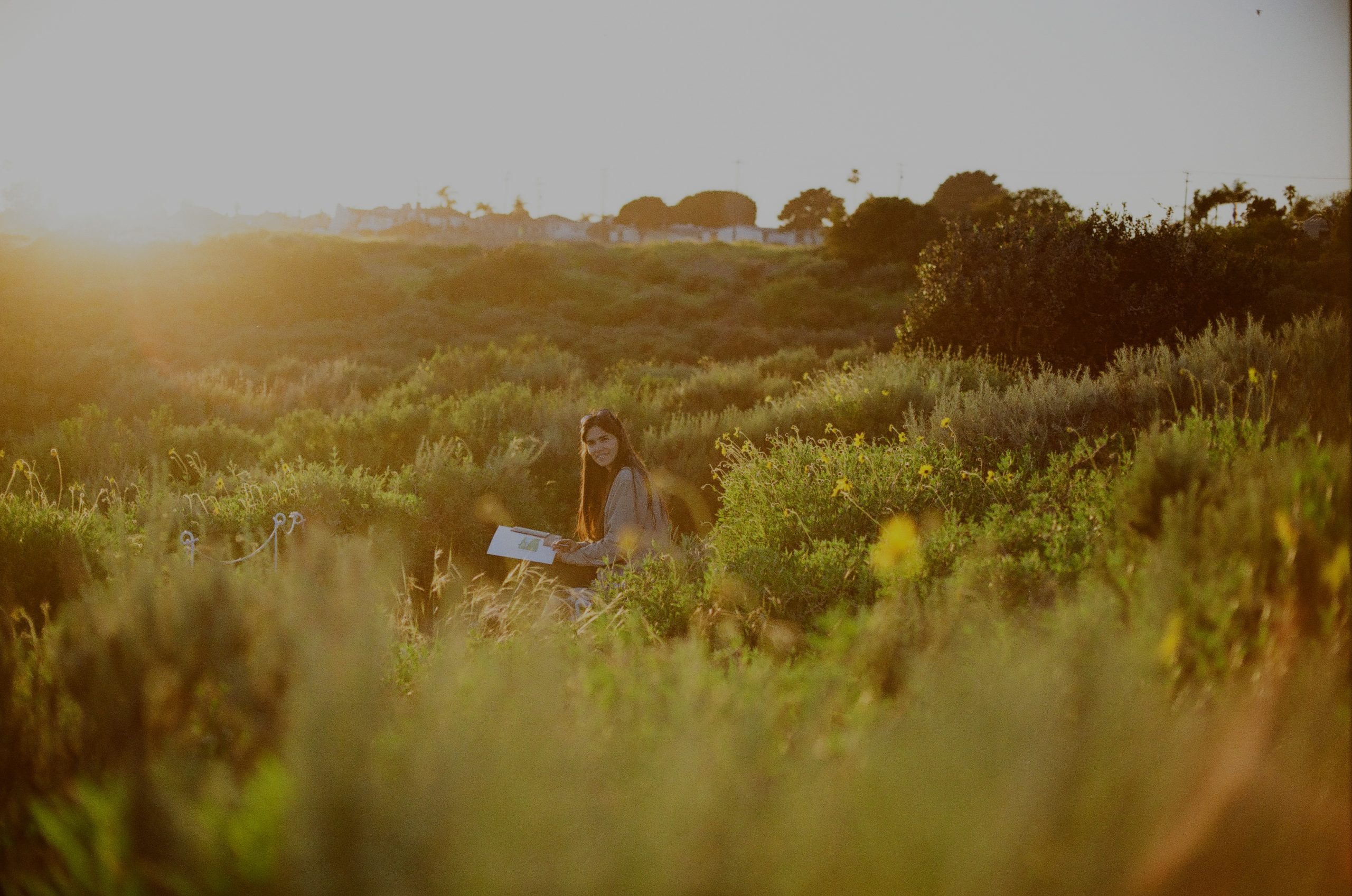
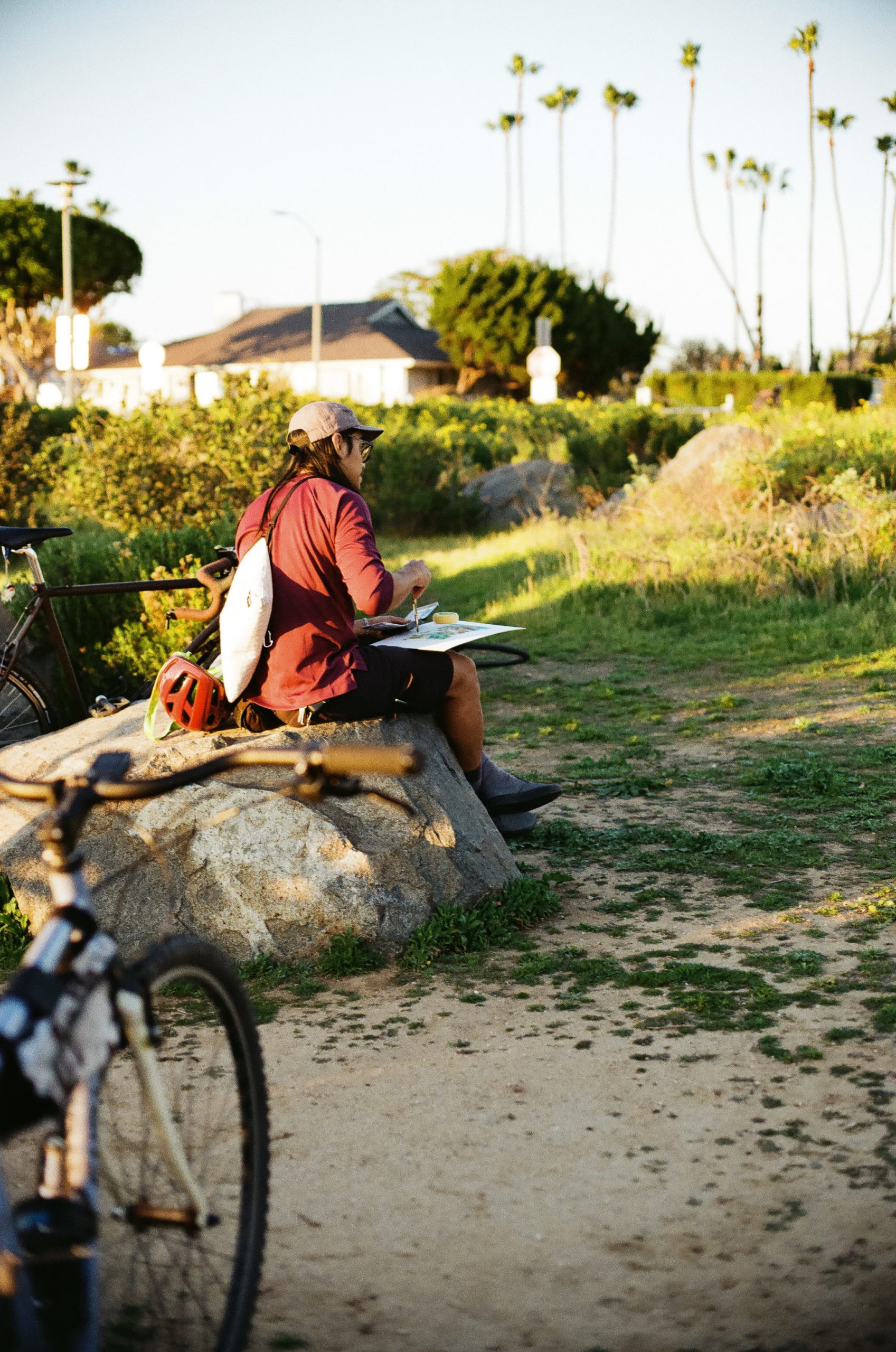
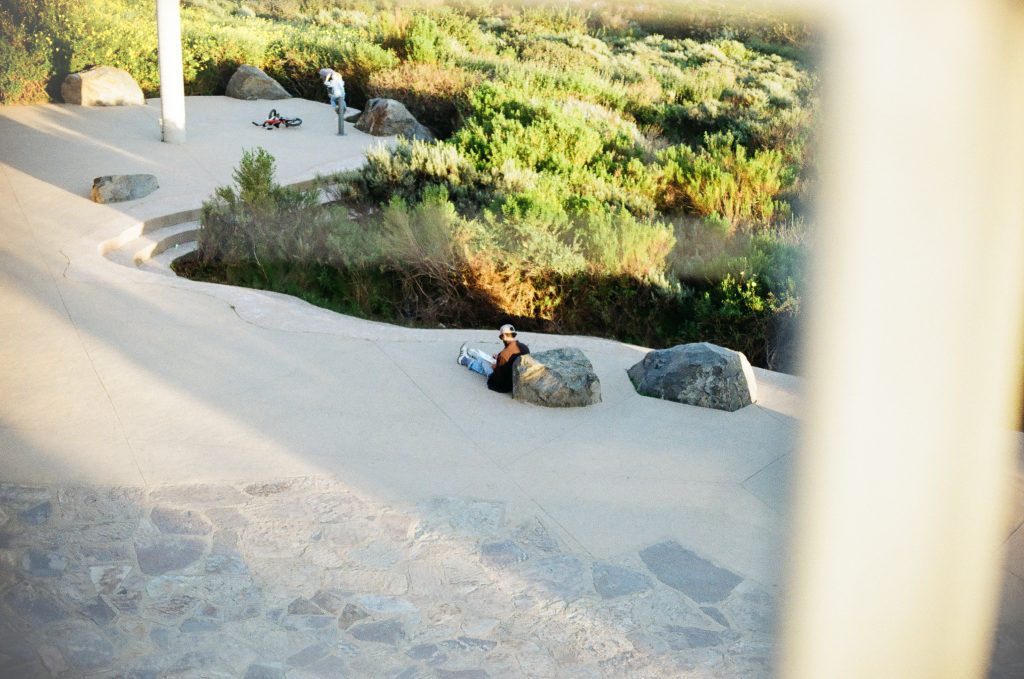
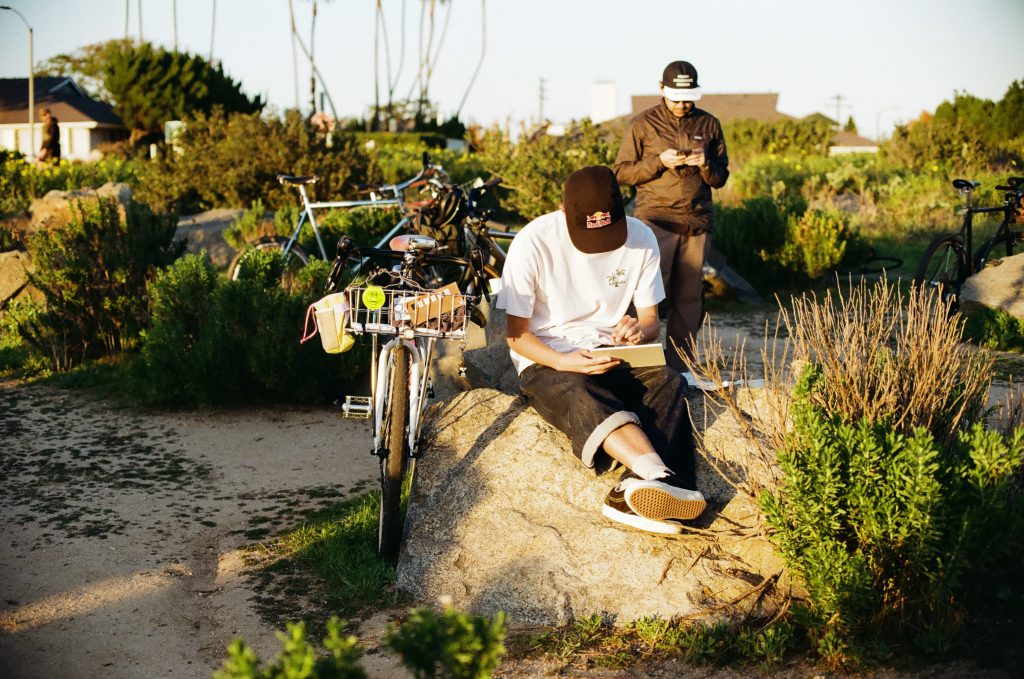
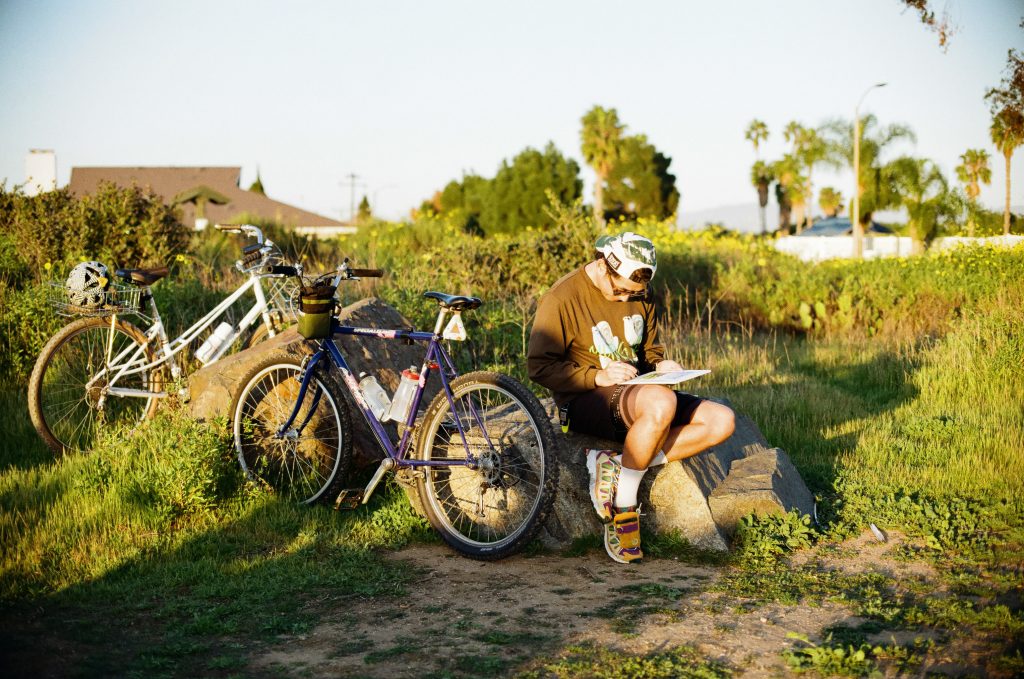
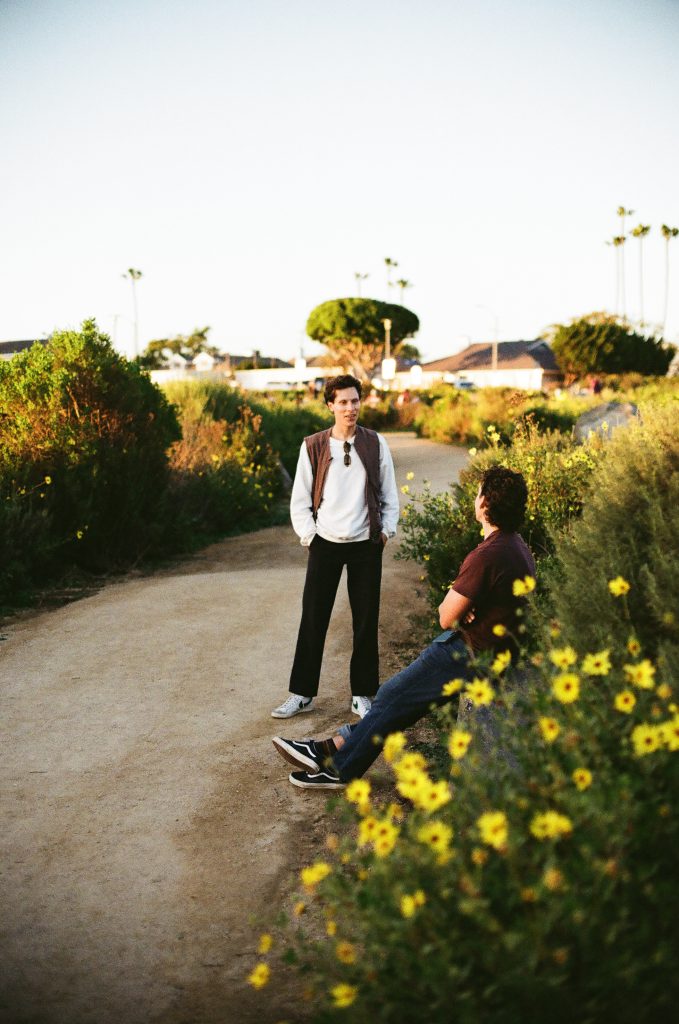
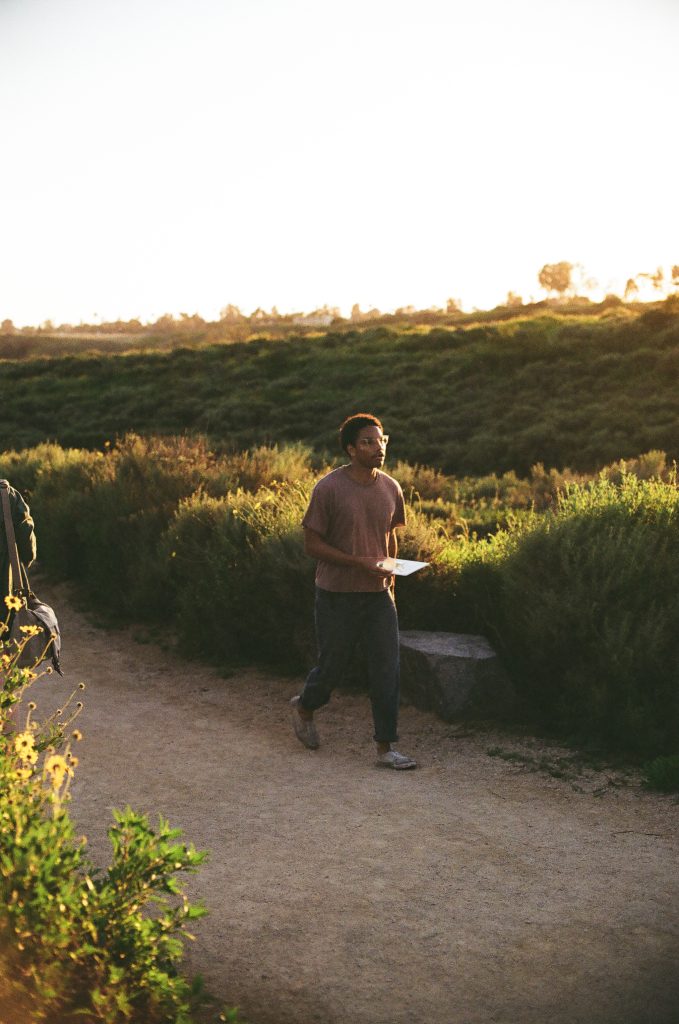
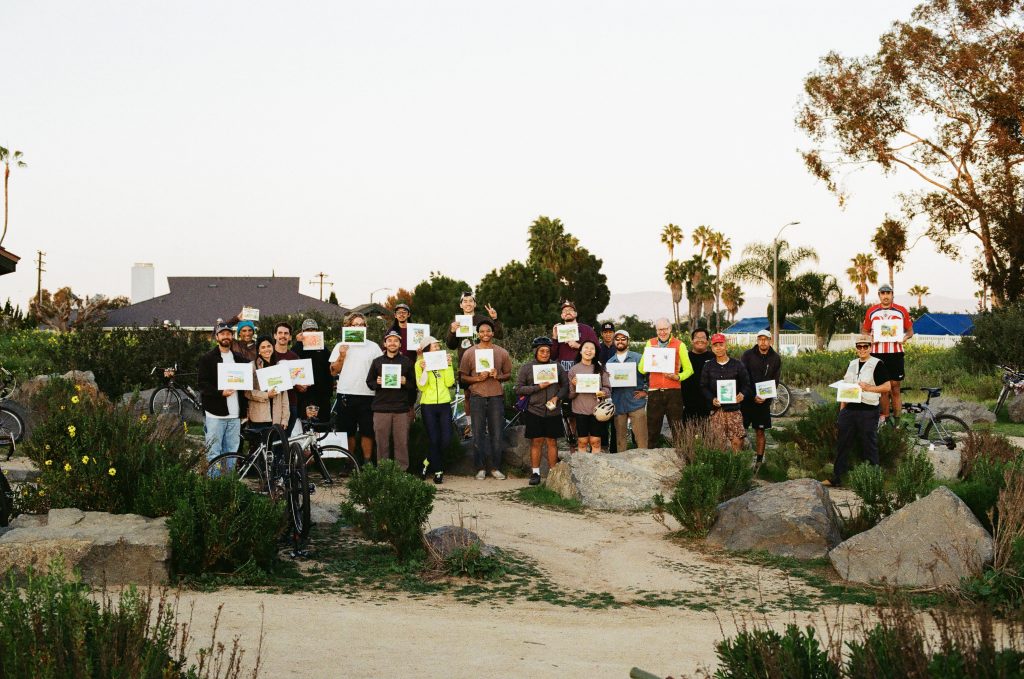
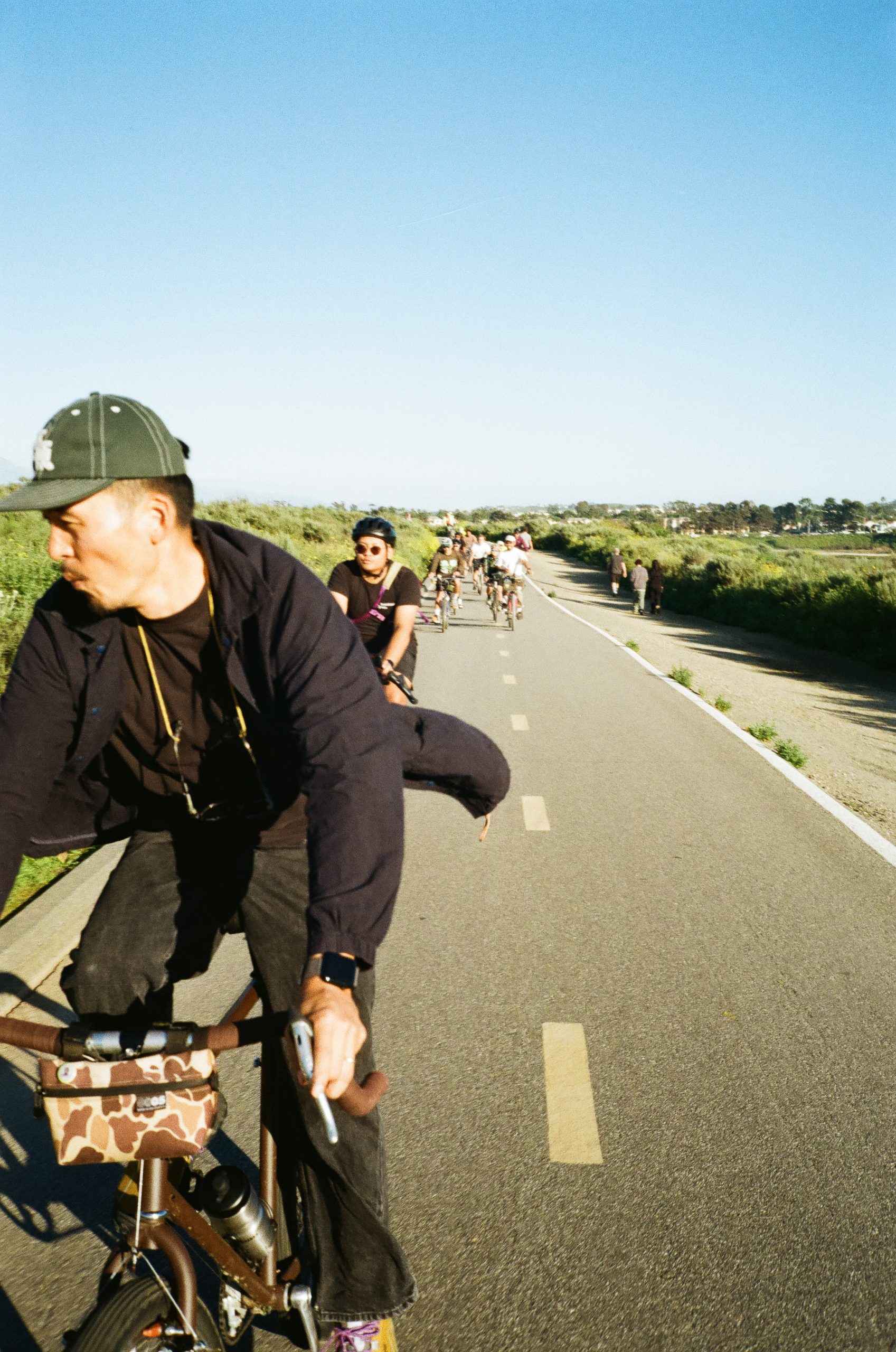
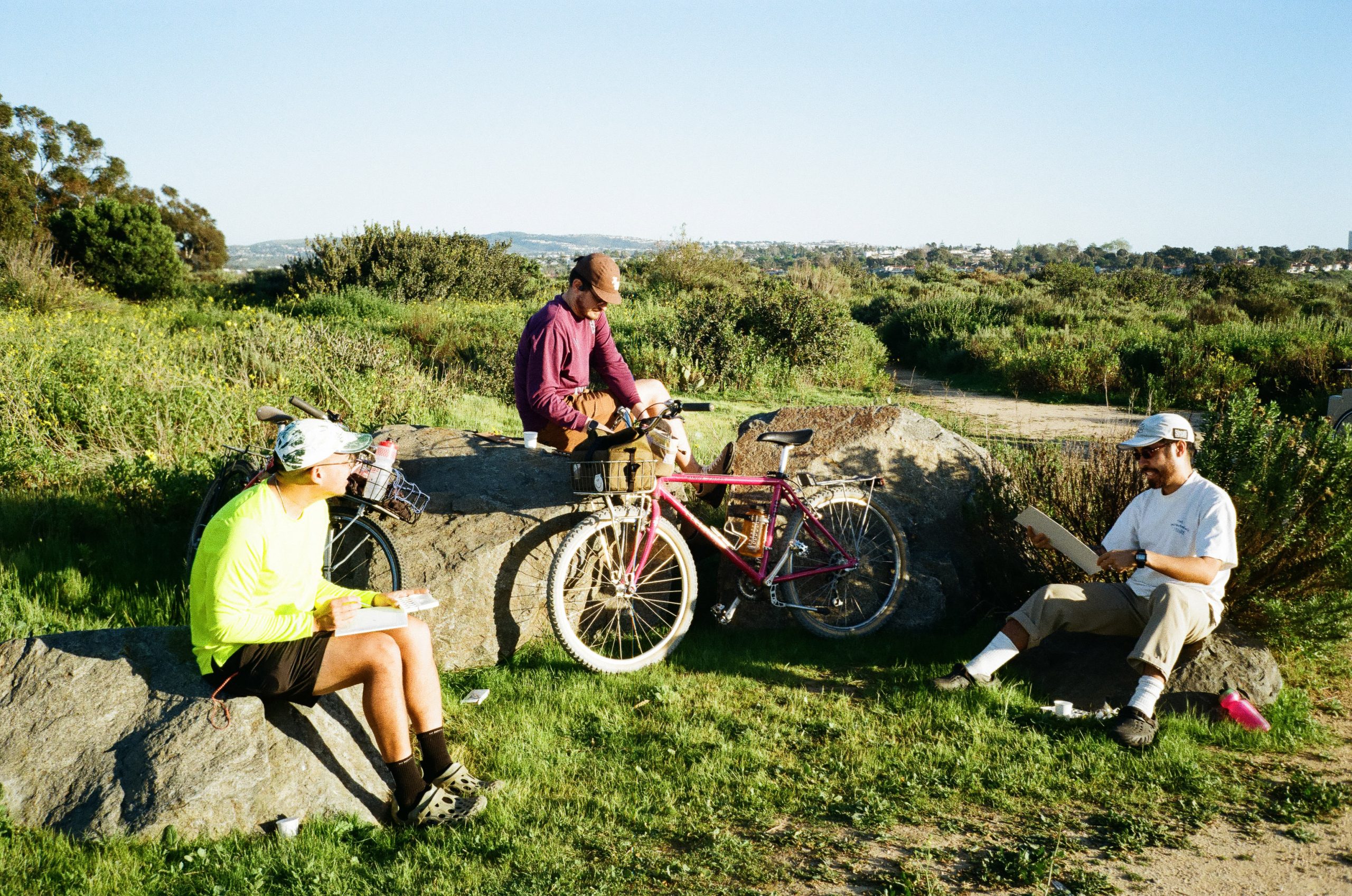
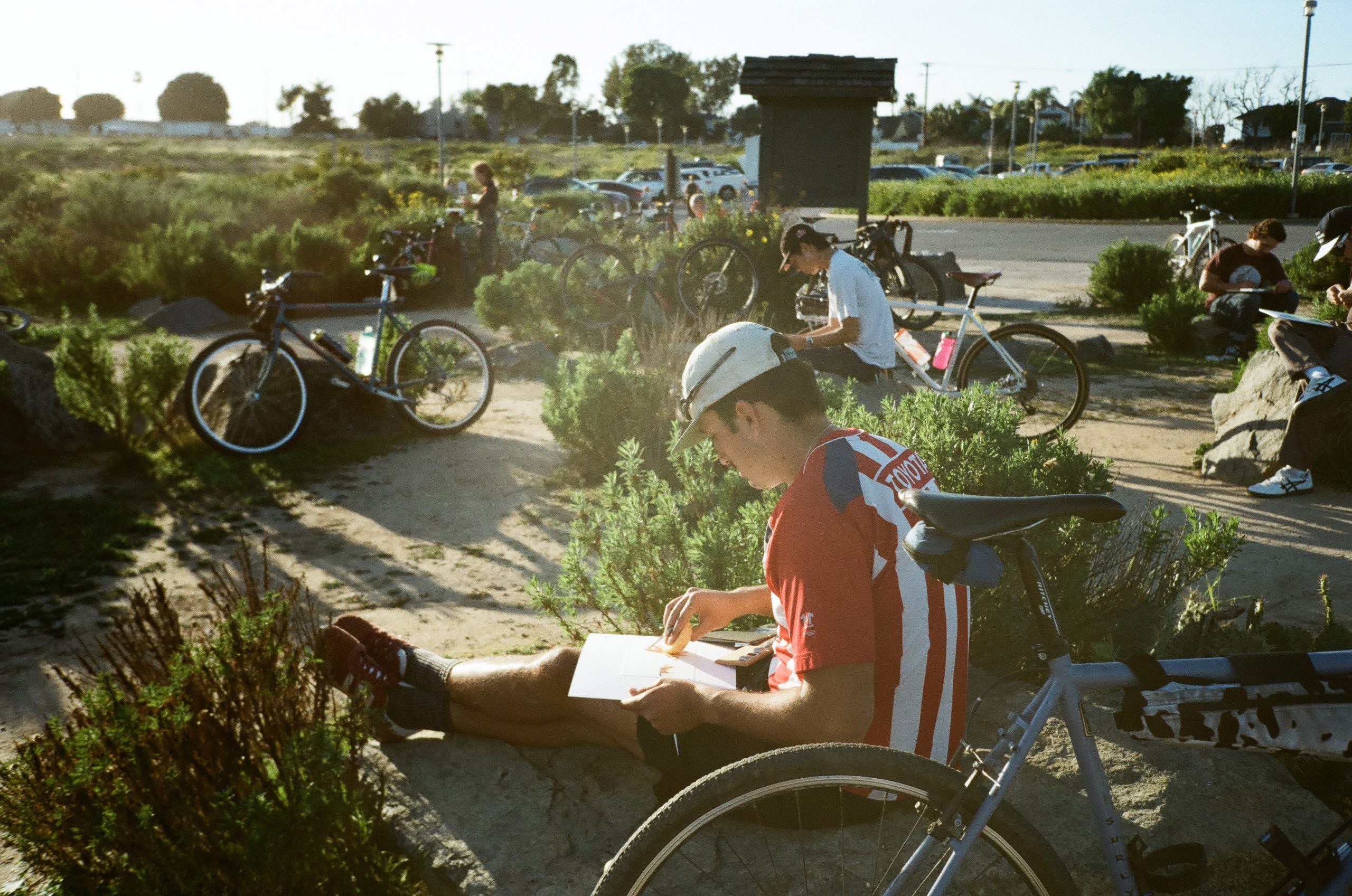
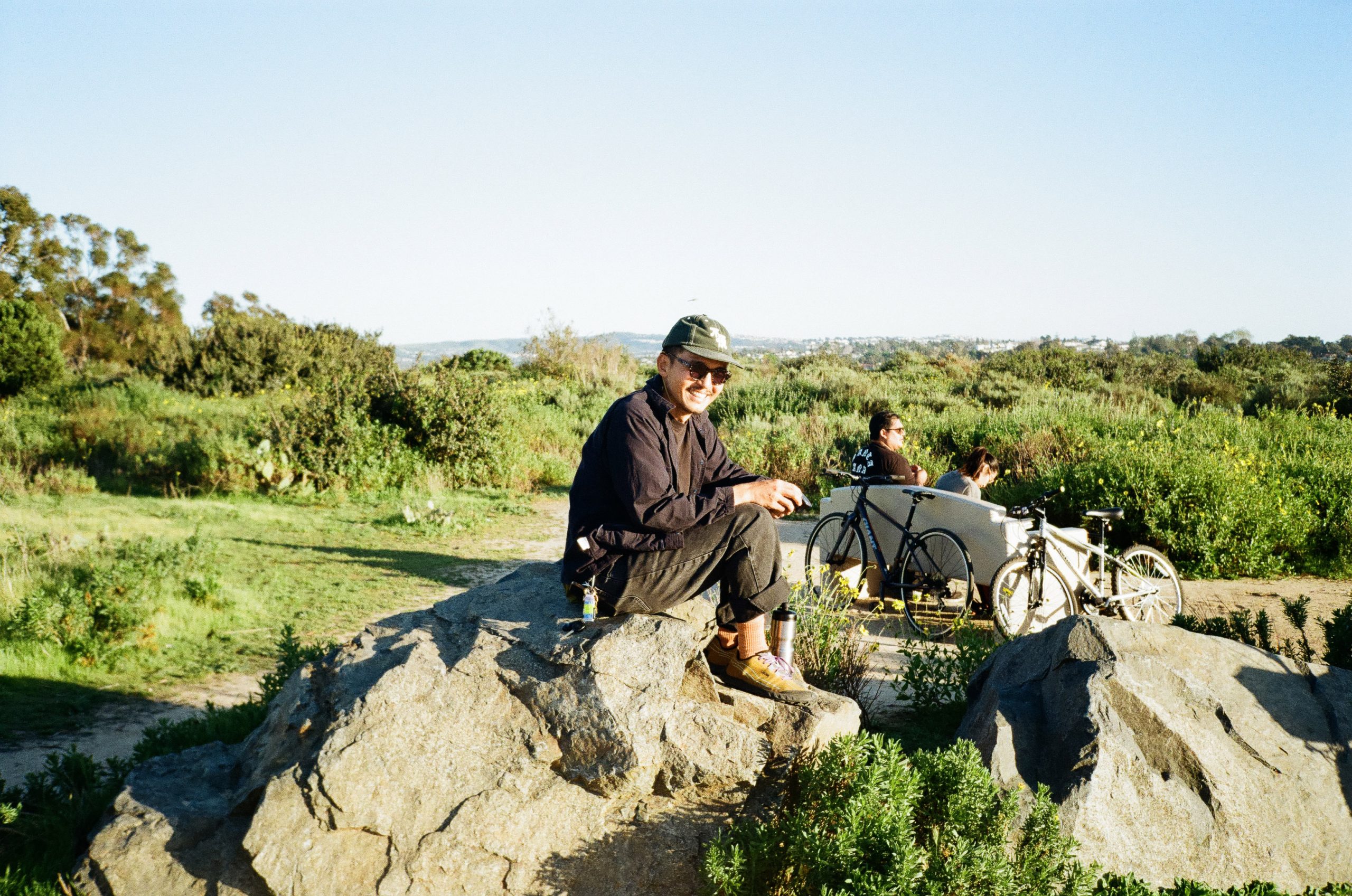
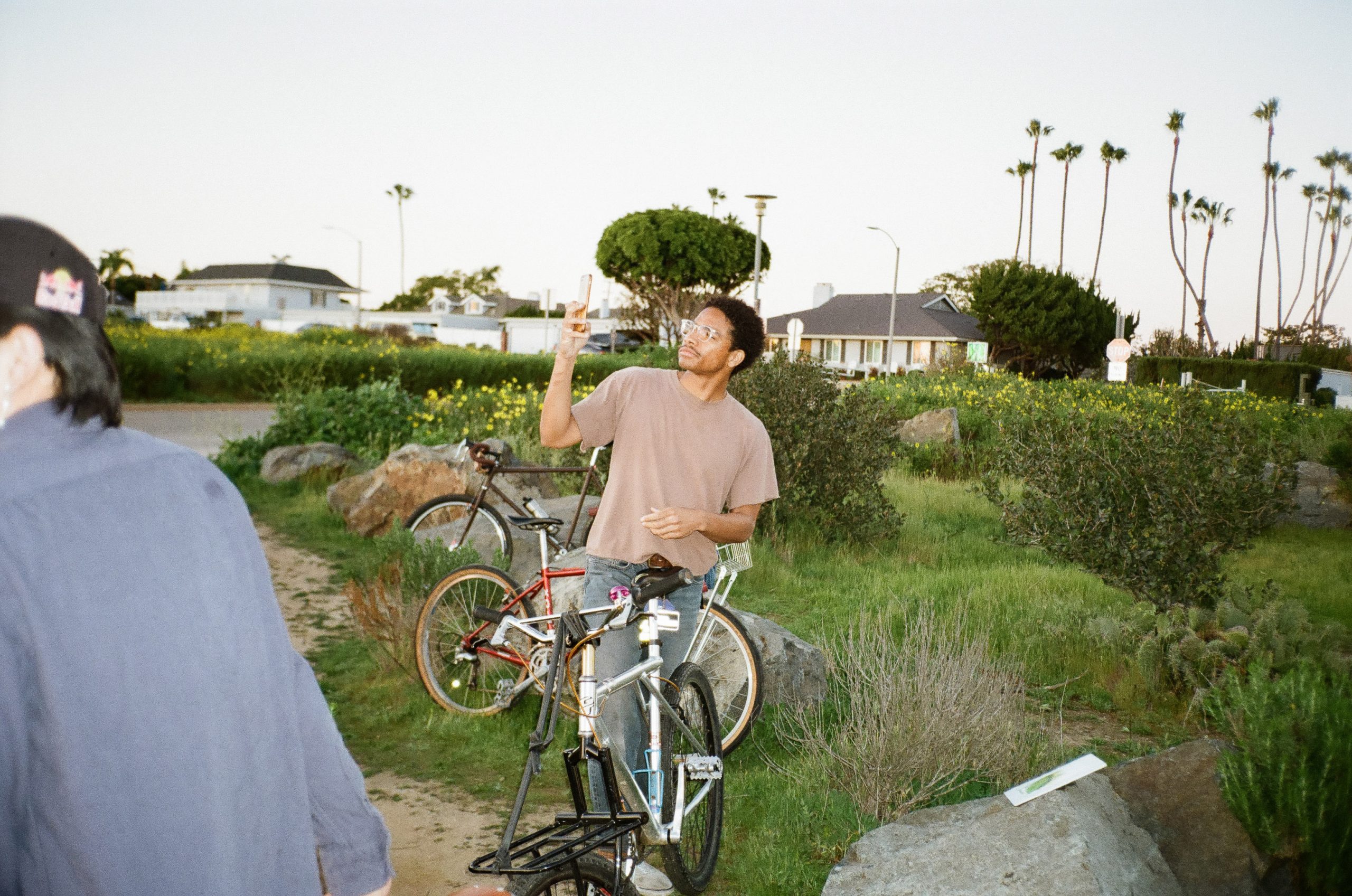
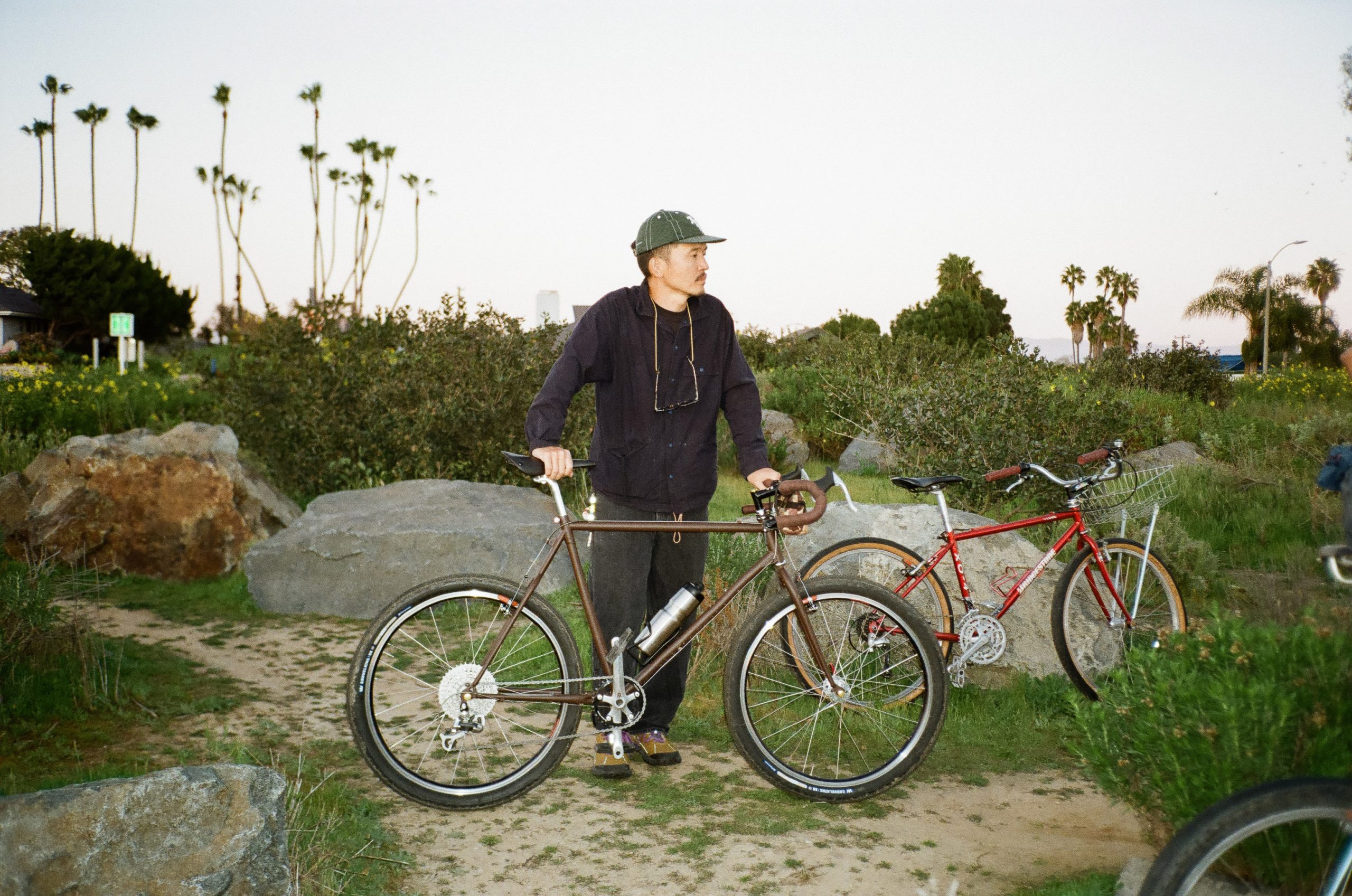
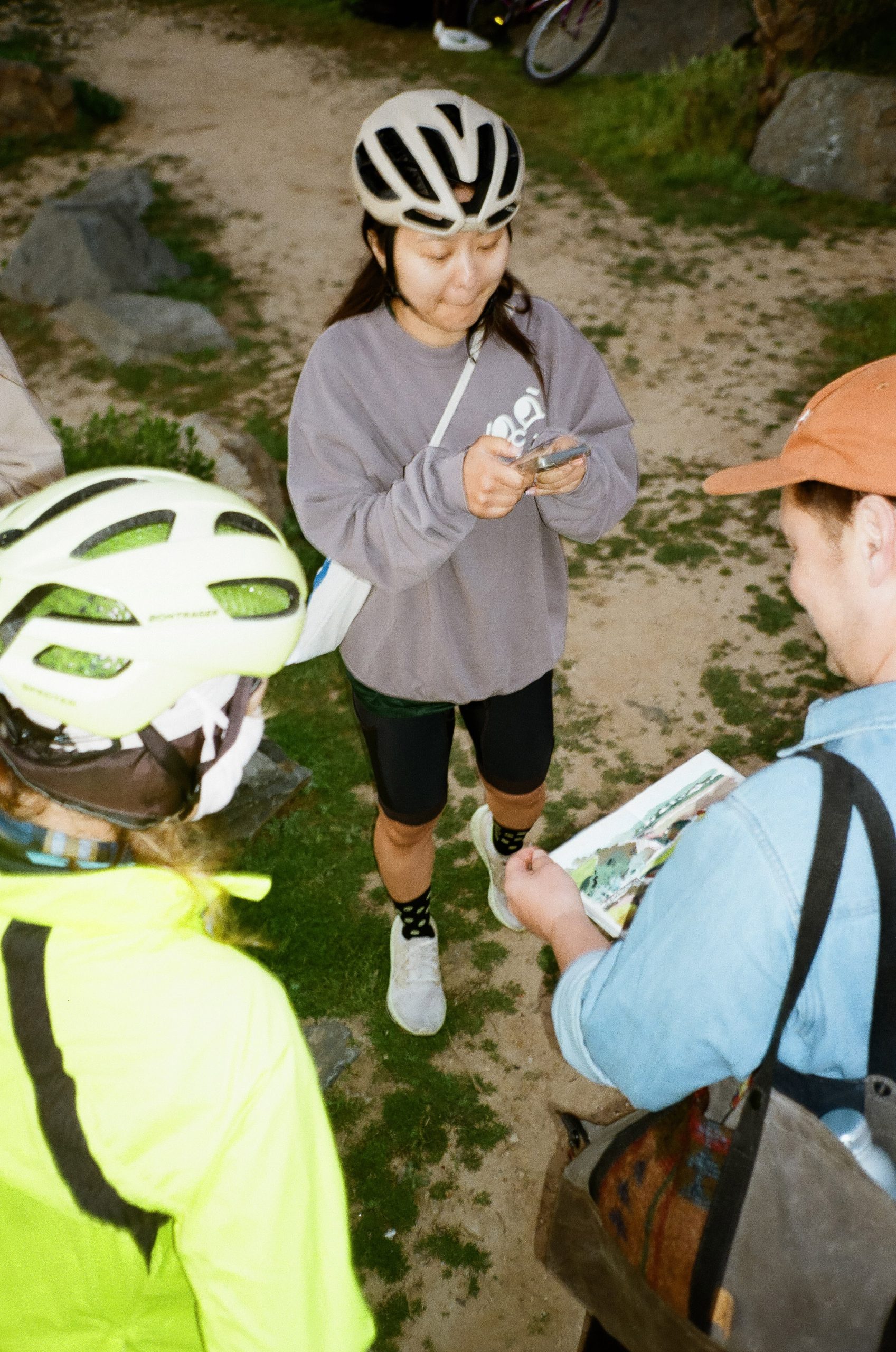
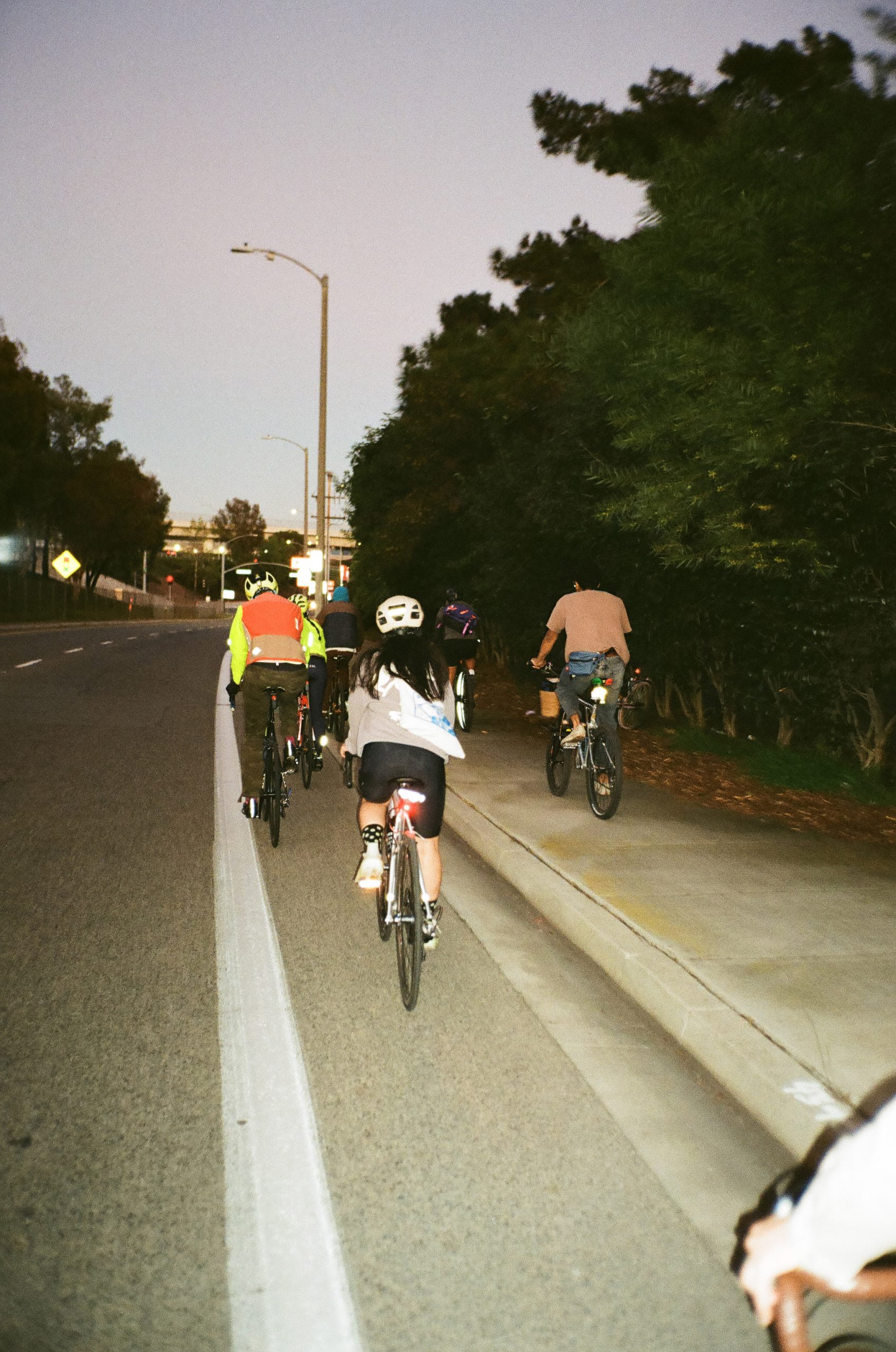
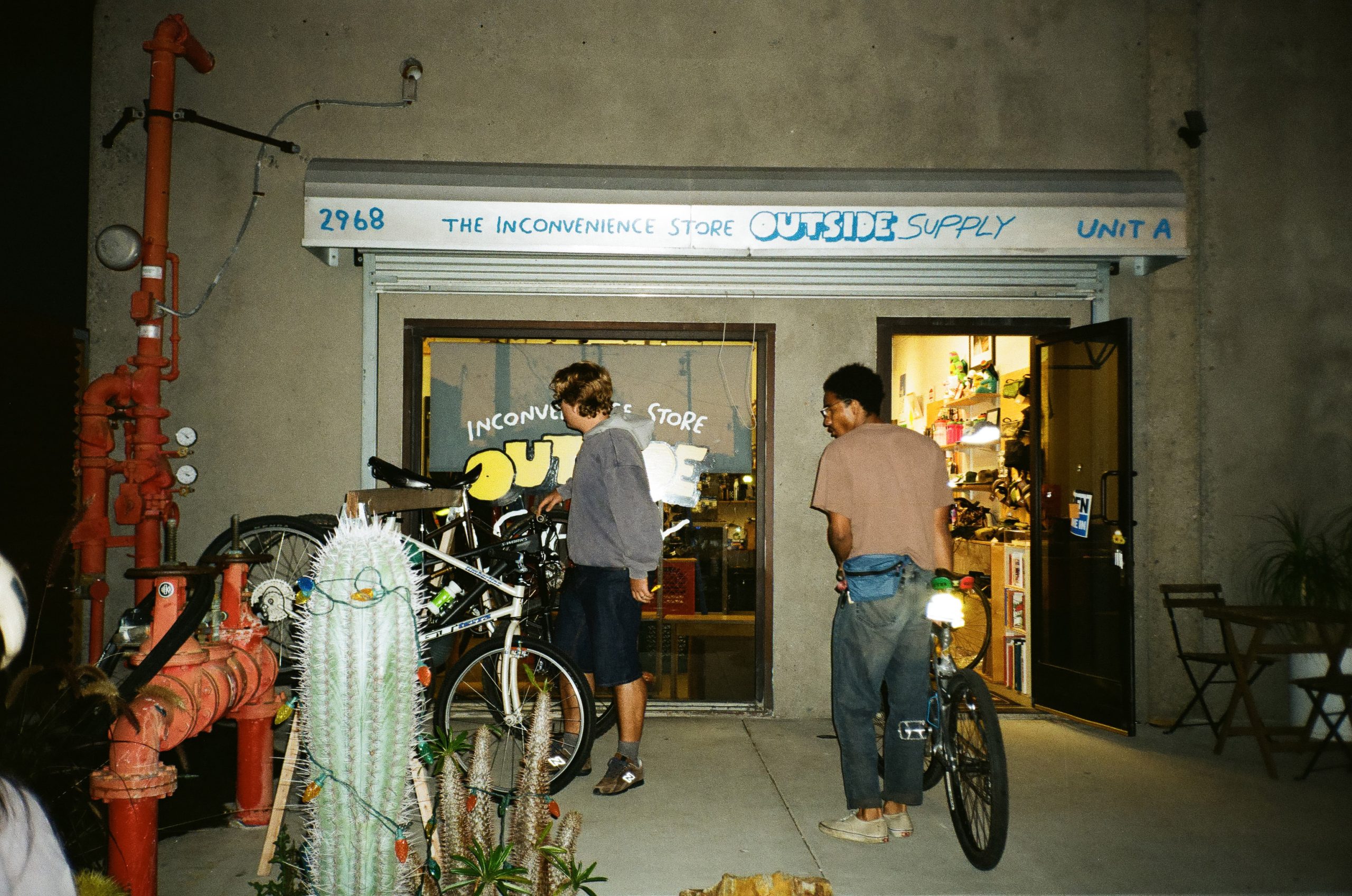
For our first ride, we chose sunny southern California. The fine folks at Outside Supply in Costa Mesa provided the ideal beginning, and about 25 set off from the store.
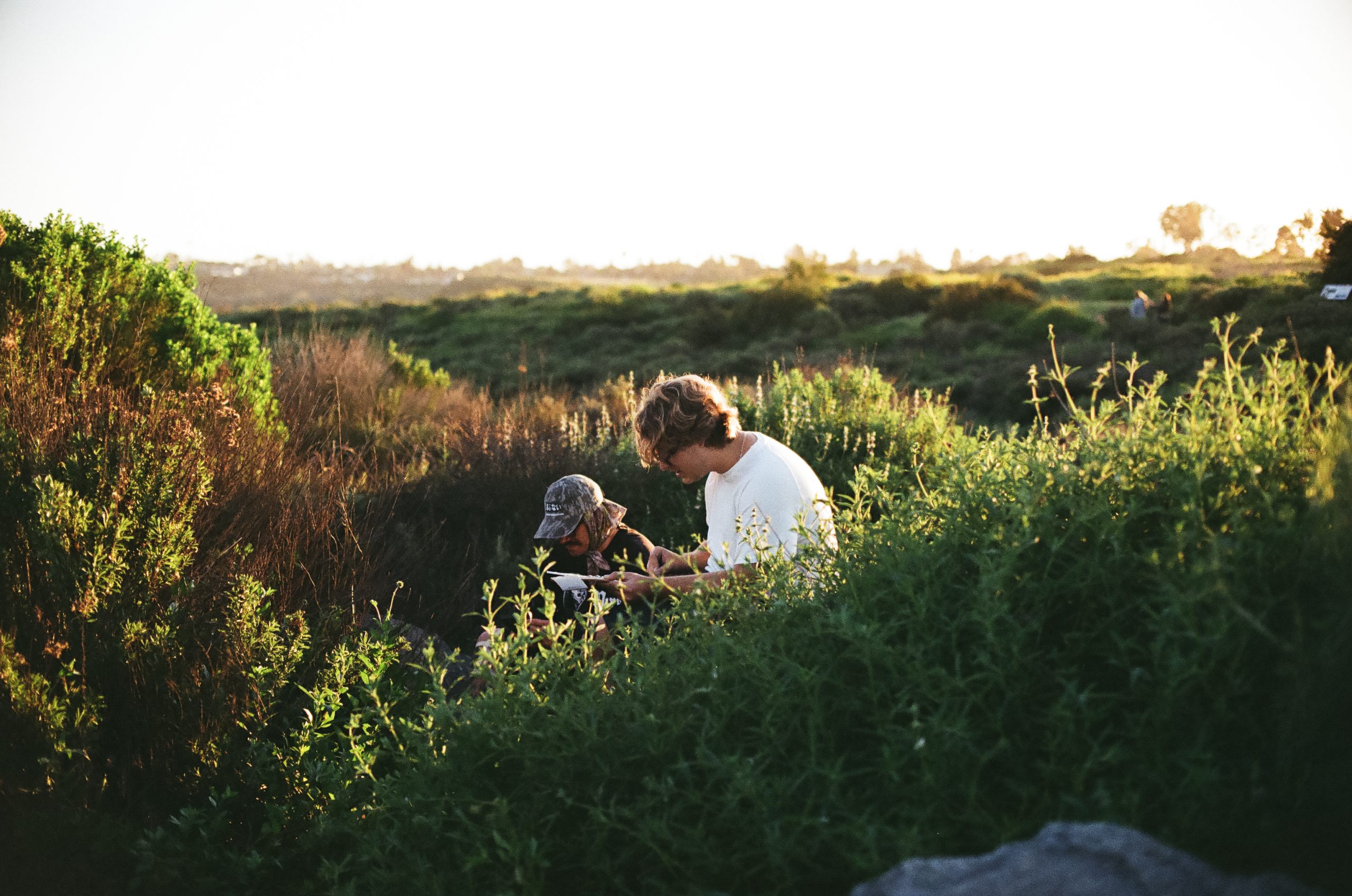
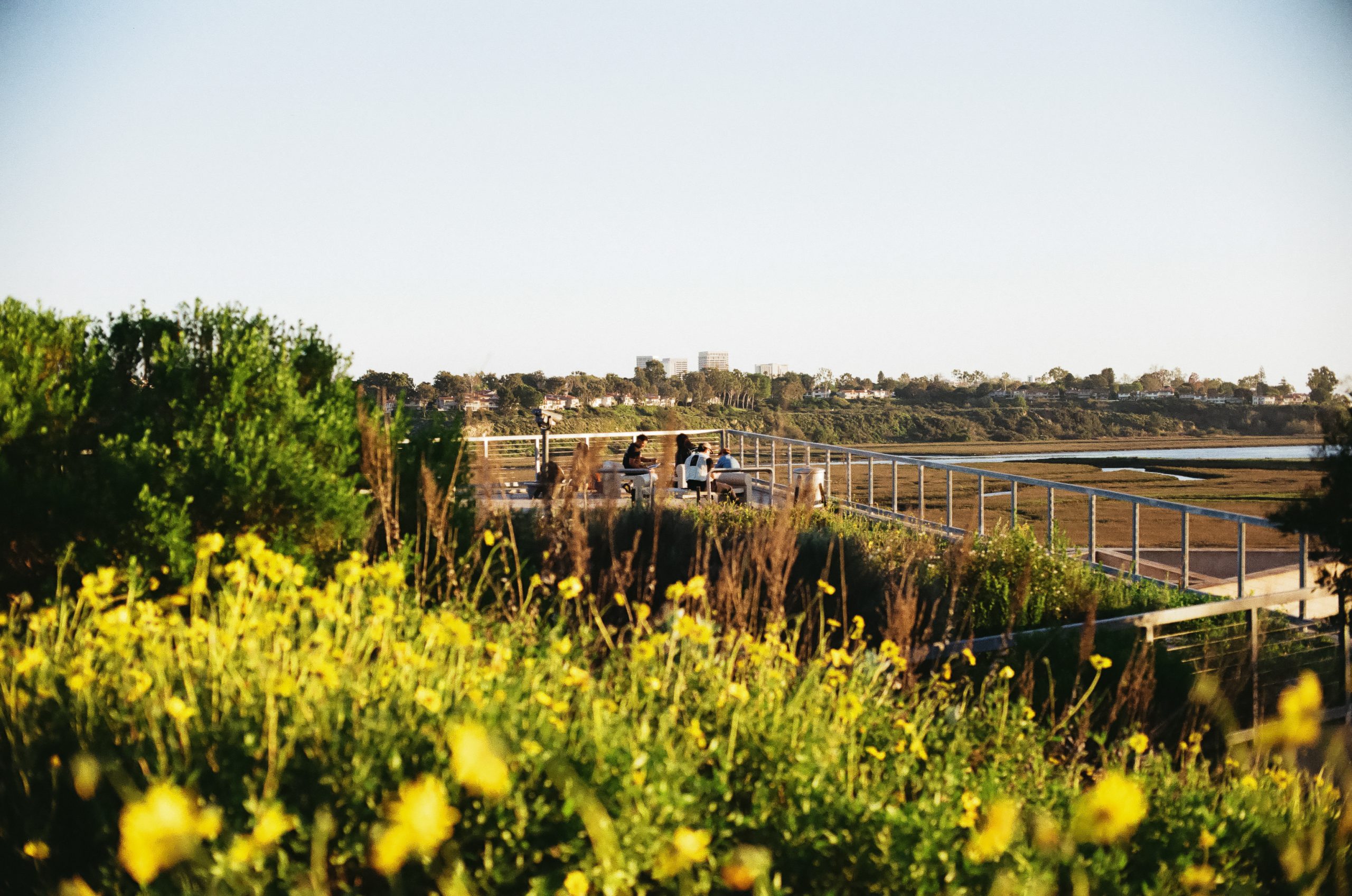
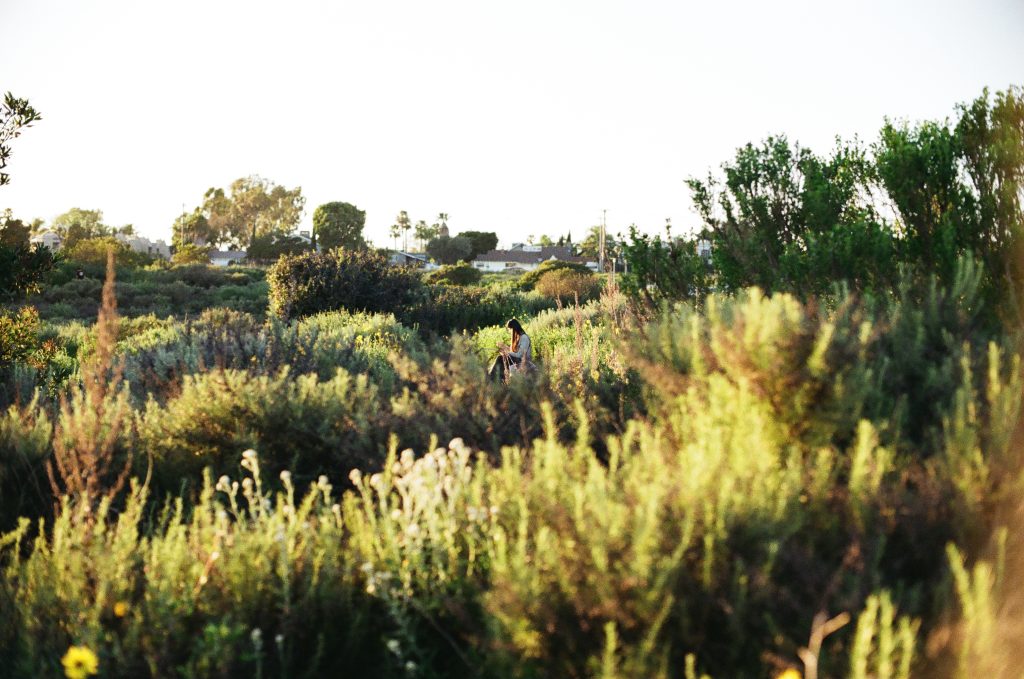
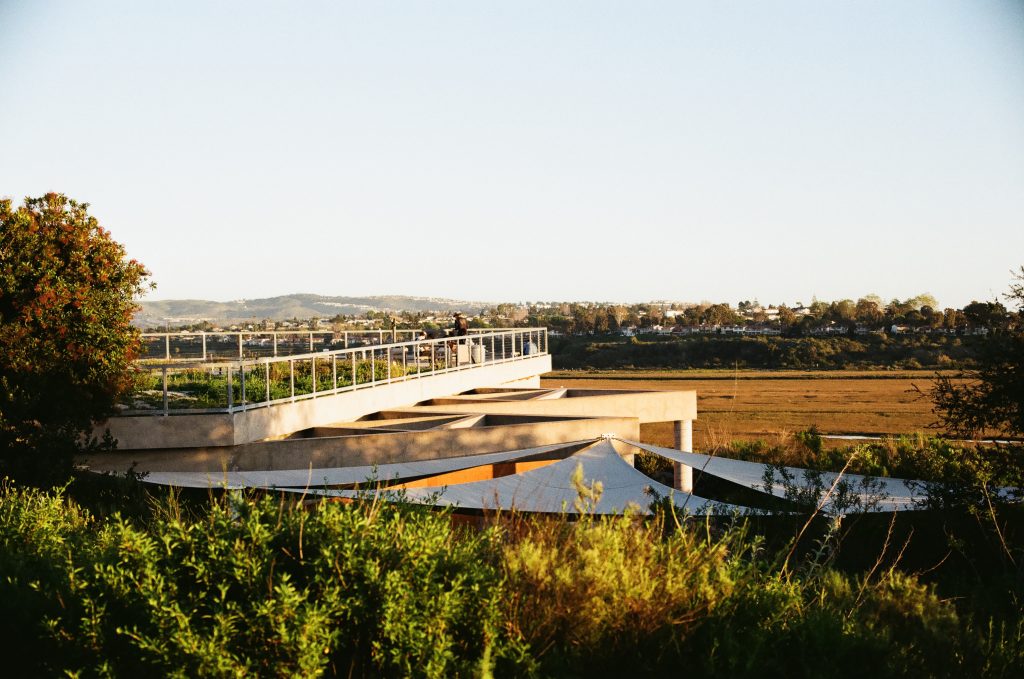
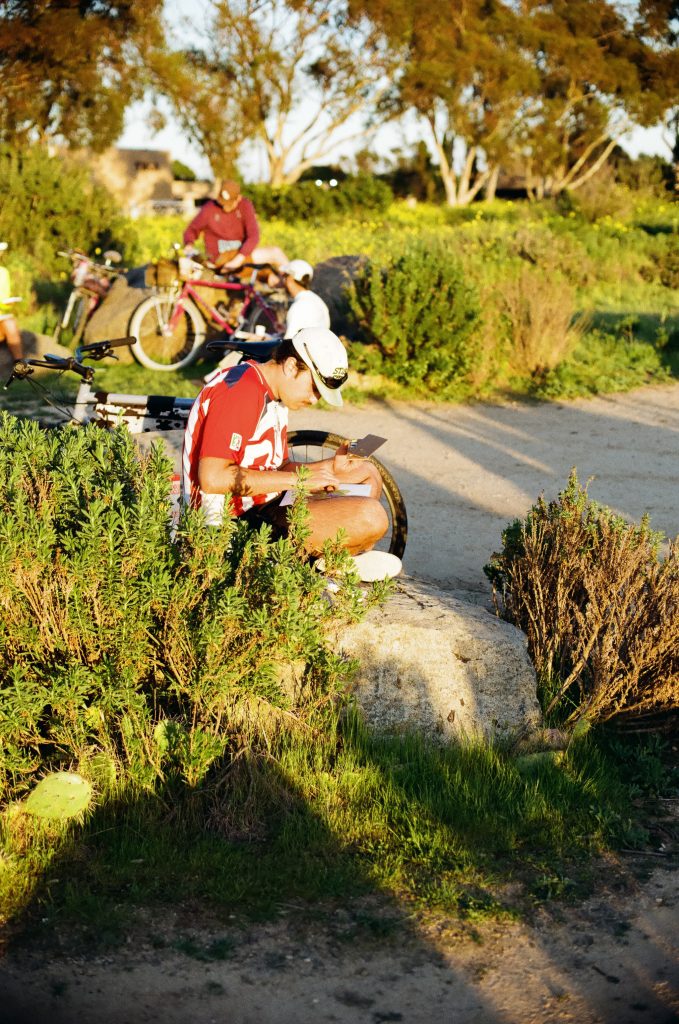
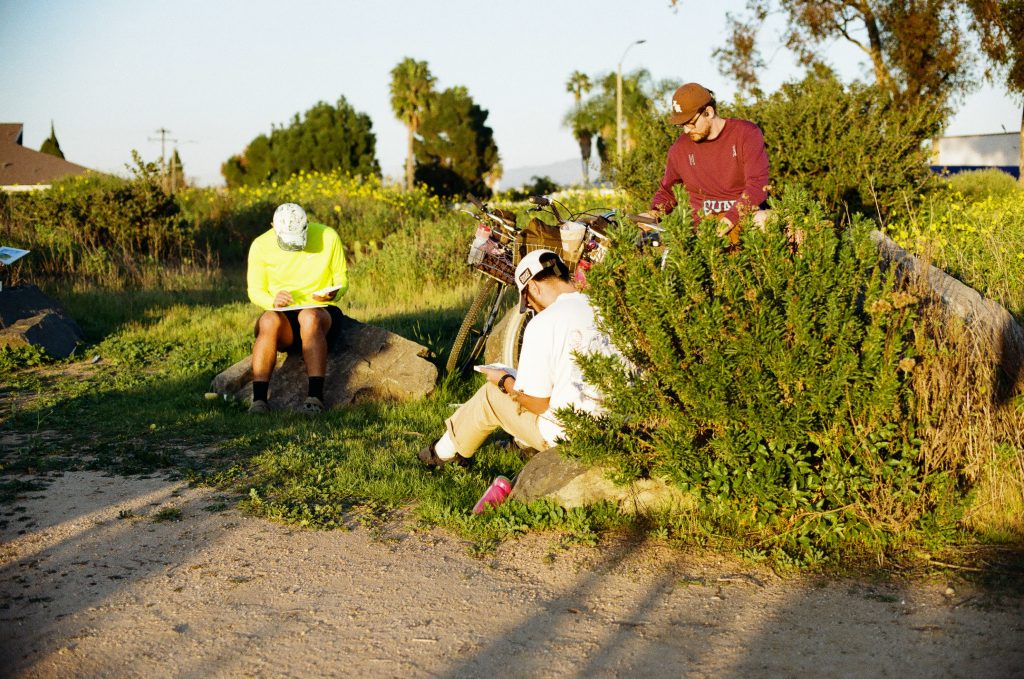
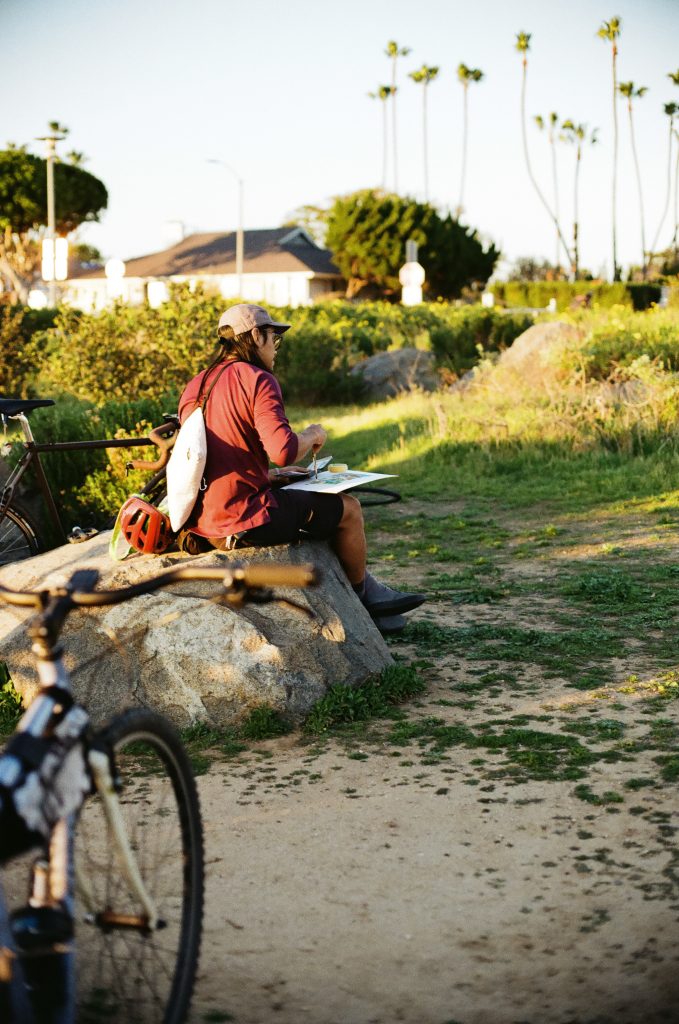
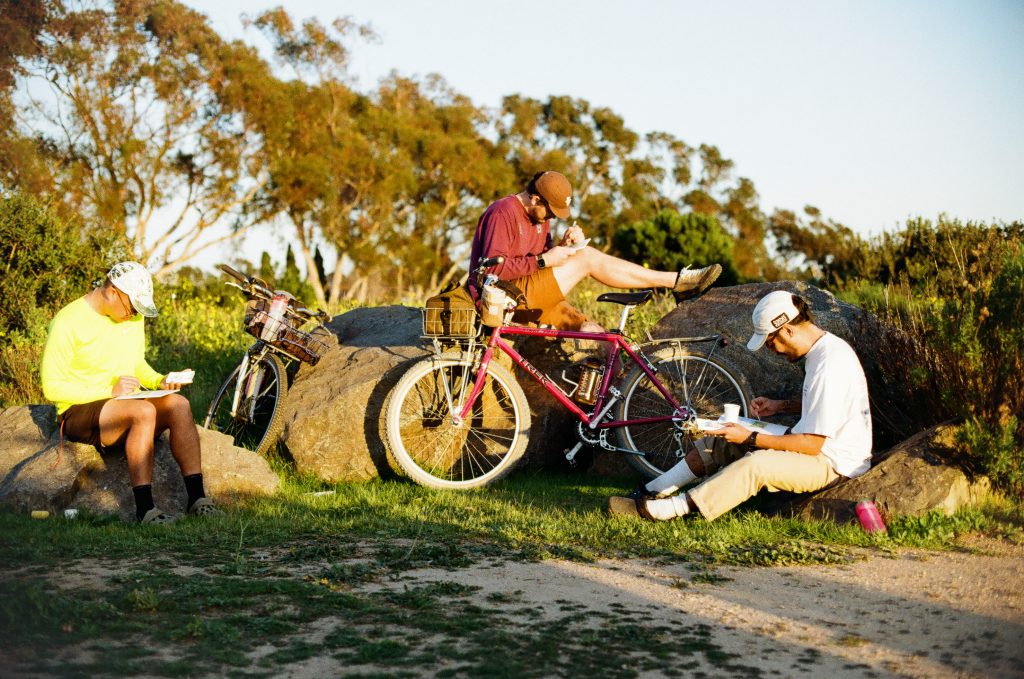
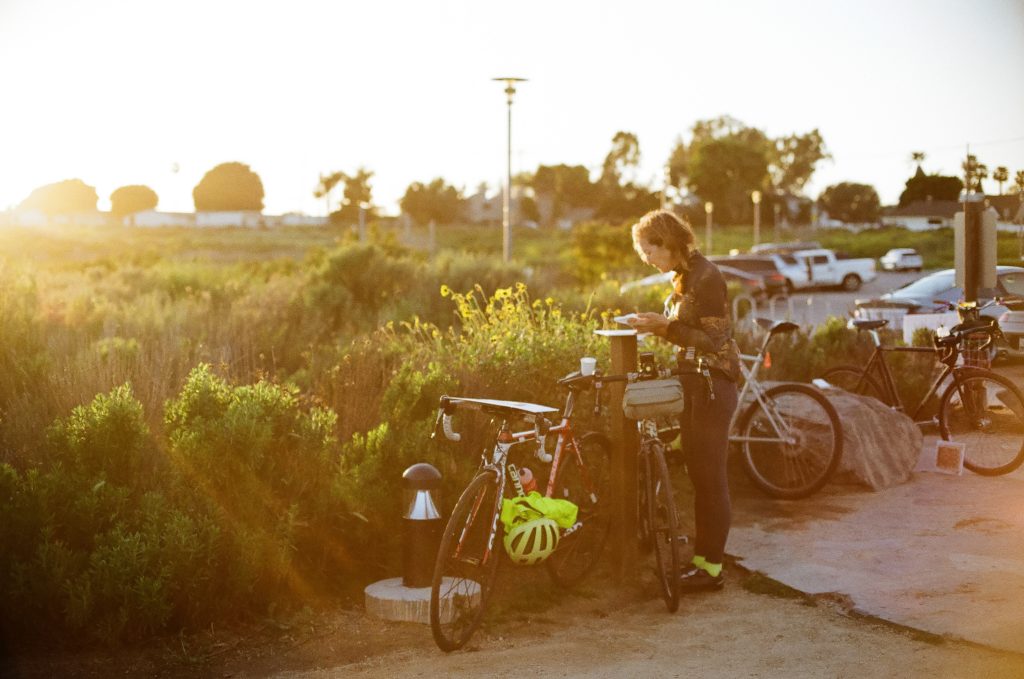
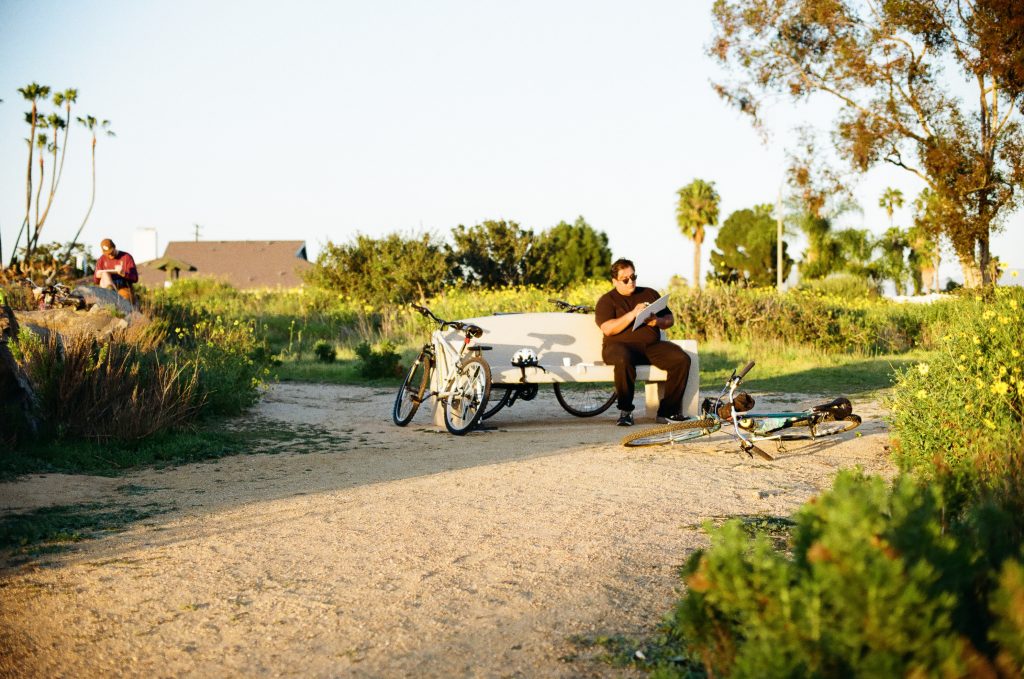
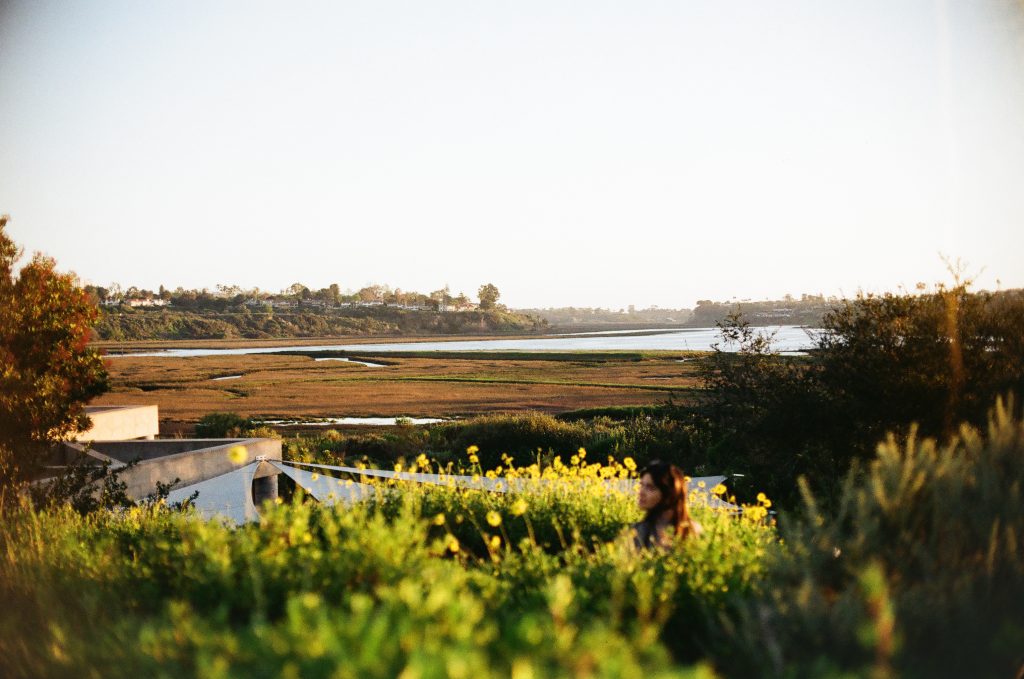
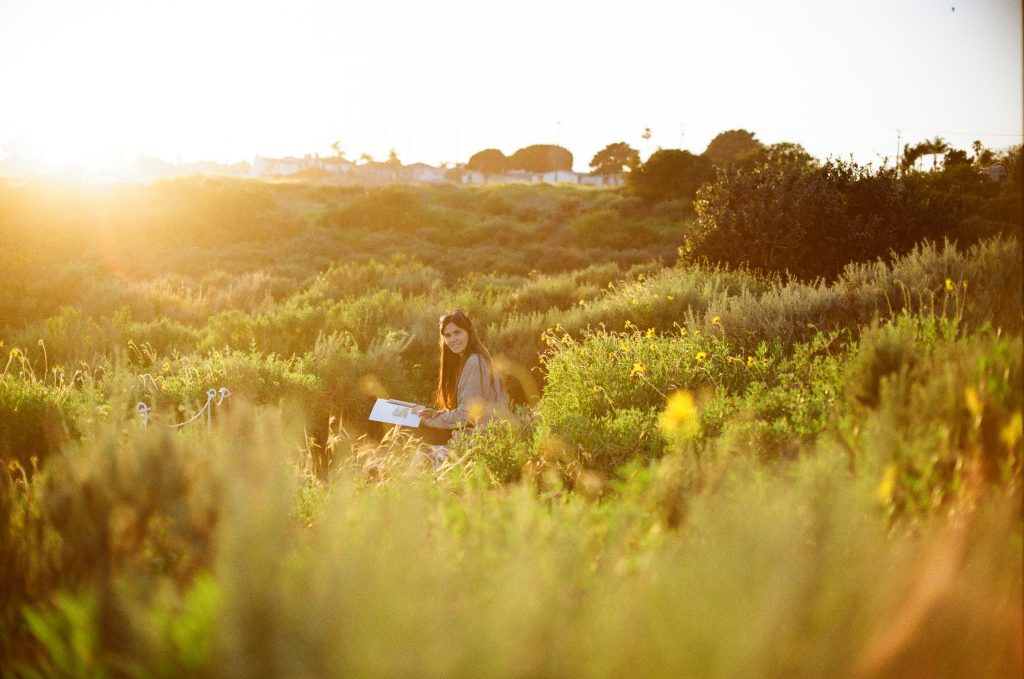
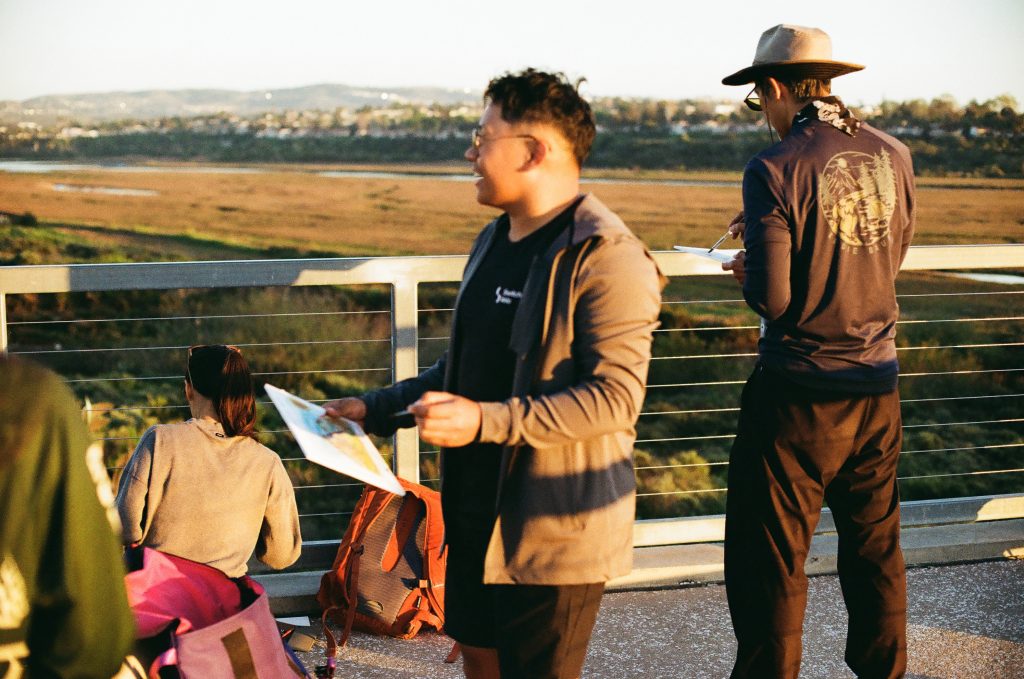
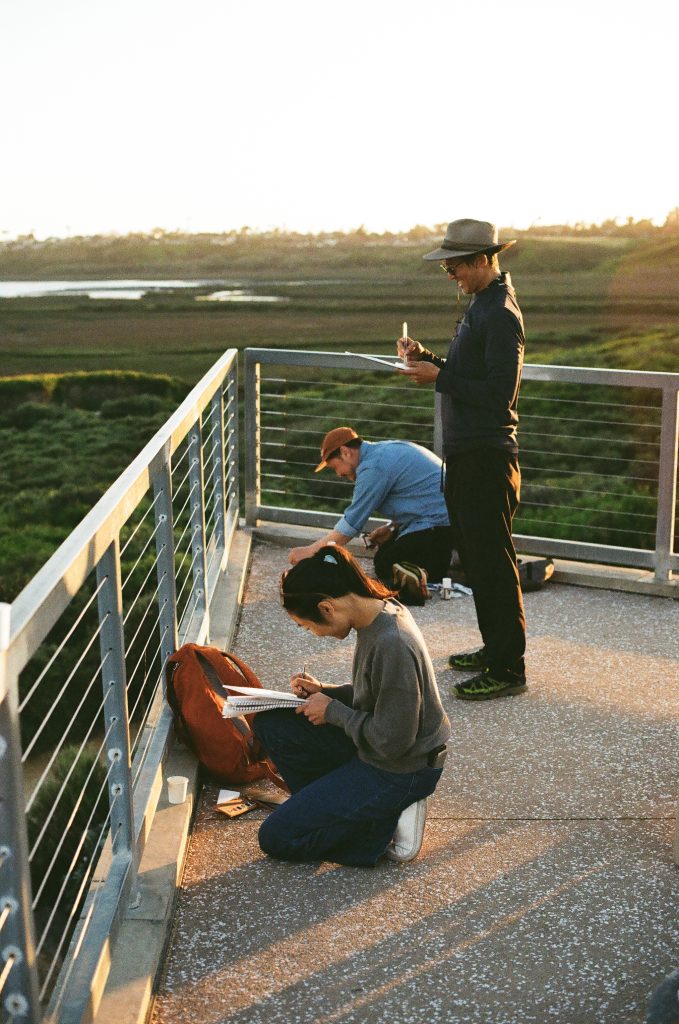
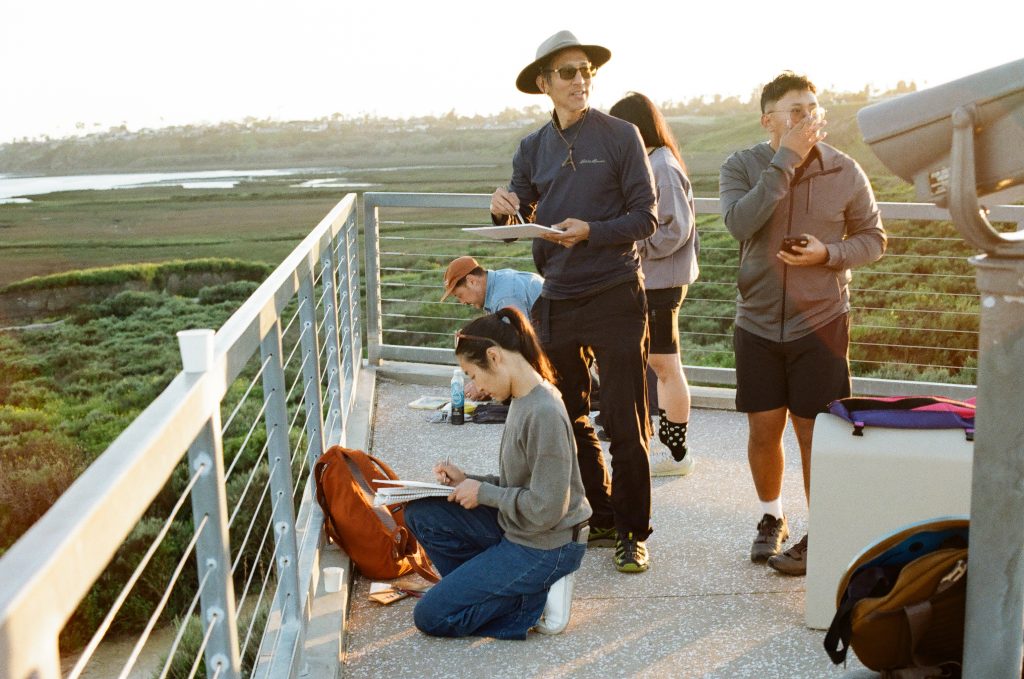
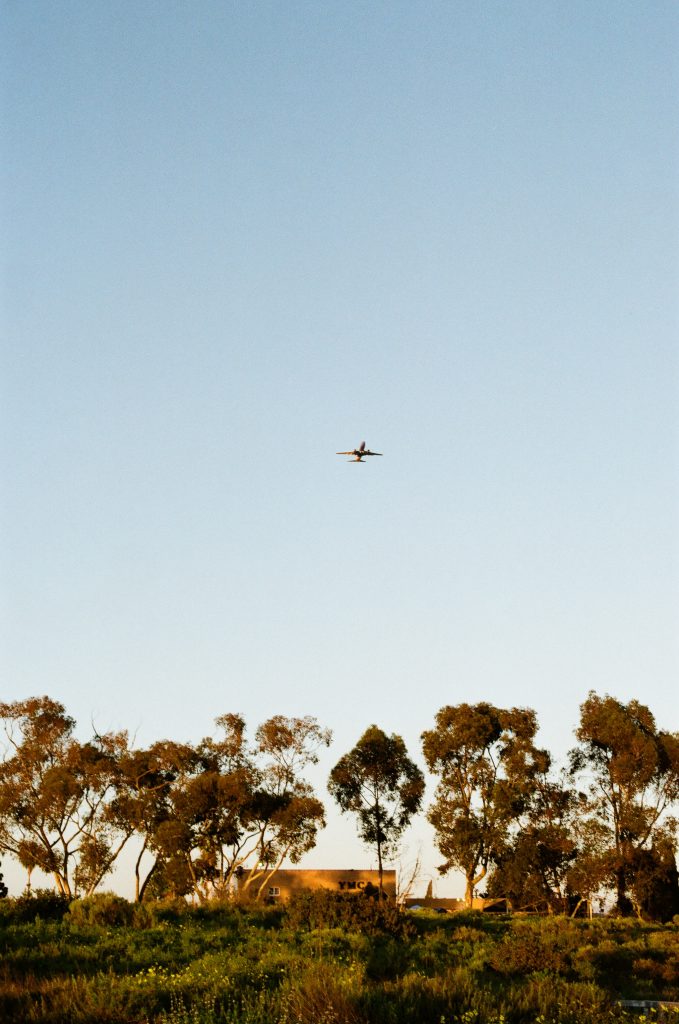
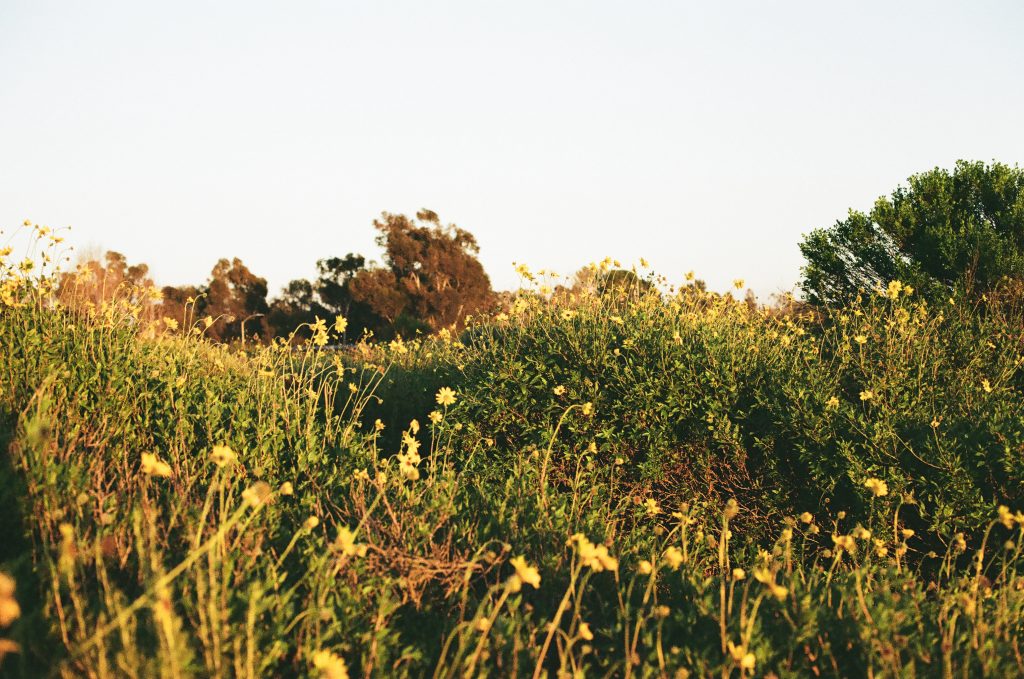
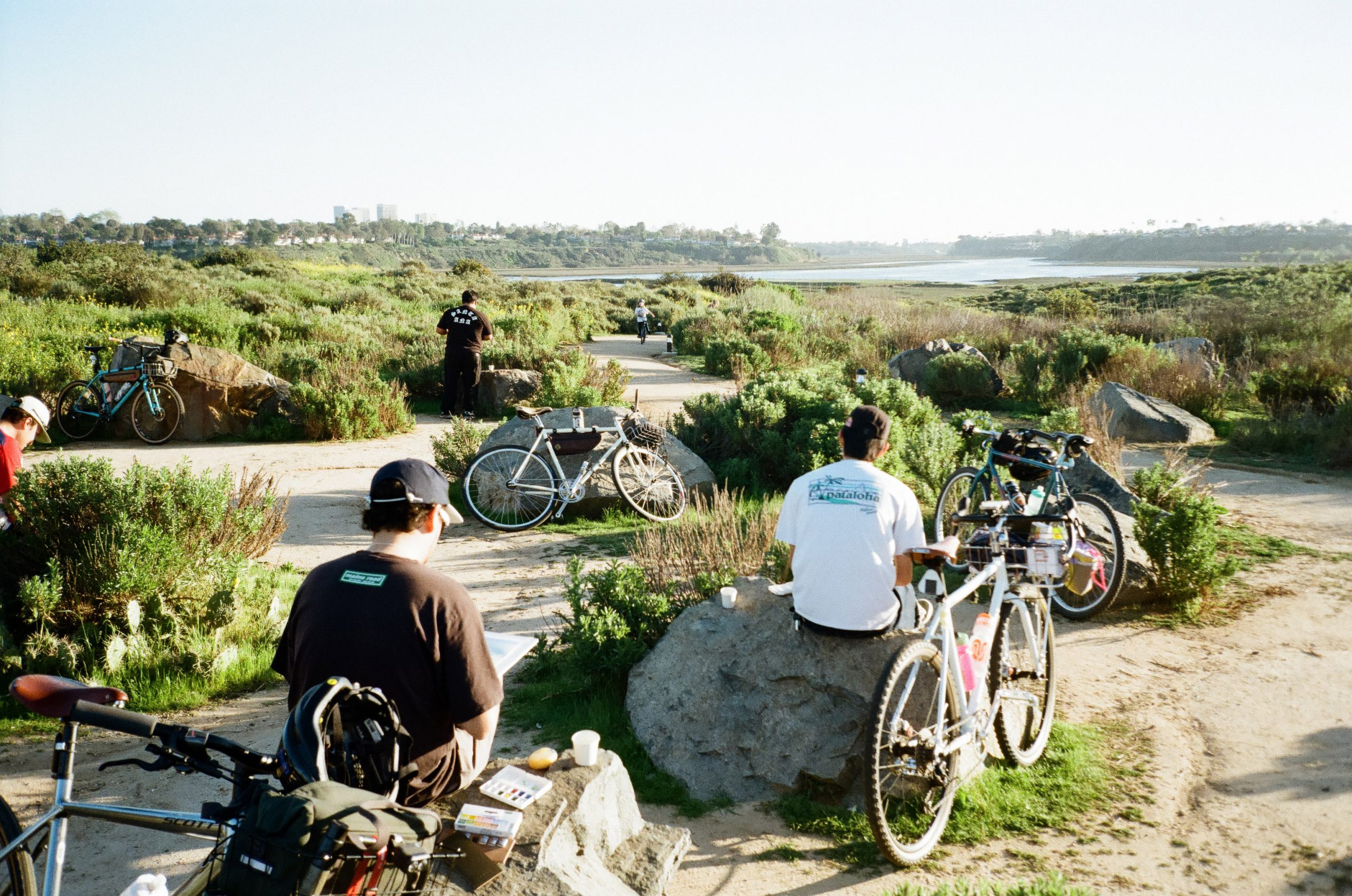
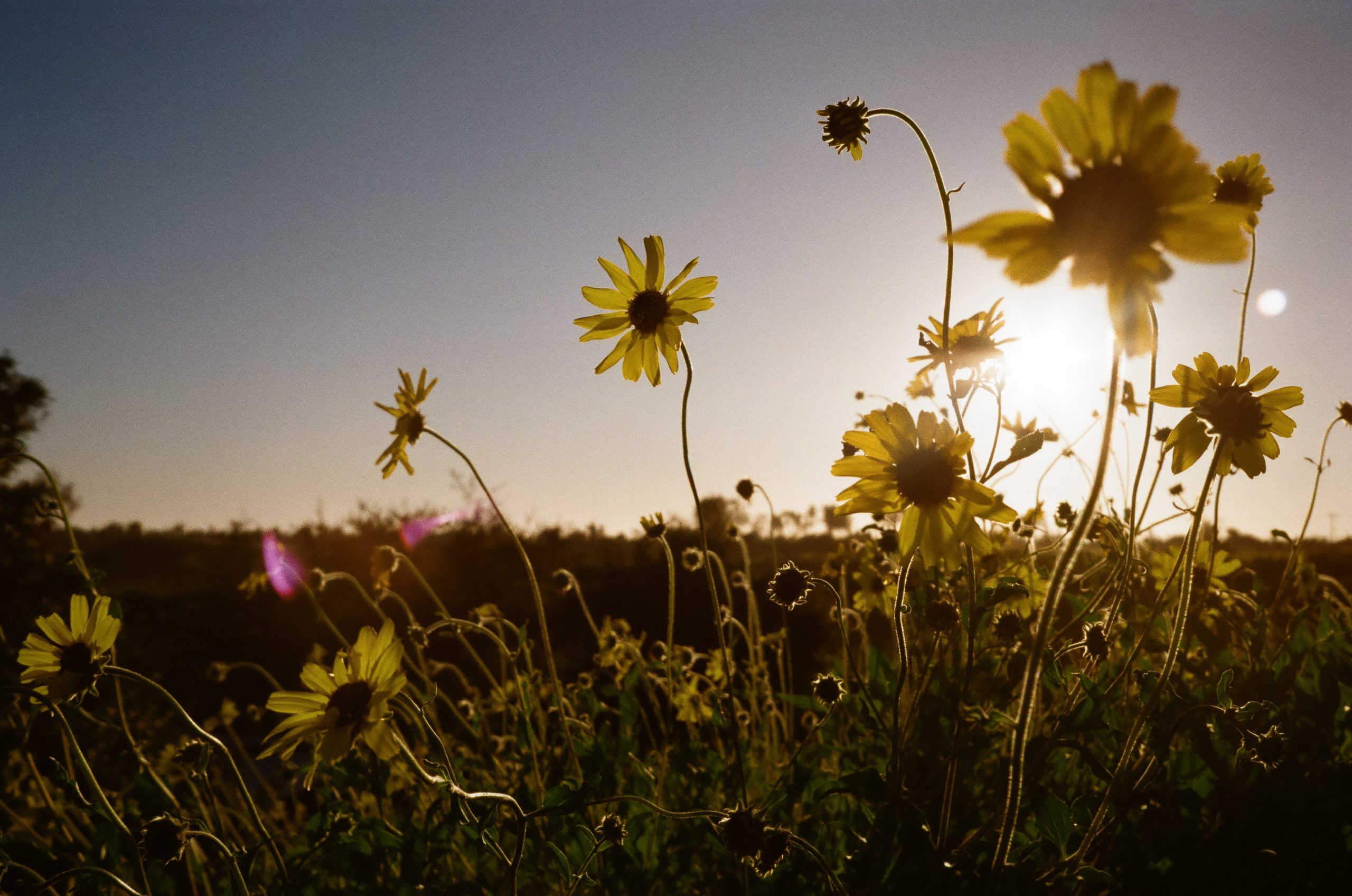
We soon arrived at The Peter & Mary Muth Interpretive Center, overlooking the Upper Newport Bay Nature Preserve. At the heart of Orange County, this peaceful idyll makes a good spot to stop and reflect.
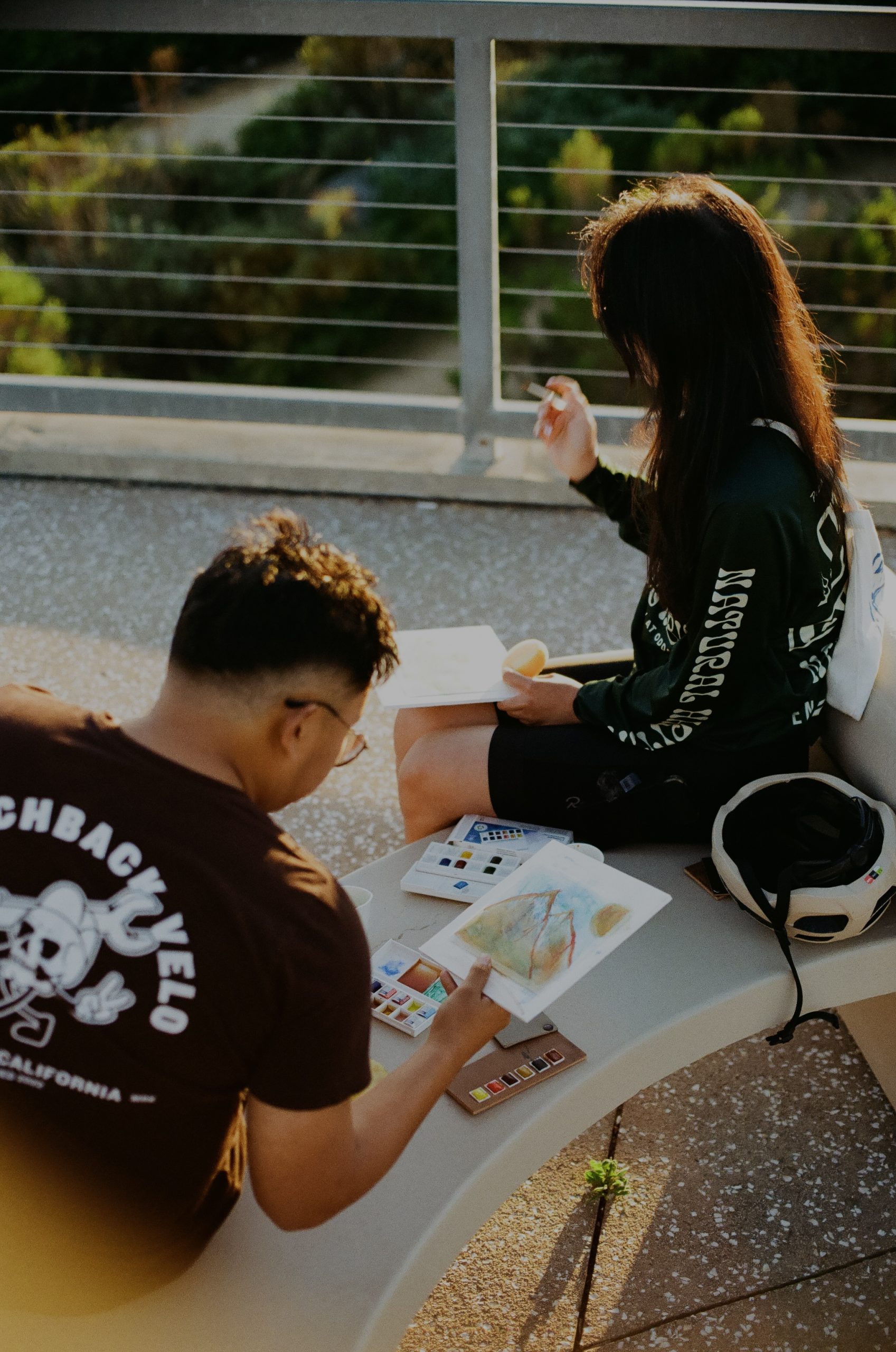
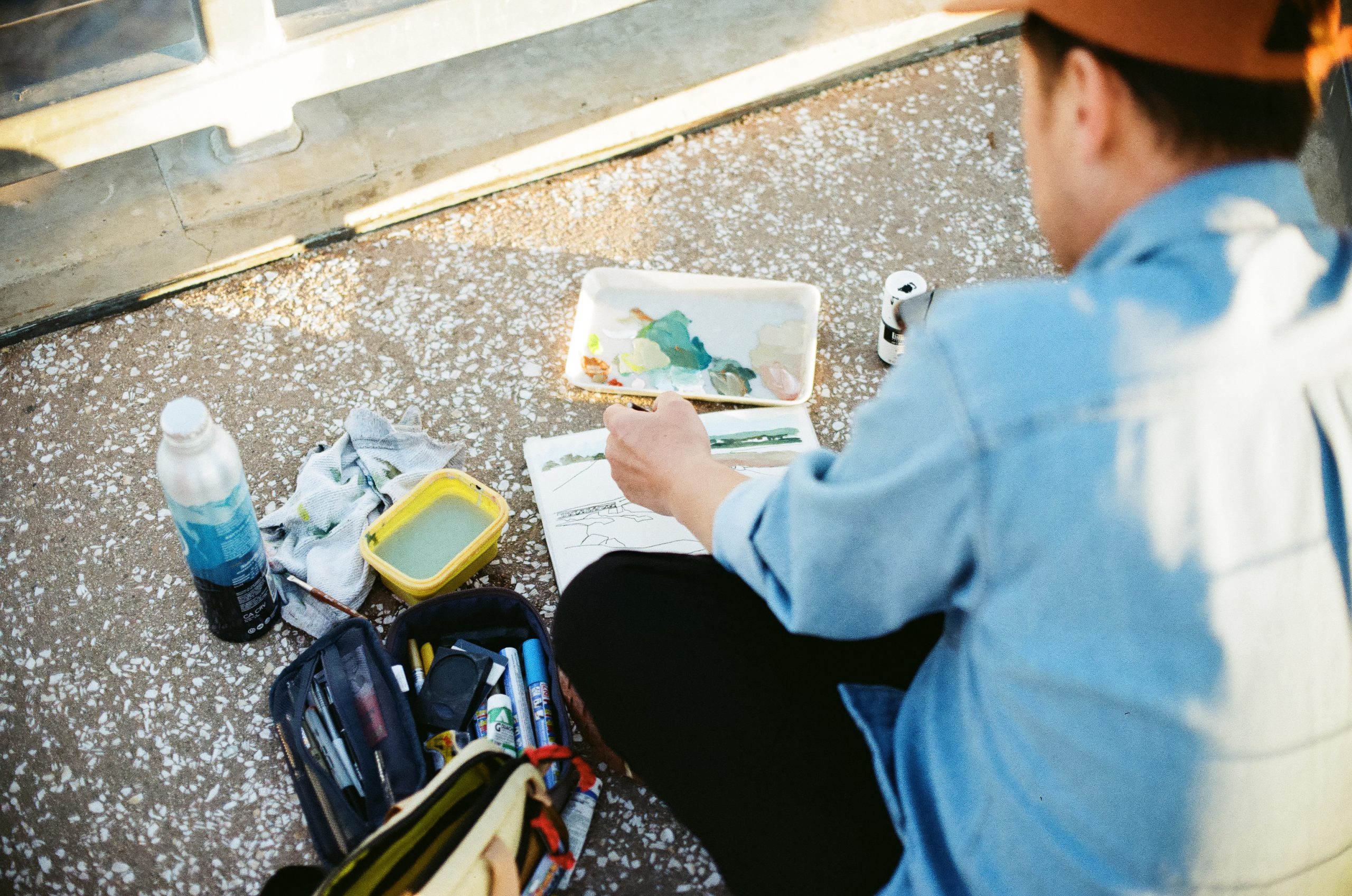
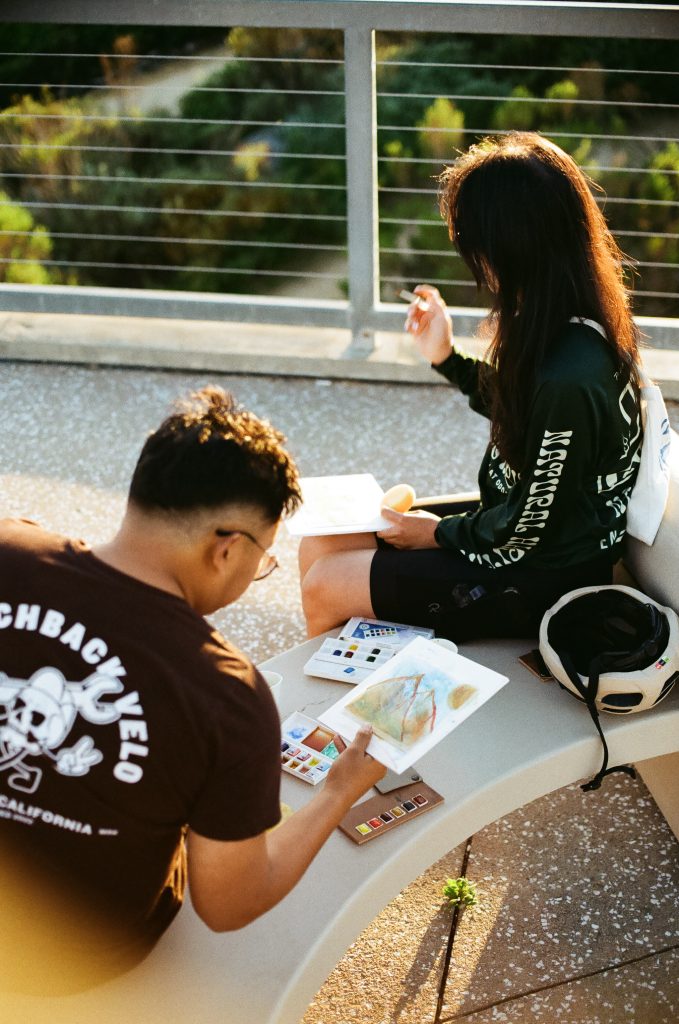
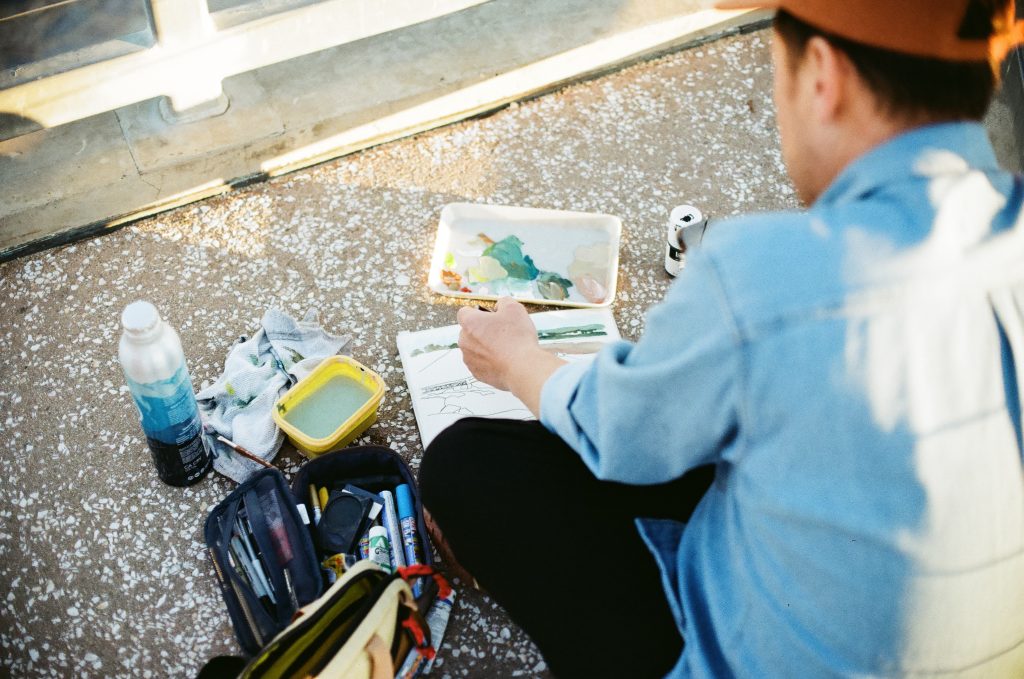
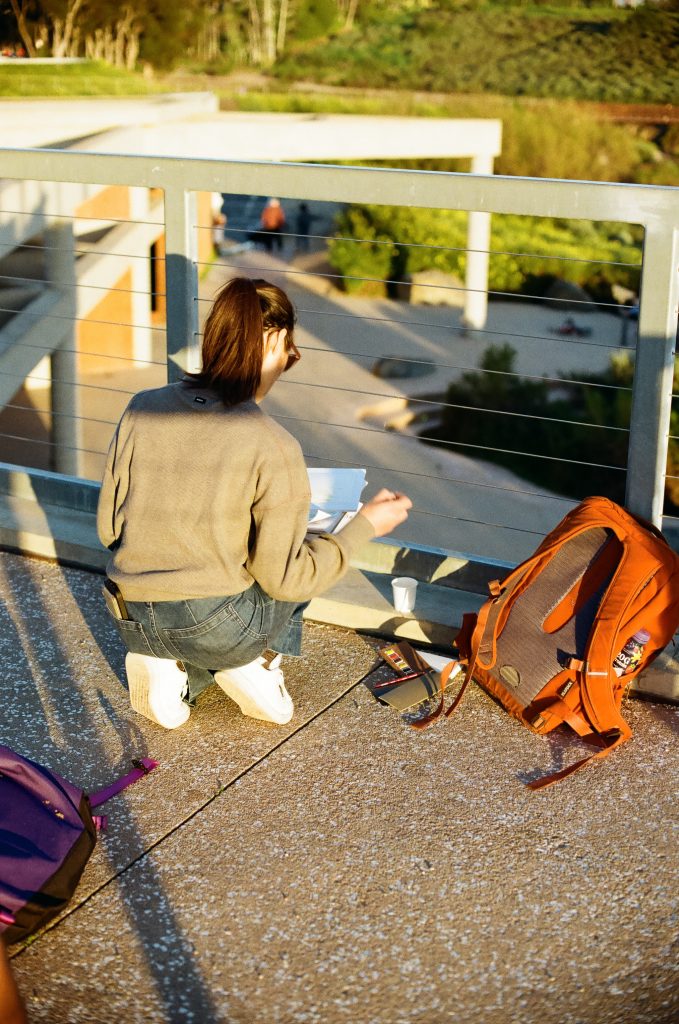
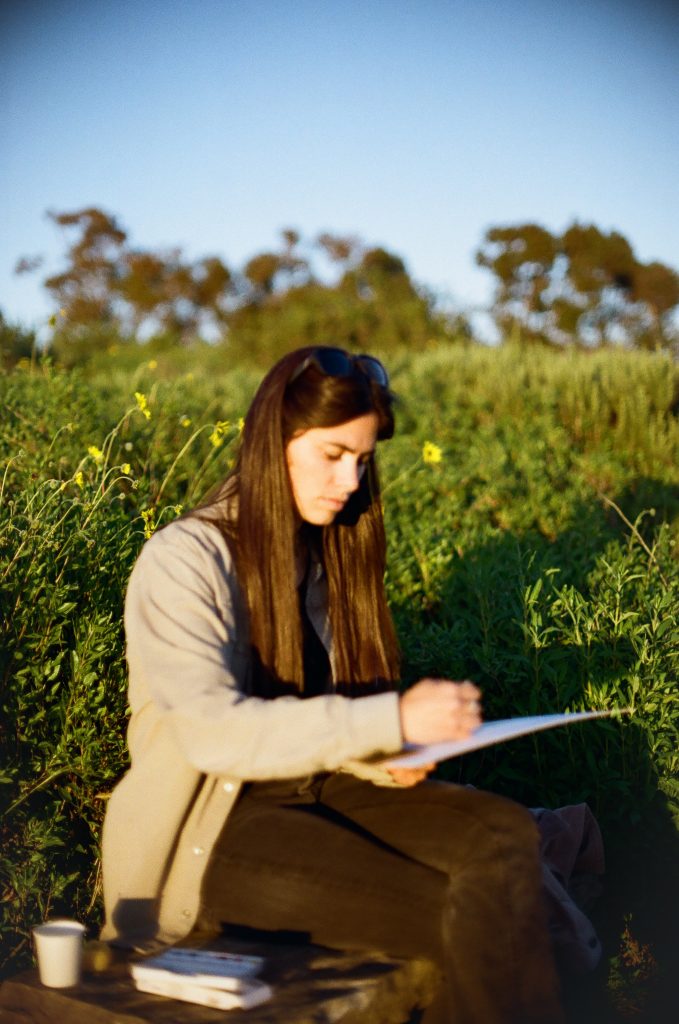
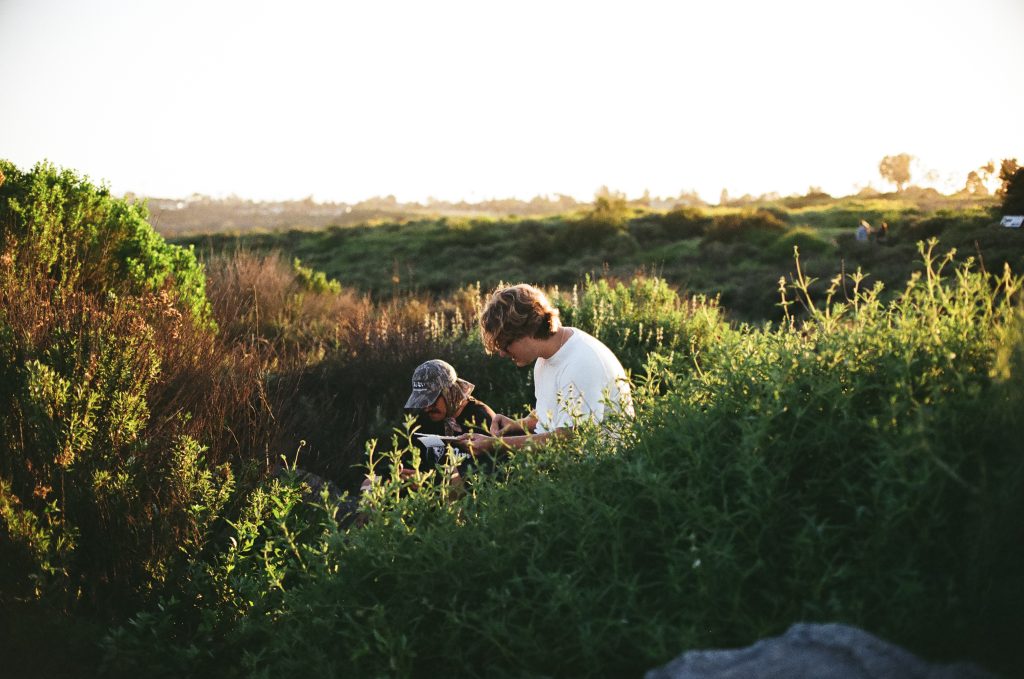
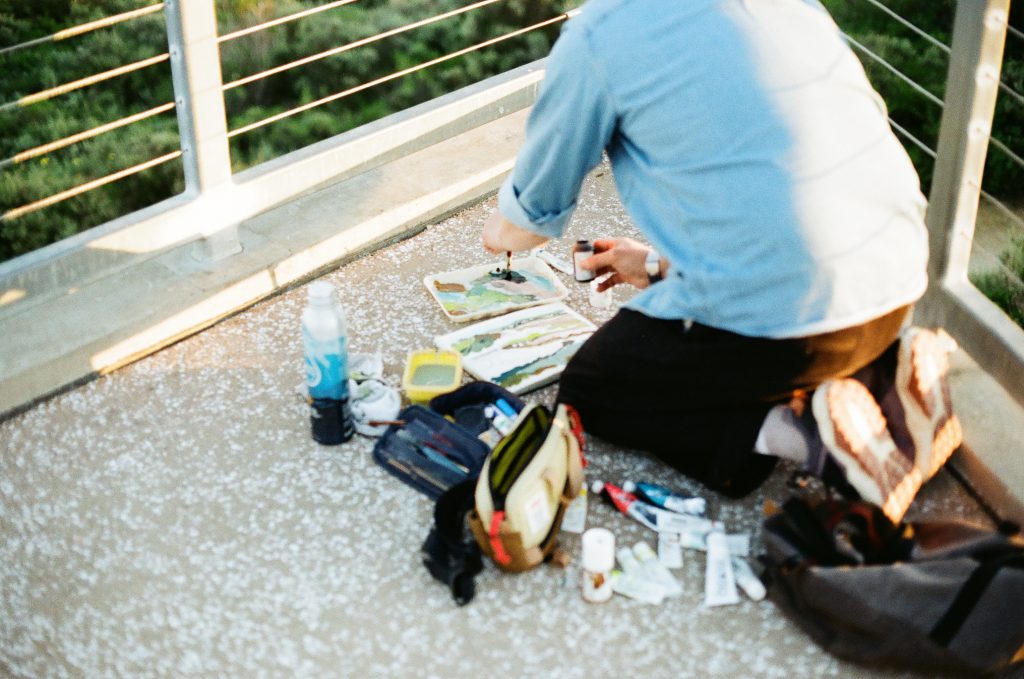
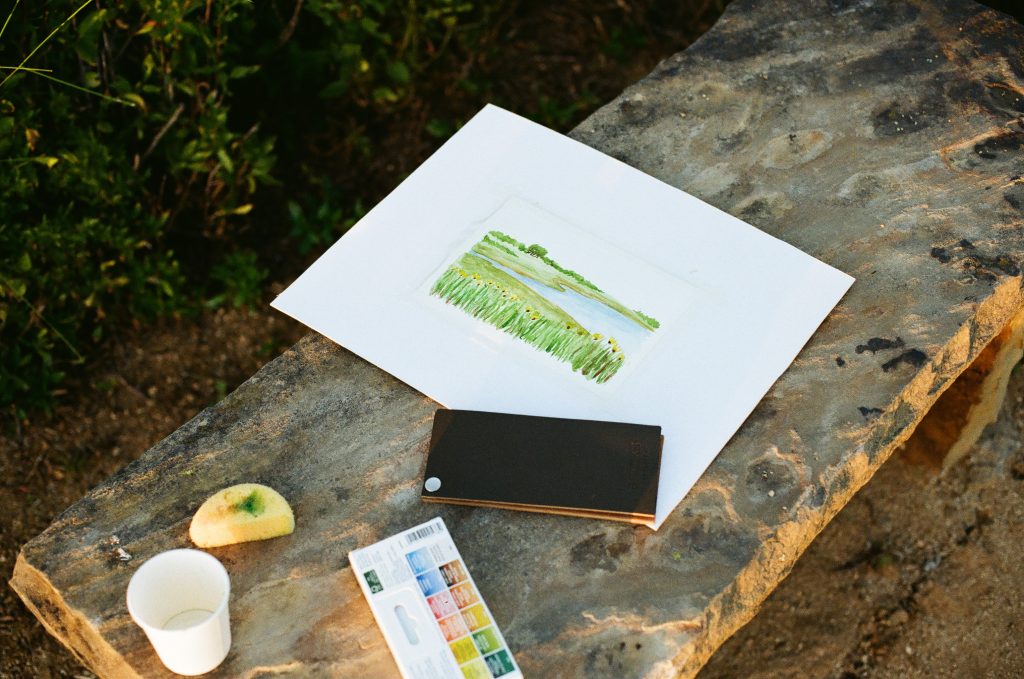
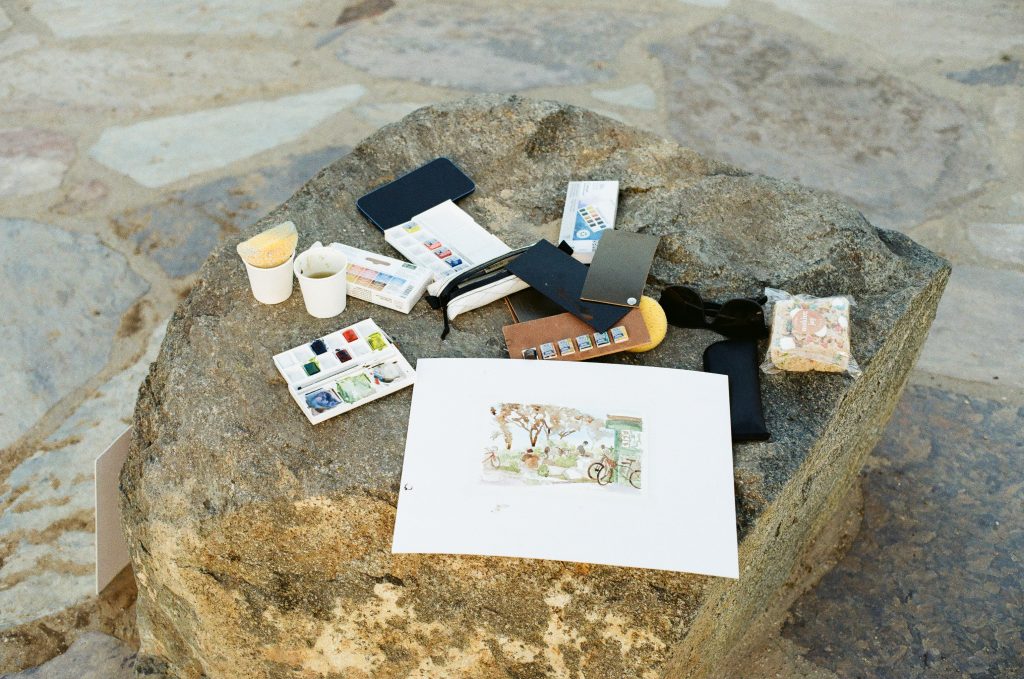
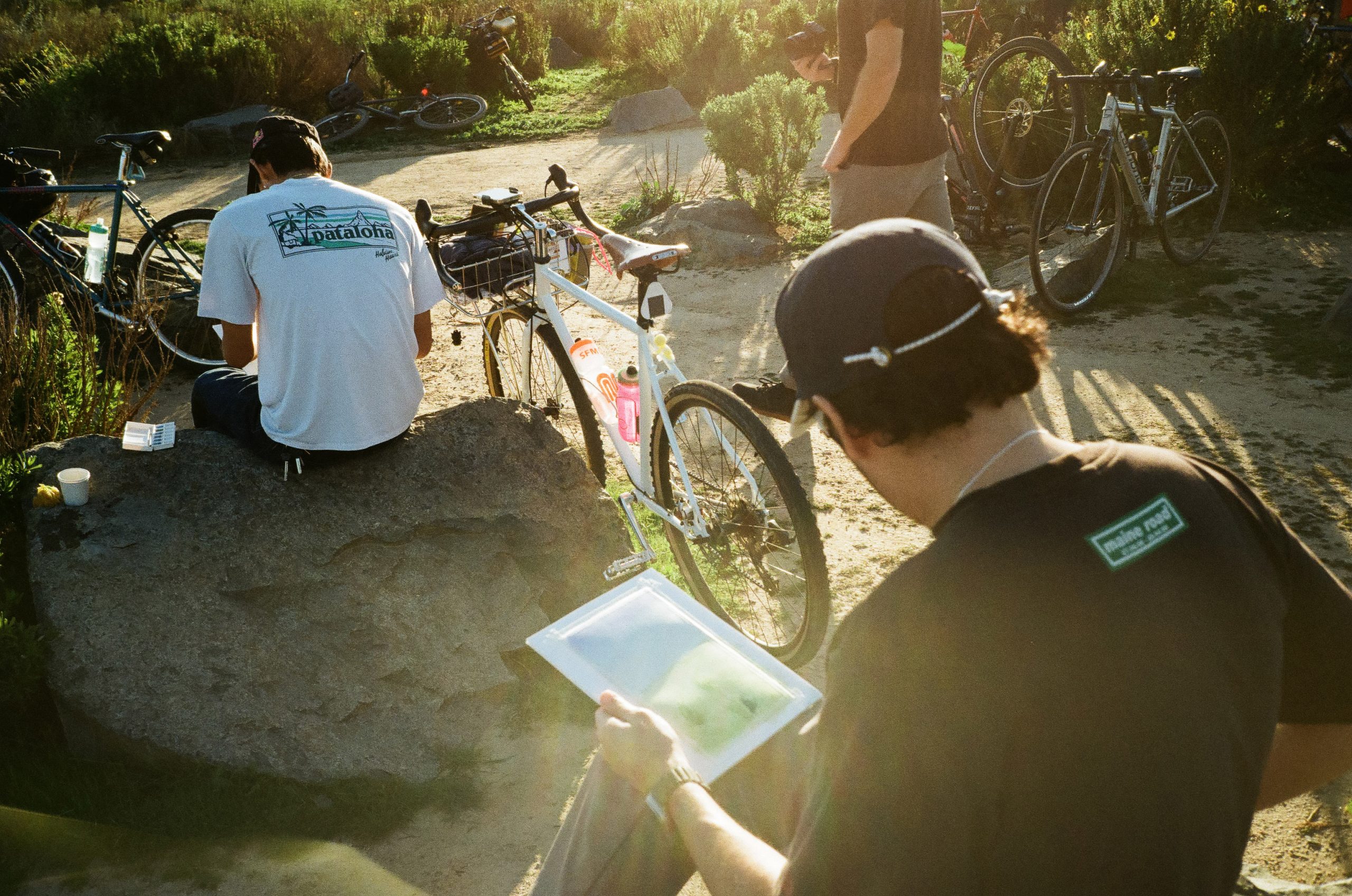
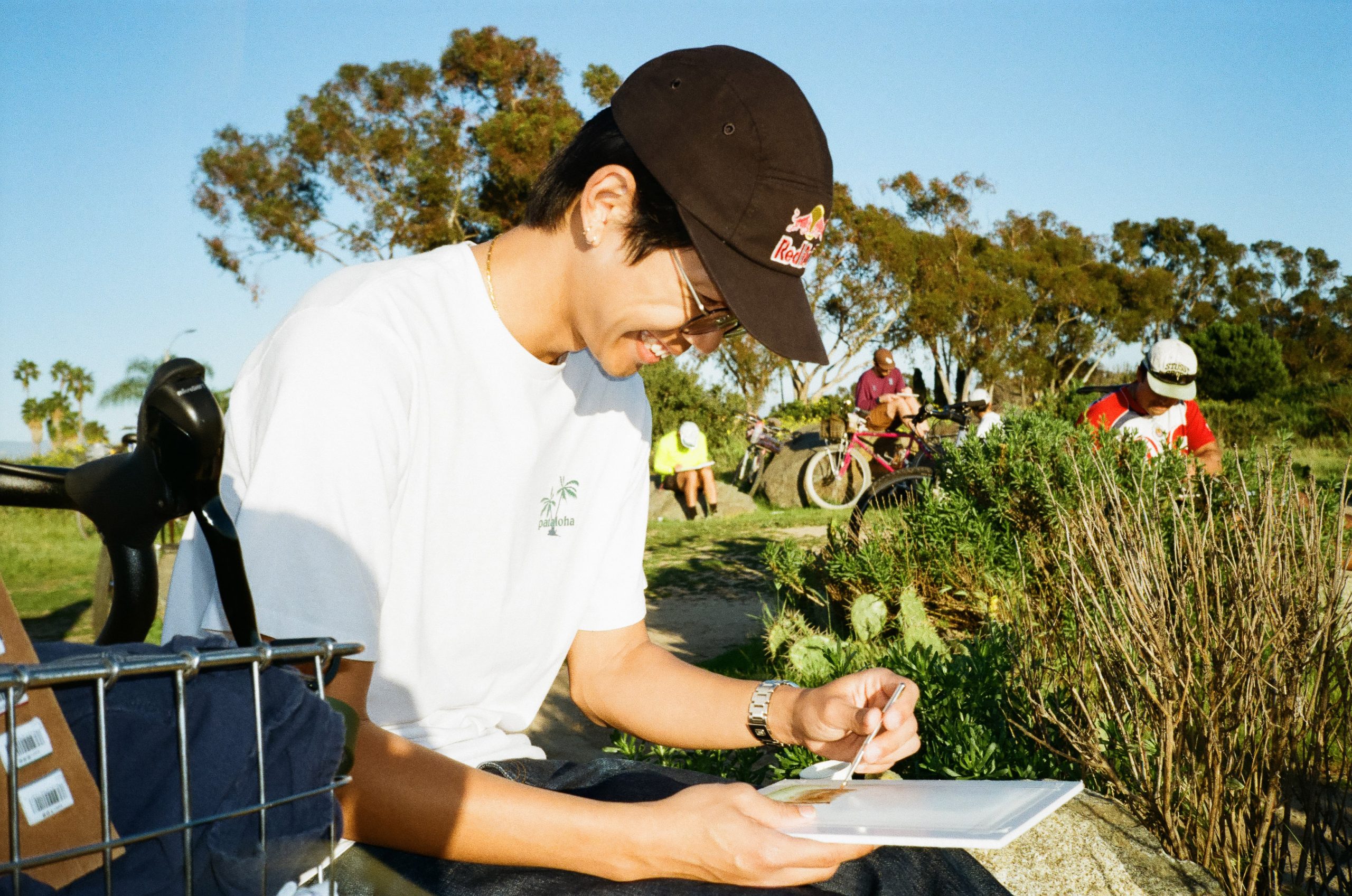
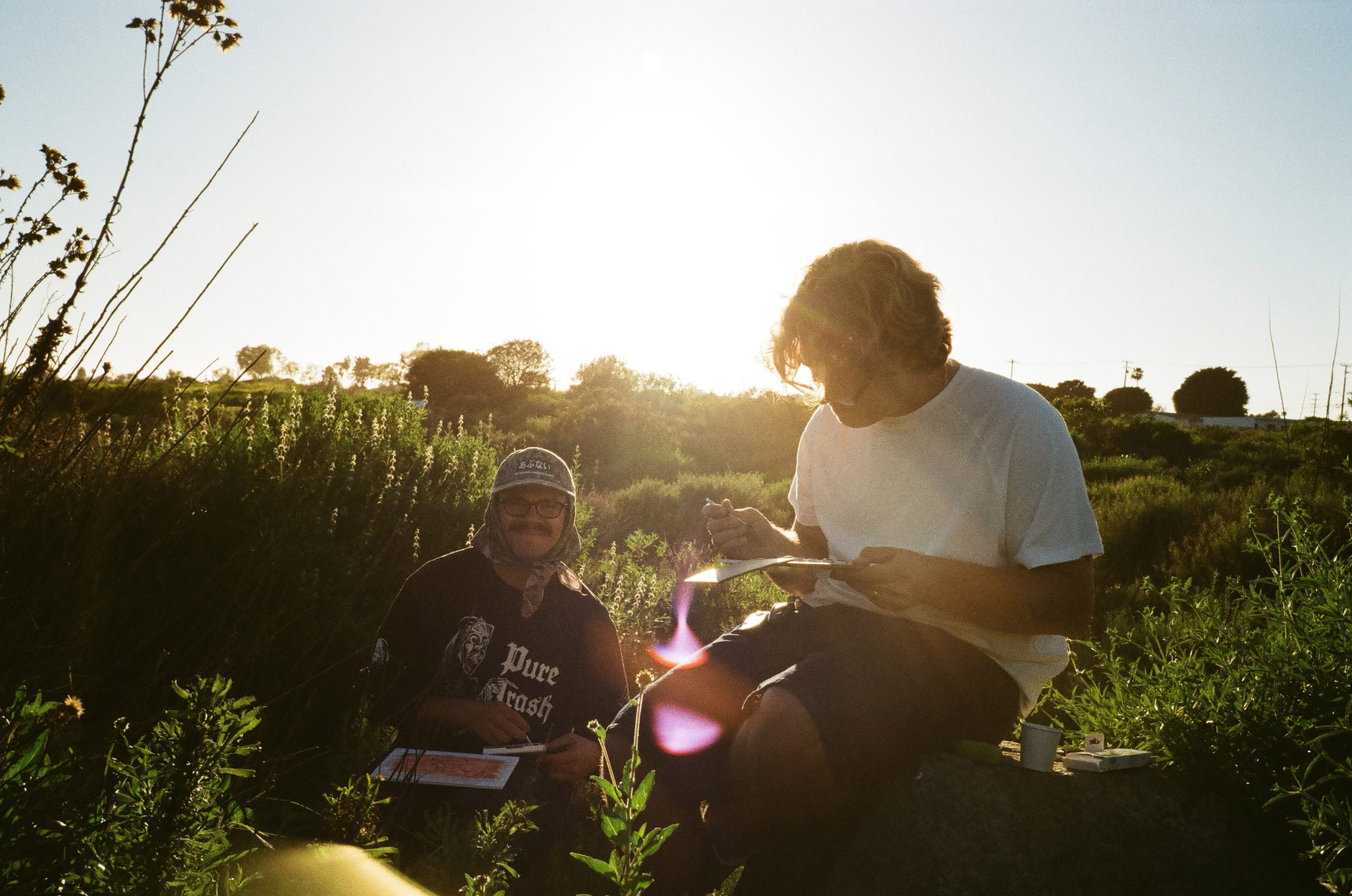
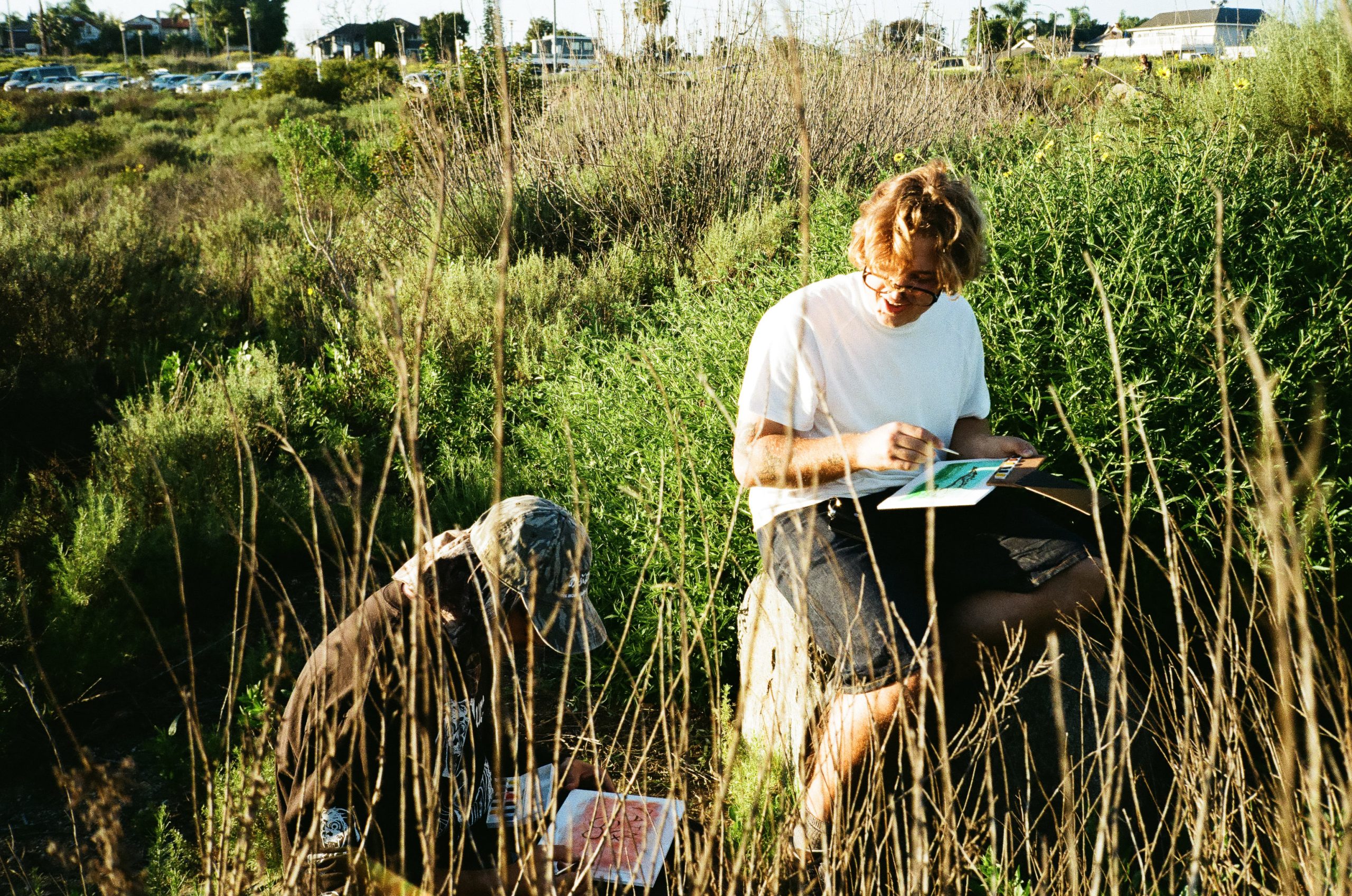
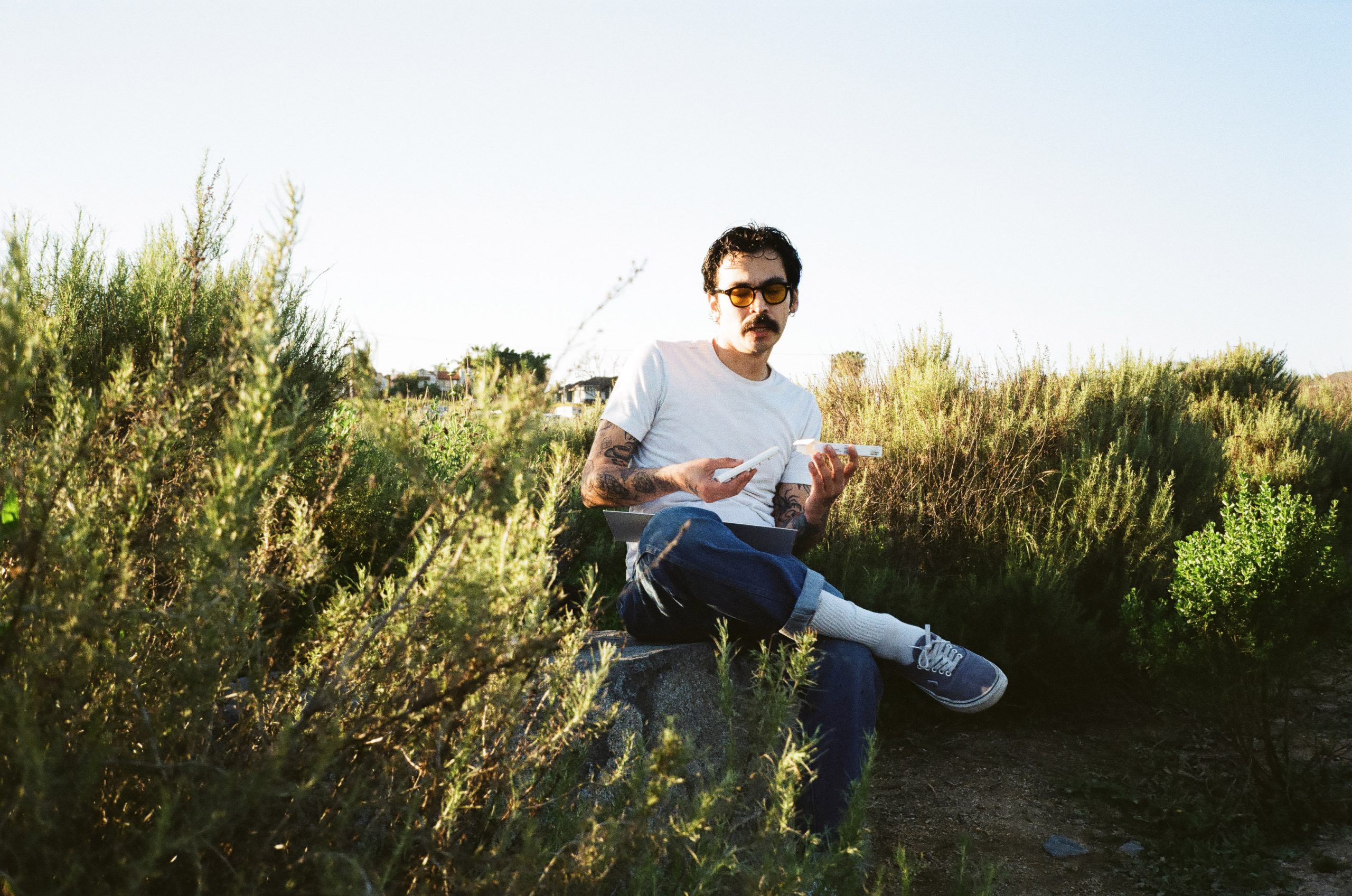
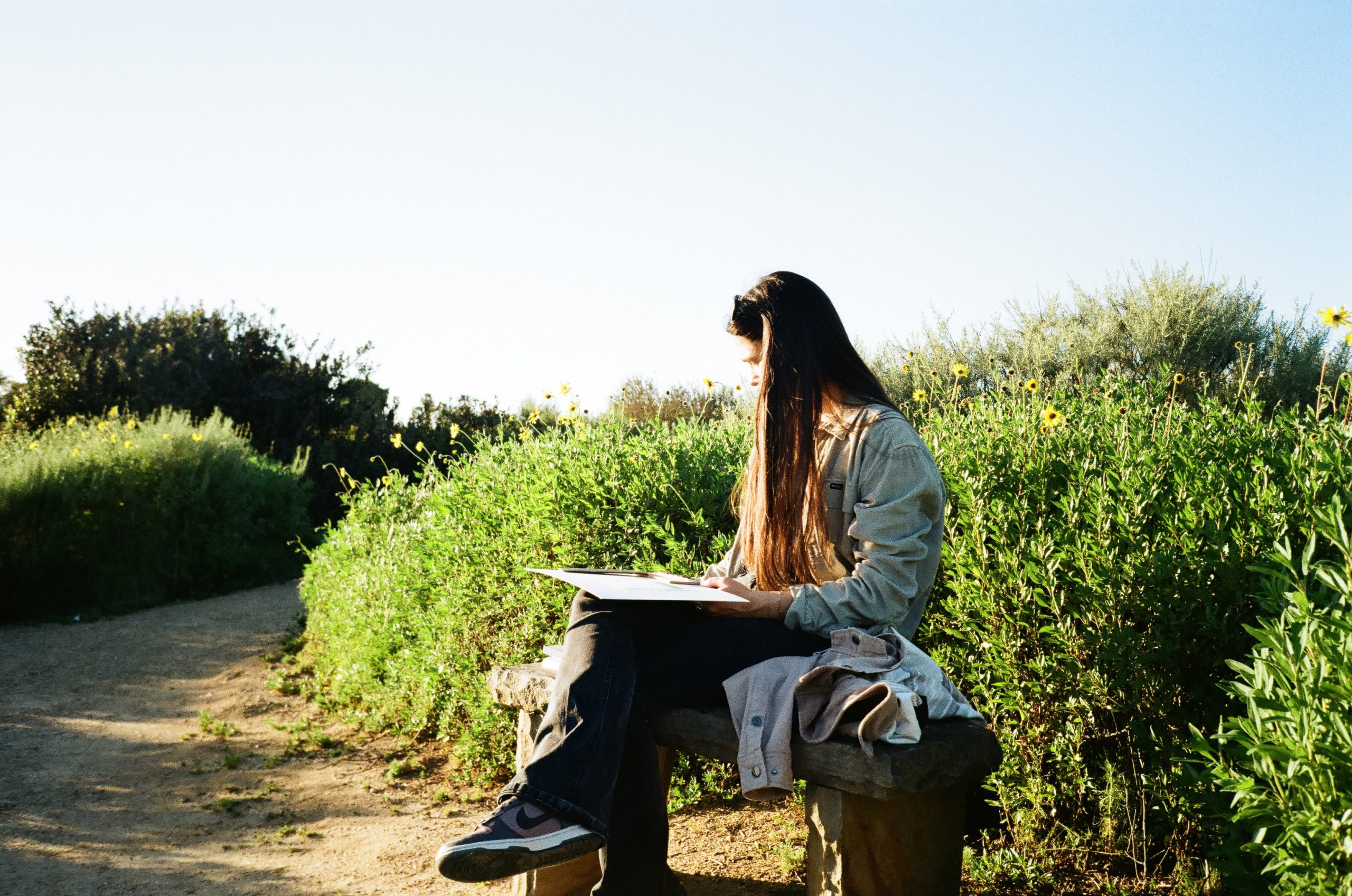
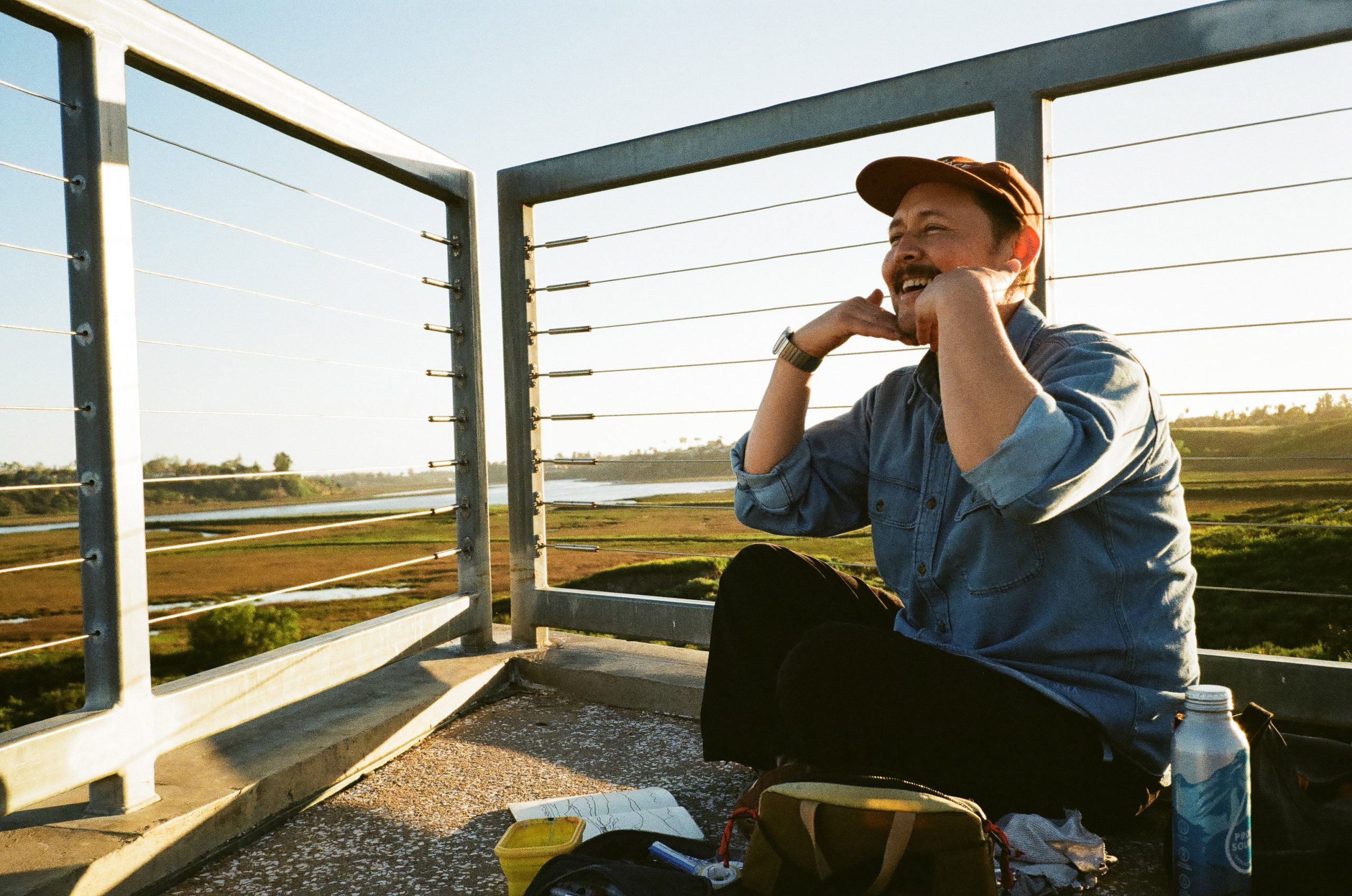
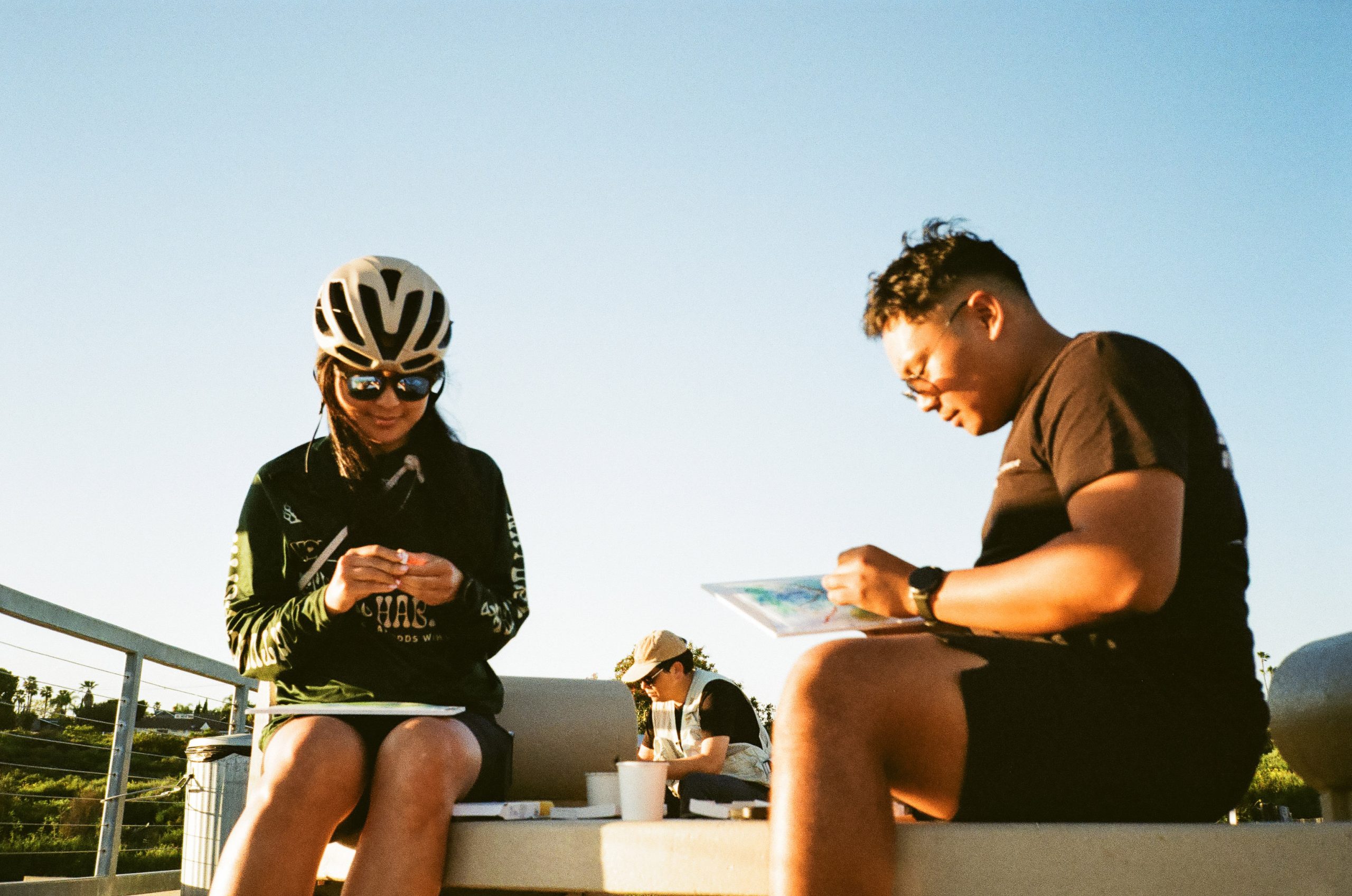
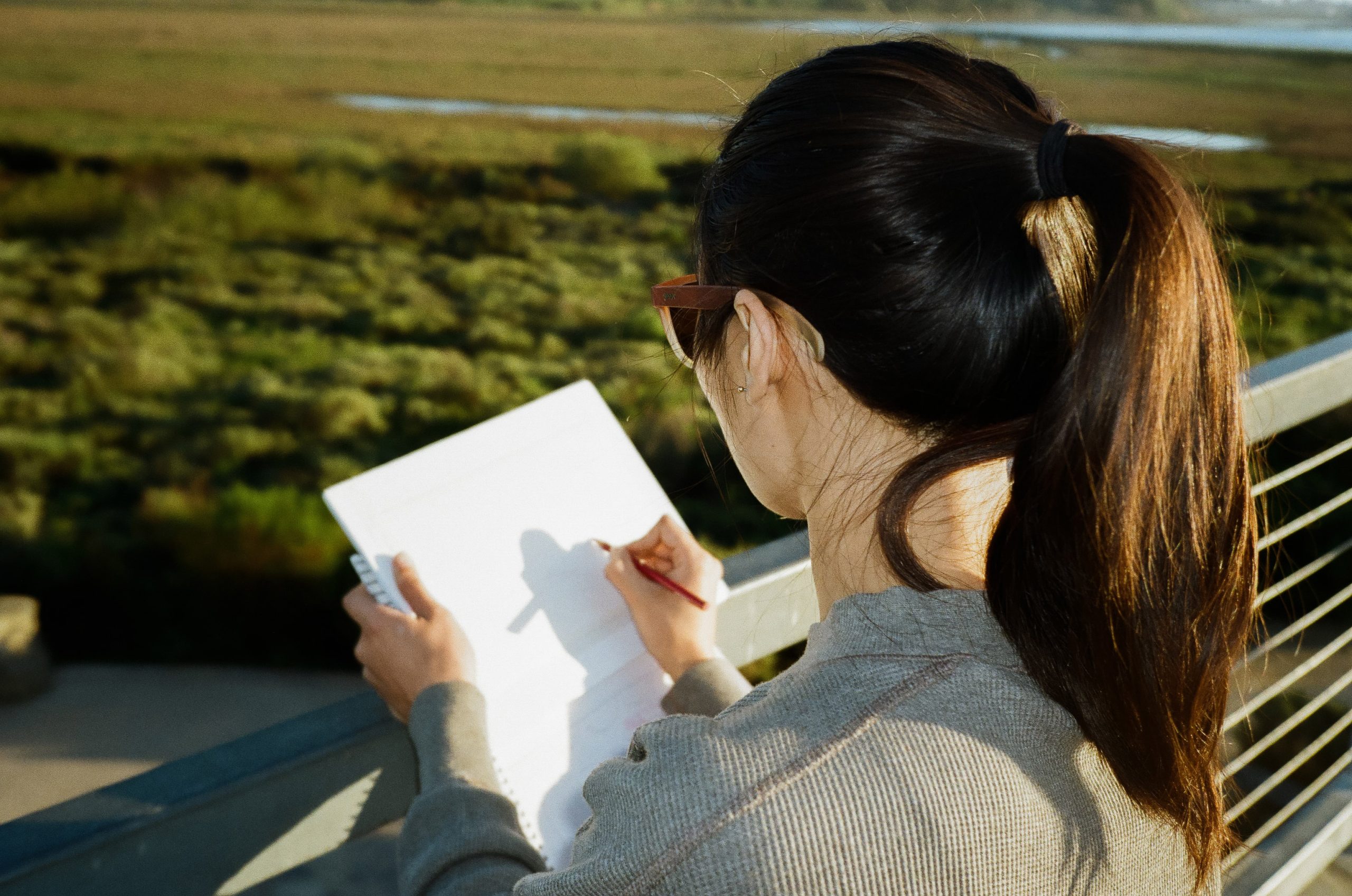
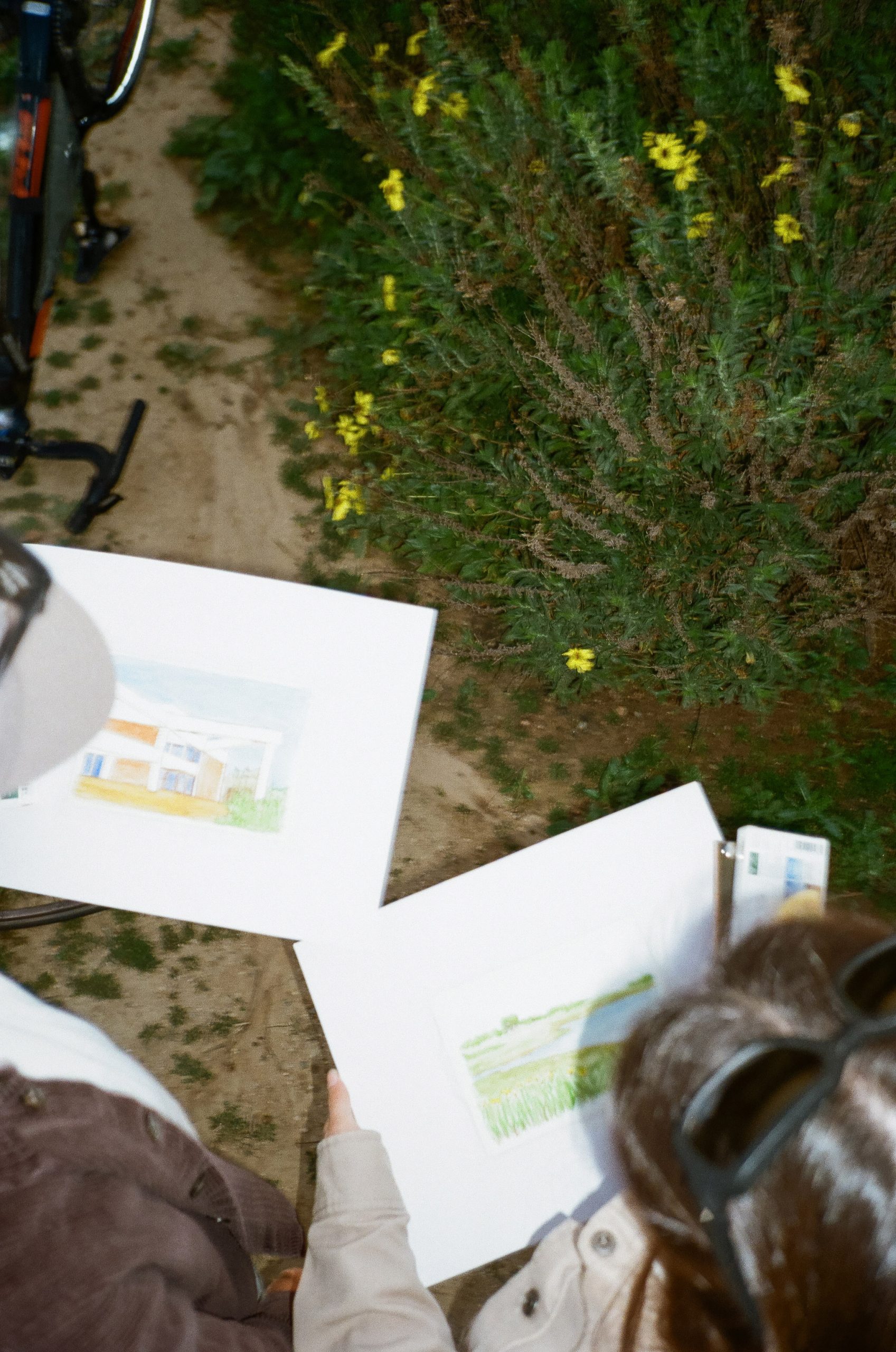
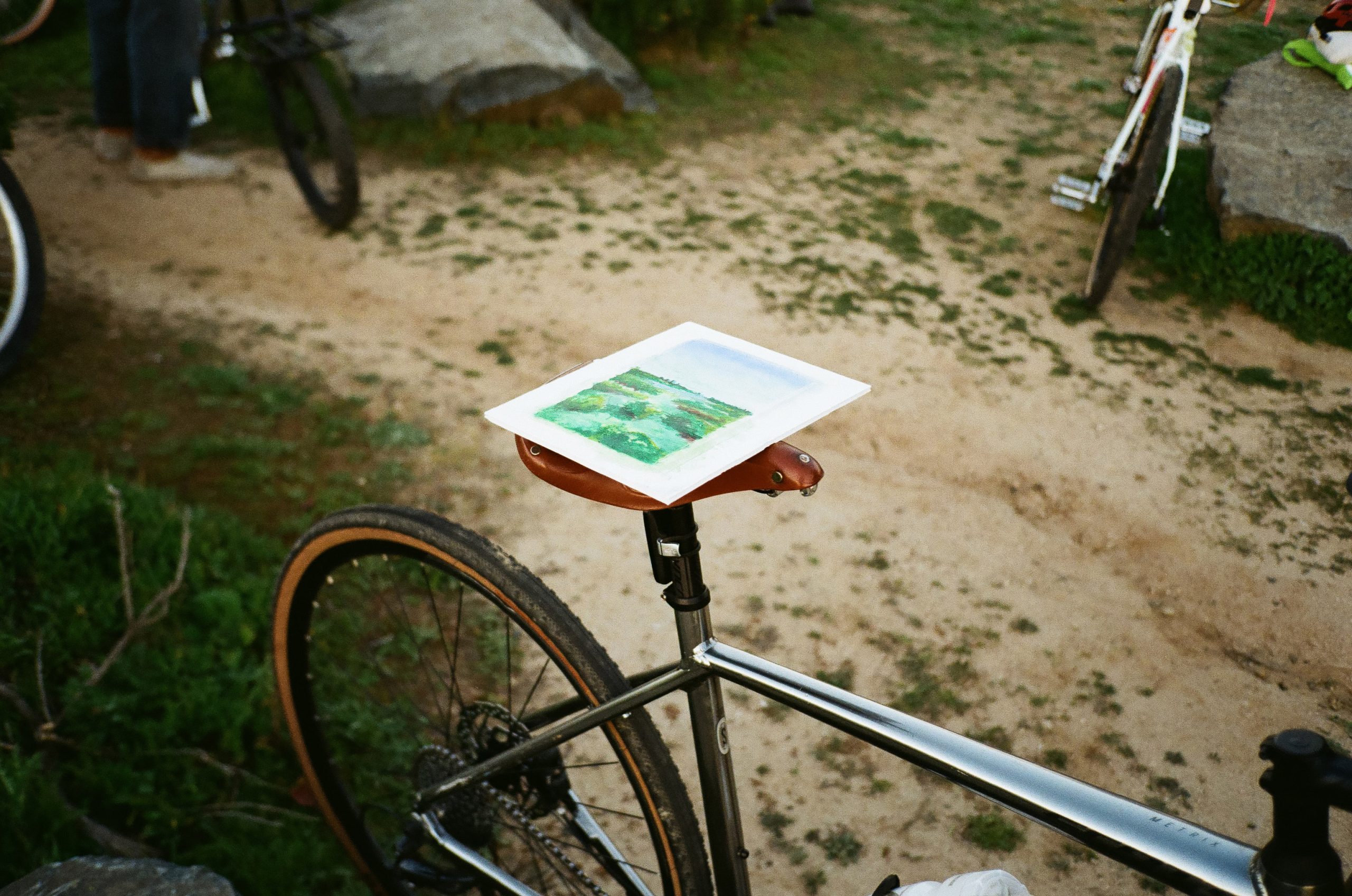
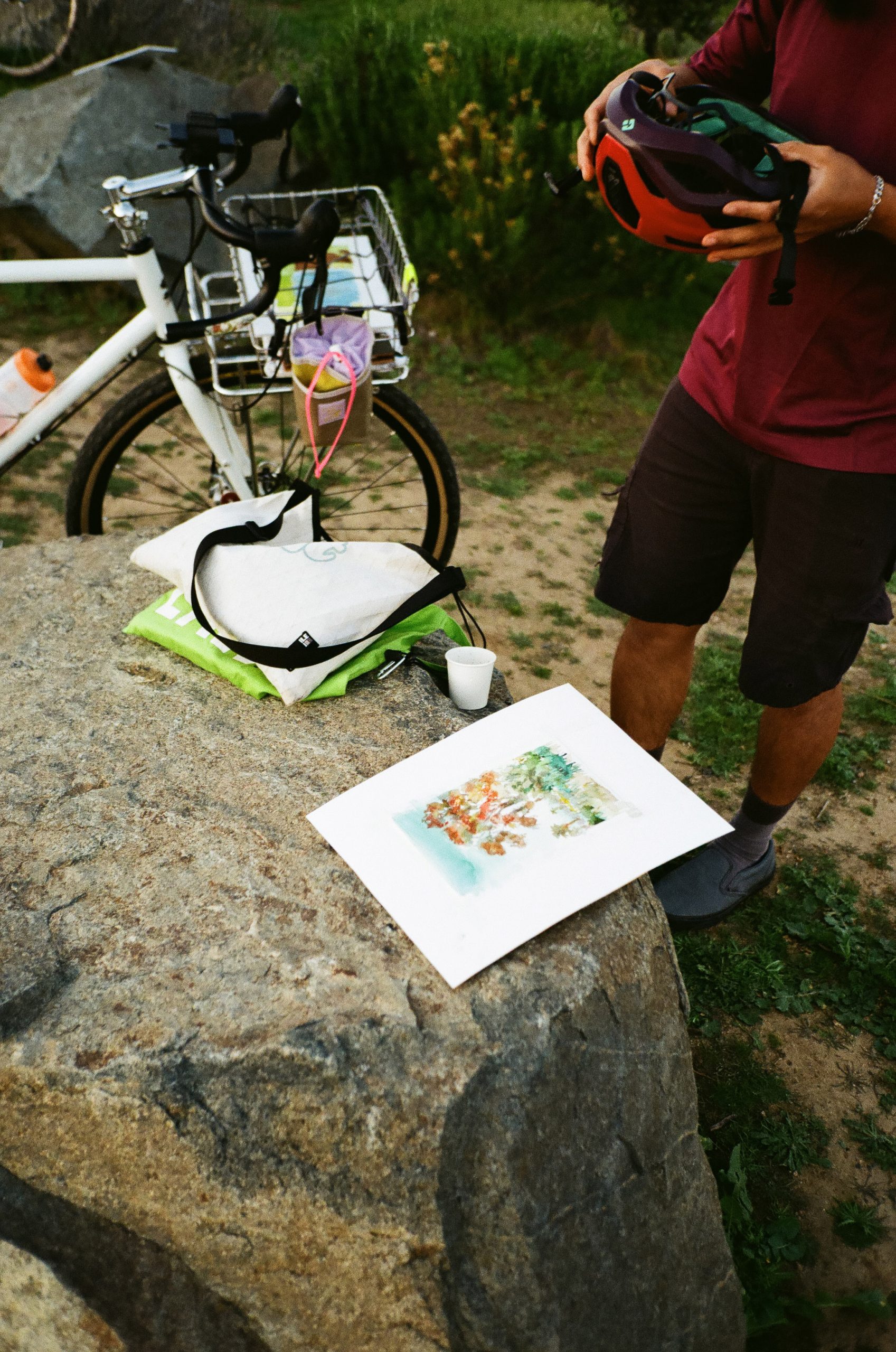
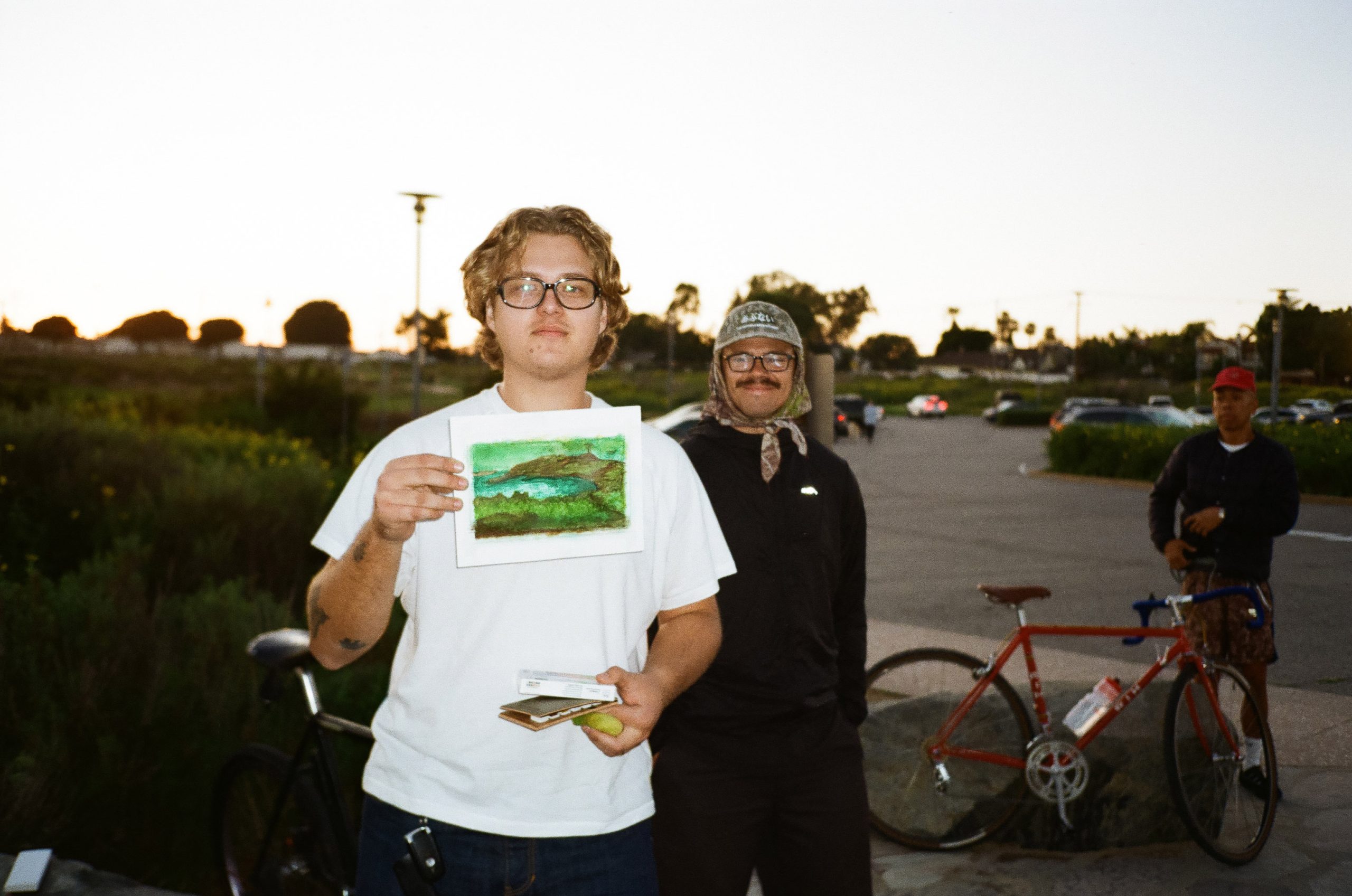
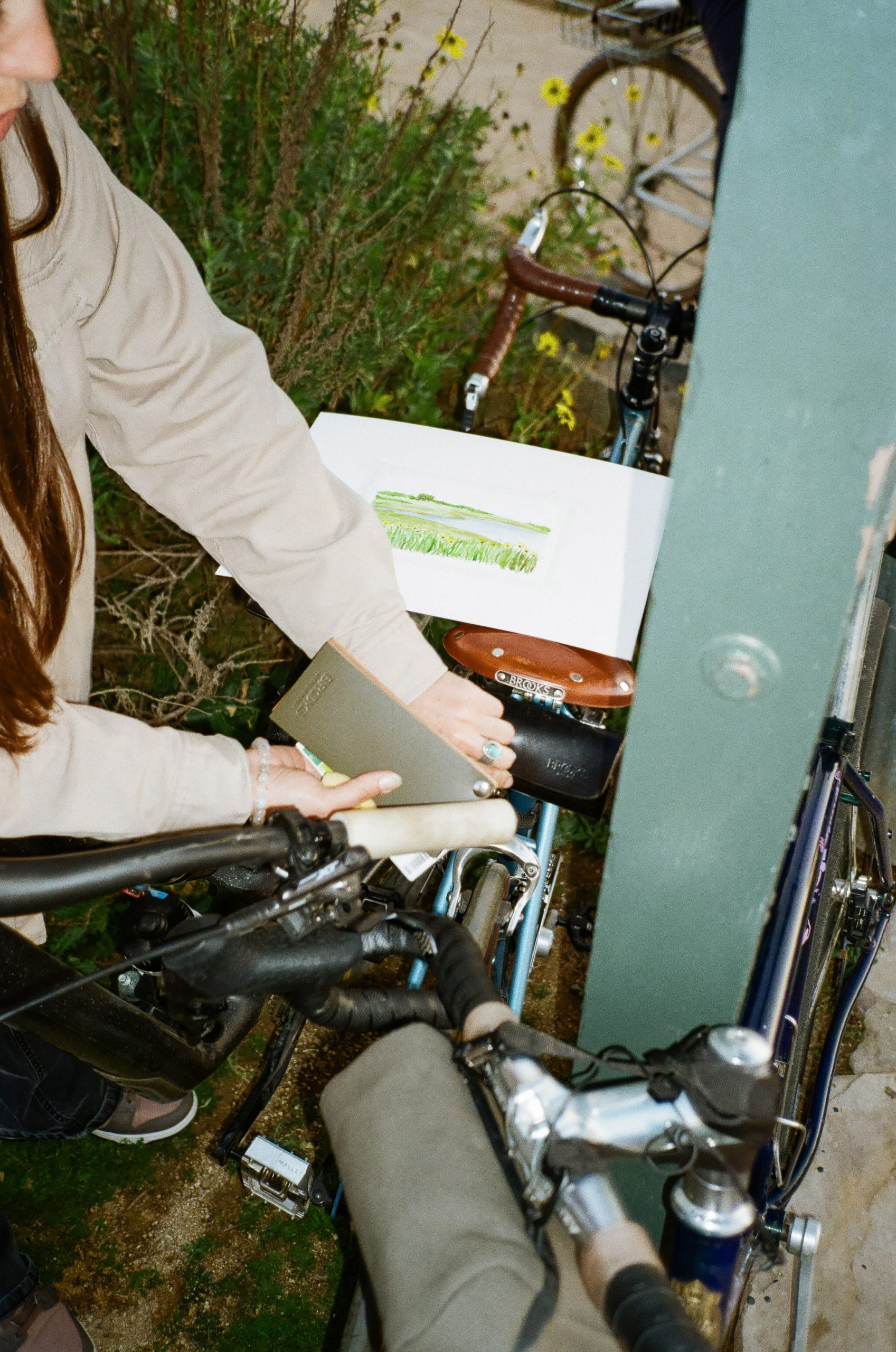
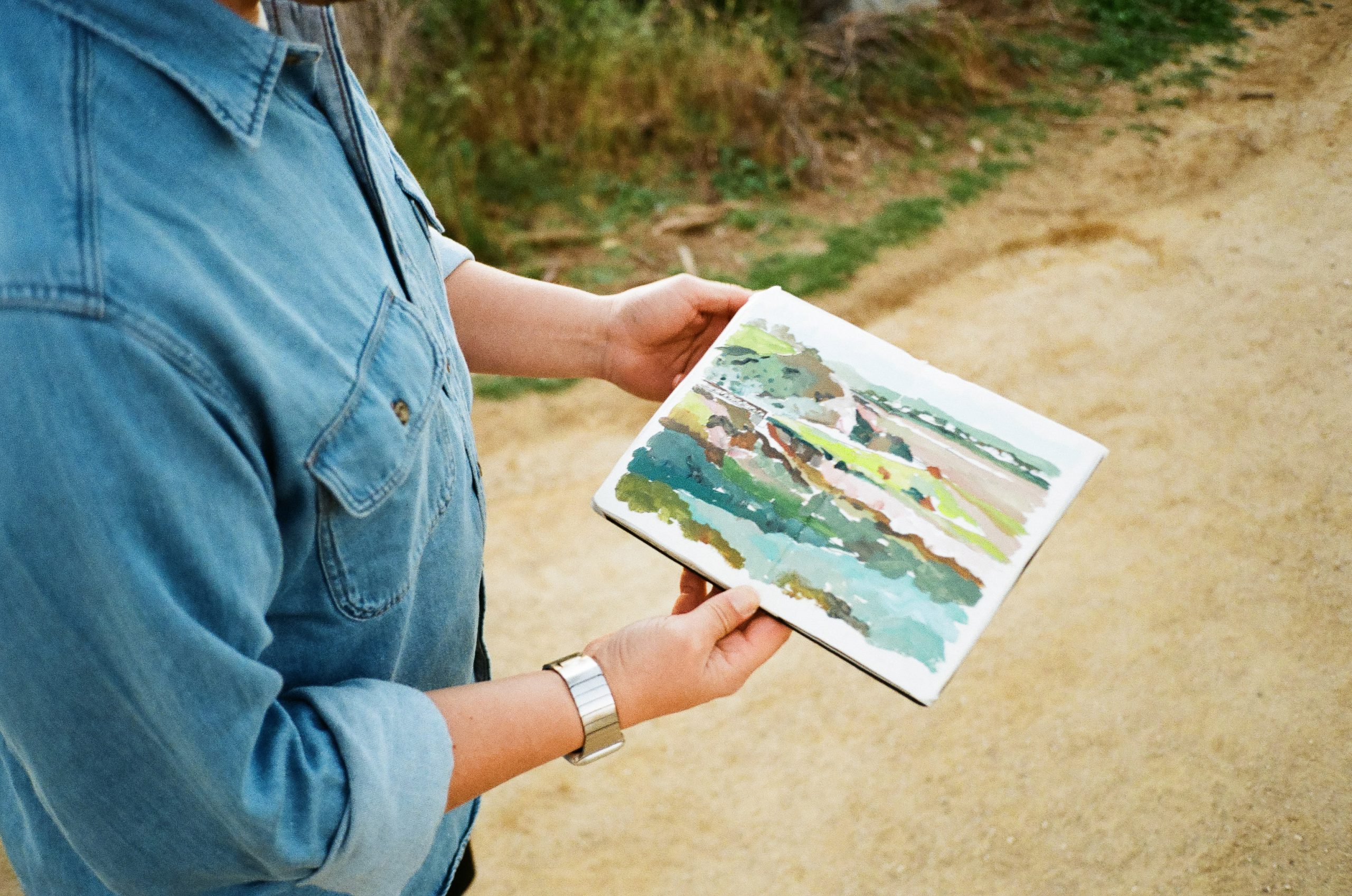
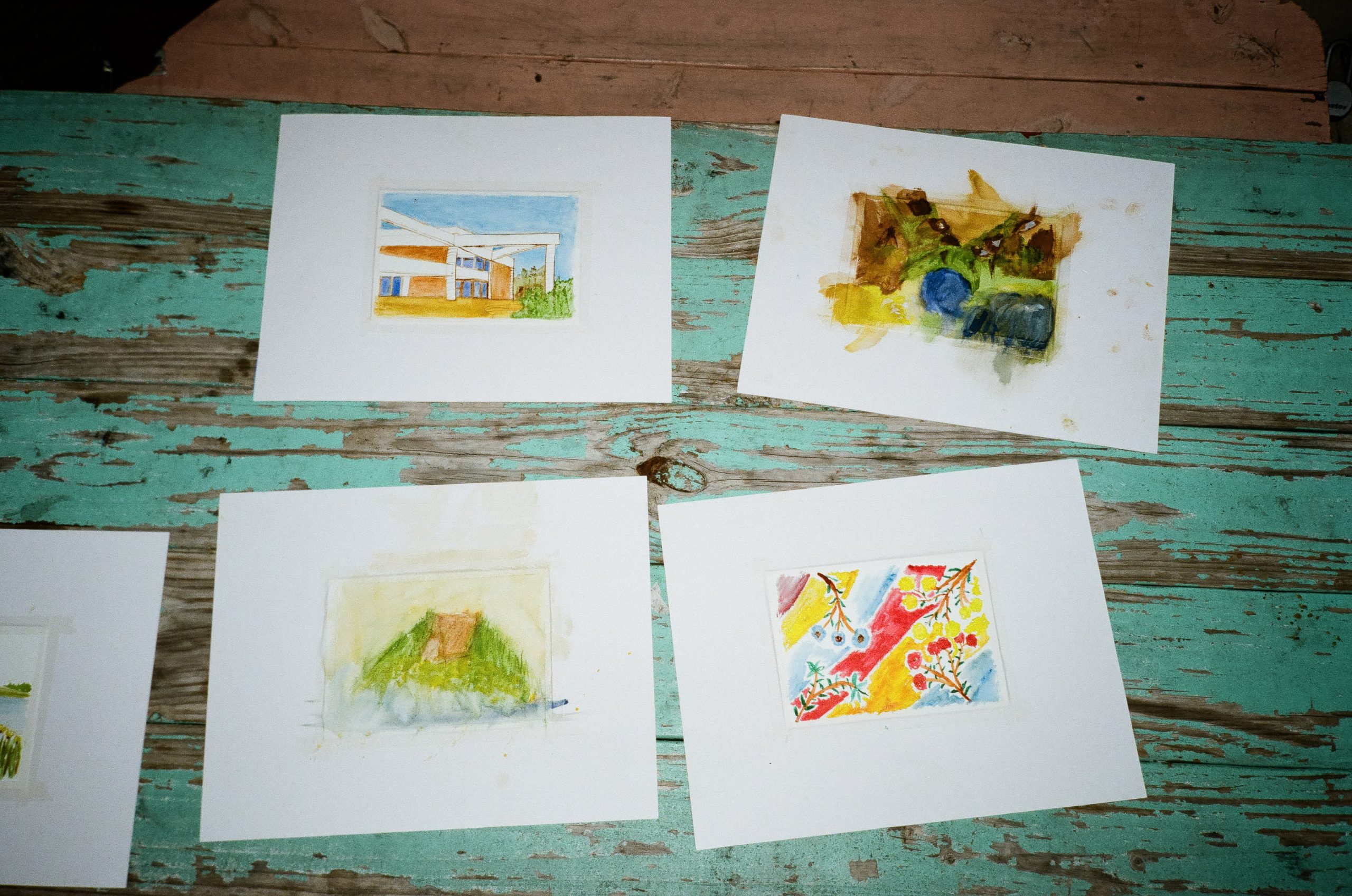
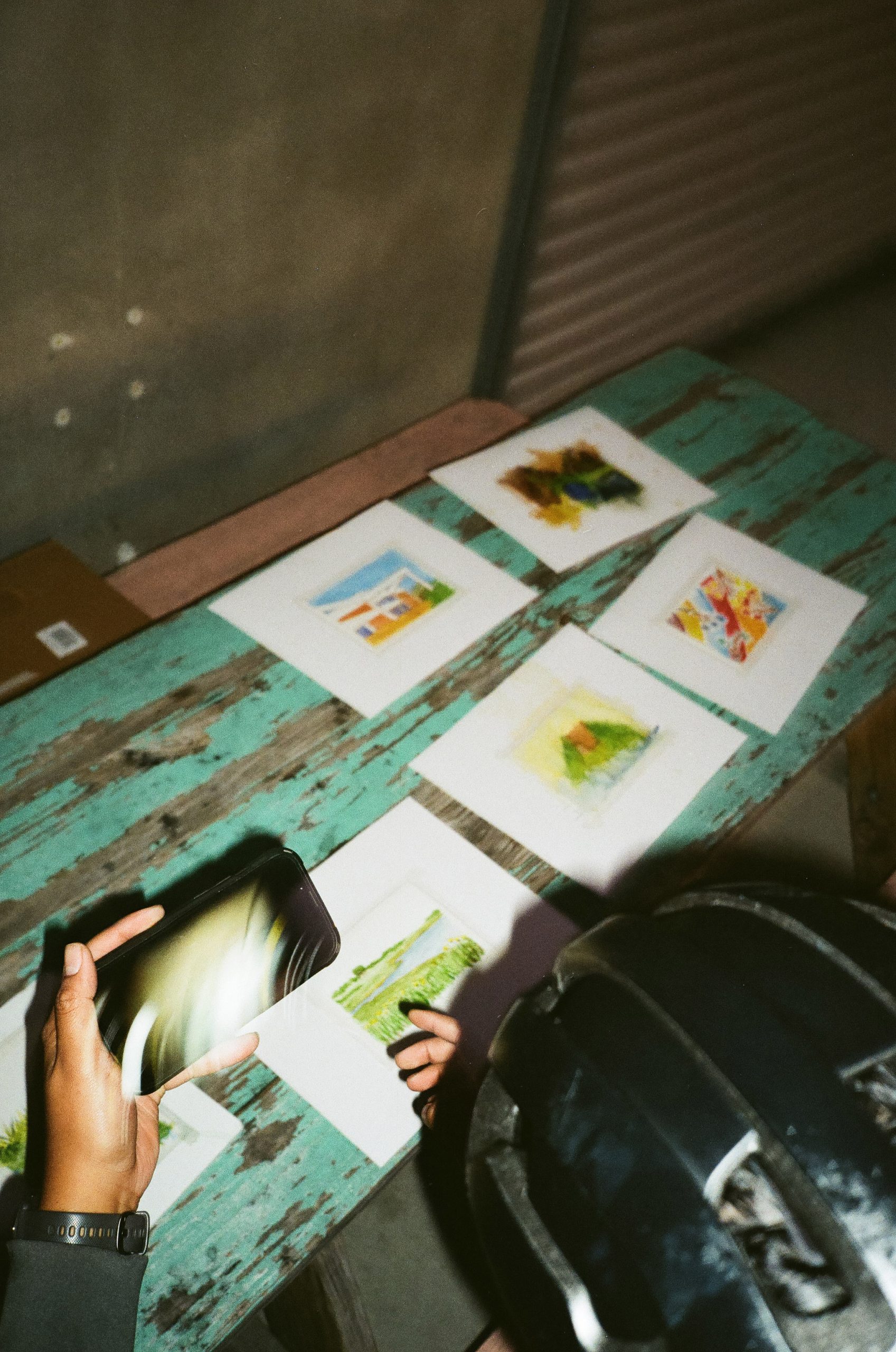
Paints, brushes and Field Studies-exclusive Brooks palettes were distributed, and participants set off to find their own quiet corners to put something down on canvas.
Brooks caught up with Mike Dutton after the event to recap and ruminate.
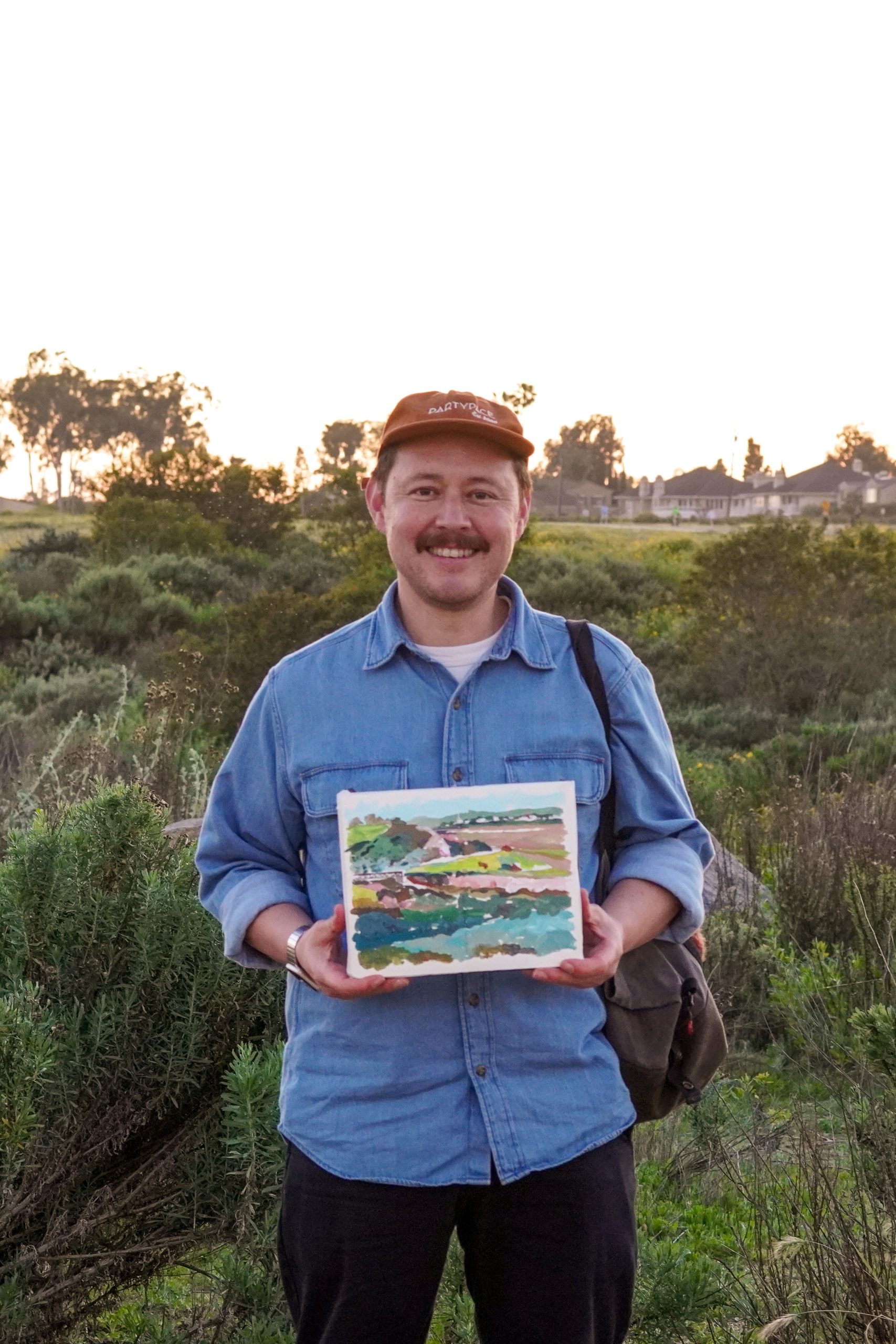
Brooks: Which came first for you personally, the pedal or the paintbrush?
Mike Dutton: As far back as I can remember, I was either drawing or pedalling about on two wheels. If I wasn’t making comics about my own mutant superhero team totally not inspired by the X-Men, then I was zipping through the woods in my backyard or riding through the secret passage (broken fence) onto the army base to buy baseball cards. Painting didn’t really enter the picture until my teenage years, when I discovered watercolour. I eventually went to art school to become an illustrator and then much of my early adulthood was focused on becoming a working artist. Sadly, as a college kid right up until my early thirties, bikes were completely out of the picture. It wasn’t until my uncle gave me an old Jamis steel mountain bike he rebuilt that I started riding again. I explored my own town of Berkeley on the first ride out and saw things I had never seen before. It gave me the same rush I used to feel as a kid even though I was just riding flat city streets or crossing a freeway overpass.
I eventually landed a full-time desk job as a designer for a huge company. I worked on-site, where the campus was so large and sprawling the company provided bicycles for people to get from one meeting to another. To give myself a break from drawing digitally all day, I’d grab a bike and ride off-campus to the neighbouring nature preserve and look at the scenery. I started bringing a sketch kit along and took longer lunch breaks. This was probably the birthplace of Pedal & Paint, though of course, not in such a branded way.
B: What makes art and bikes such wonderful bedfellows?
MD: From my story, it’s probably clear what draws me to bicycling the most, which is a sense of discovery and childlike wonder. I love the slight feeling of mischief that comes with riding off the beaten path, or simply stepping away from the digital easel. This really lends itself to the kind of art I enjoy making, which are mostly landscapes. Not necessarily landscapes with majestic views. Instead, maybe they show just enough to inspire myself or the viewer to want to step into the piece and see what’s around the bend… Sounds a bit Bob Ross, I know. But at the same time that’s kind of the big idea: Create work that forces me to slow down, look closely, and rediscover a sense of adventure close to home. Then paint it. As a result, I get inspired to go on more bike rides to explore further. The loving ‘cycle’ continues.
B: If someone wanted to do their own home-brew Pedal & Paint / Field Studies ride, what tips would you give them?
MD: Oh, this could probably be an entire tutorial series. And, shameless self-promotion time, you can find a few tips on my Pedal & Paint YouTube channel. They’re intended more as inspiration versus instruction, but showcase a variety of gear setups as I am continuously experimenting to find the perfect loadout myself. I highly encourage a visit for some helpful suggestions, especially if you’re more of a visual learner.
But to give a more immediate answer, I would advise to keep gear to a minimum at first. Bring what you’re most comfortable using. I sometimes bring just a felt-tip pen and a sketchbook and draw tiny compositions, called thumbnails. These are great just to observe the shapes and rhythms in a landscape.
If you’re feeling more ambitious, portable watercolour kits are also readily available. You’ll also need a water basin for rinsing brushes (I use collapsible silicone camping mugs), and towels for wiping excess water or paint (I use European sponges or shop towels). Travel kit brushes tend to be too small to quickly build up washes of colour or block in large shapes, so try to supplement with a couple larger brushes. Some technical jargon ahead, but find a ‘mop’ for washes and a “flat” for building up texture, edges, and opaque colour if you happen to use heavier mediums like gouache or acrylic. I mainly use folding brushes, which basically prevents the brush hairs from getting bent out of shape when transporting them. Travel kits rarely provide enough space to mix colour, so I bring some kind of surface to mix on. I bought a melamine tray from The Inconvenience Store for the Costa Mesa ride and that is my current travel palette.
Paper selection, surface quality, thickness, etc is highly subjective, but whatever you use, be sure to have a rigid support. You will either be sitting on the ground, or a log, or a folding camping chair if you have the room on your bike to carry one. In any case, you don’t want flimsy paper to be part of the mix of trying to work comfortably outdoors. Depending on the size of paper I will either bring a piece of gator board, which is like extra heavy duty foam core, or a cigar box I’ve modified with friction hinges so the lid stays open, much like a laptop. I’ll attach the paper to the lid using washi tape, and the inside of the box becomes my palette area.
For the ride itself, the best tip I can offer is to allow yourself plenty of time to explore, find a paint spot, set up, paint, let the paint dry, break down camp, and get back before it gets too dark. I’ve certainly stayed out past nightfall and have lights ready for when that happens. Bring enough water for drinking and painting, just make sure you’re not drinking out of your mixing cup. Things get weird when that happens.
B: How did you enjoy the Field Studies event in Costa Mesa? What were some highlights
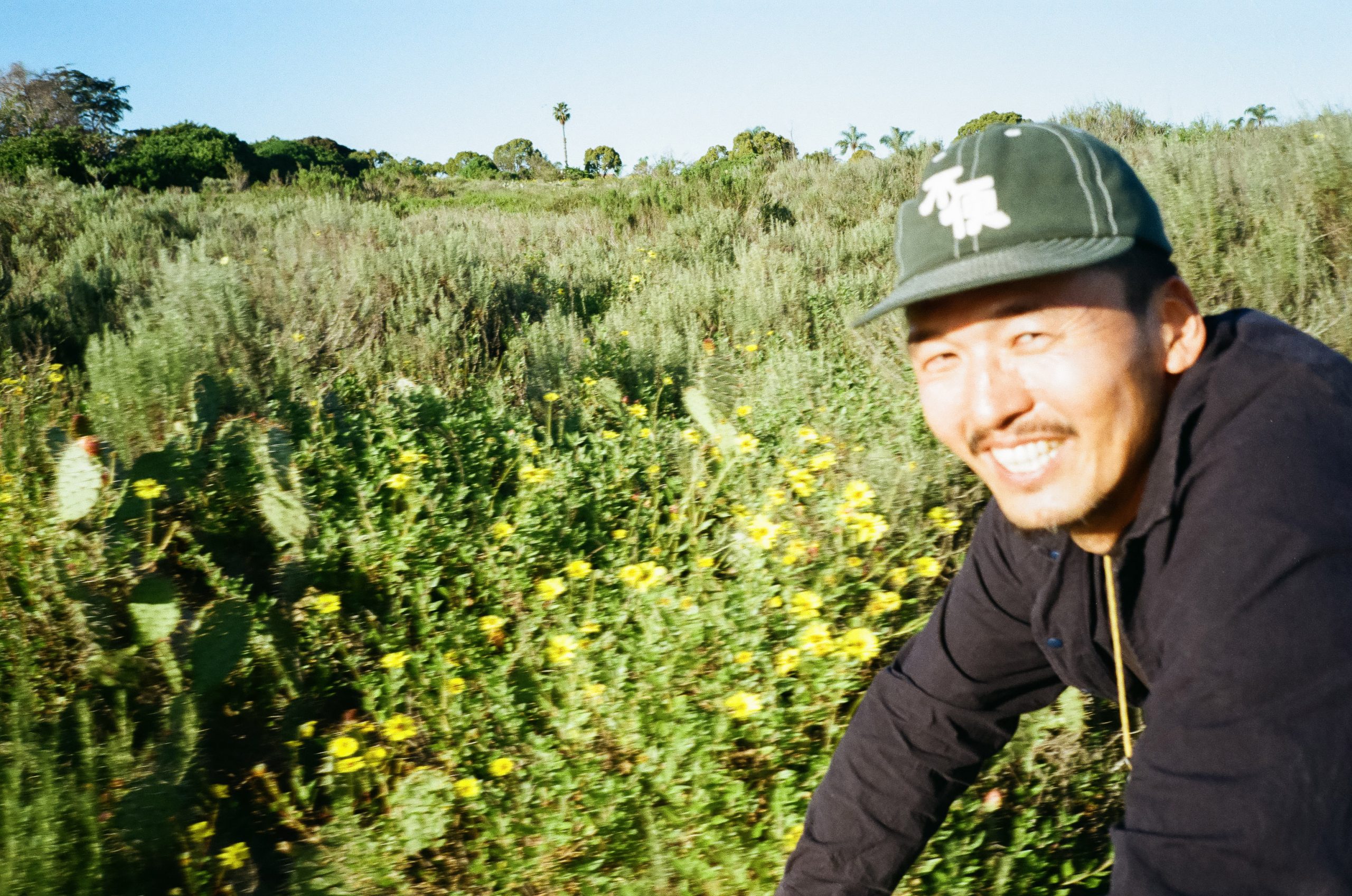
MD: The Costa Mesa Field Studies event was so much fun. Beautiful weather, a quiet spot to paint, and good company. Not a whole lot more I could ask for. And we had a decent turnout! I heard a couple of people drove up an hour or so away, coming from San Diego just for the event. Another rode his bike for a couple hours just to get to the meeting spot. A friend of mine is an art teacher and he brought a few students along. So we had folks who were more bike-oriented trying out painting, and we had art-oriented people trying out bikes. It felt like a party where my friend-friends and work friends meet and hang out and I’m kind of nervous at first and then it turns out to be a great time. That was definitely the highlight for me.
Yuta and Max of Outside Supply/The Inconvenience Store were amazing hosts and a great hang. I especially enjoyed riding Yuta’s old Bridgestone that his daughter used to ride during college. And of course, the Brooks and Selle Royal team who organised and showed up to the event were wonderful. Getting to see familiar faces and meet new ones made the whole thing feel like this little world of pedalling and painting I created for myself when I needed a break is growing into something… I dunno, real? Or surreal. Apparently there was a zebra somewhere along the ride, so stranger things have certainly happened.
B: Thanks Mike!
Perfect for Field Studies
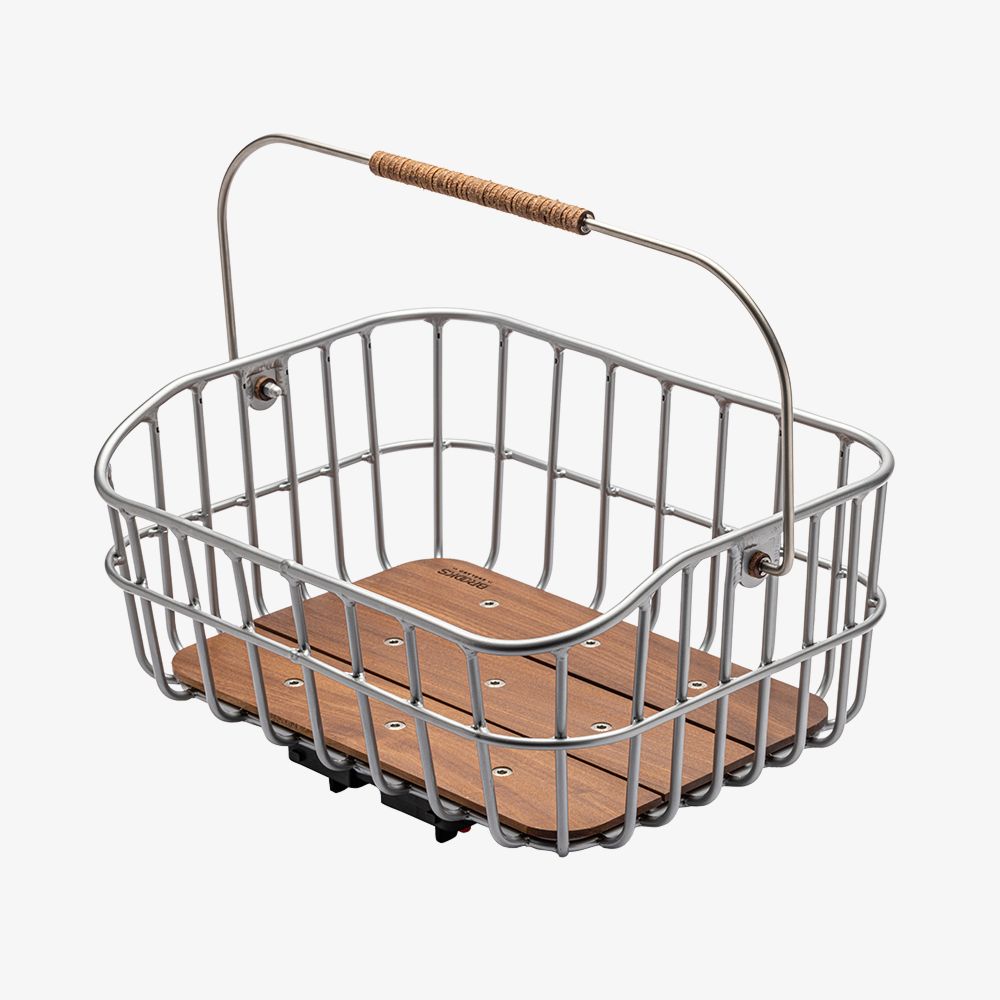
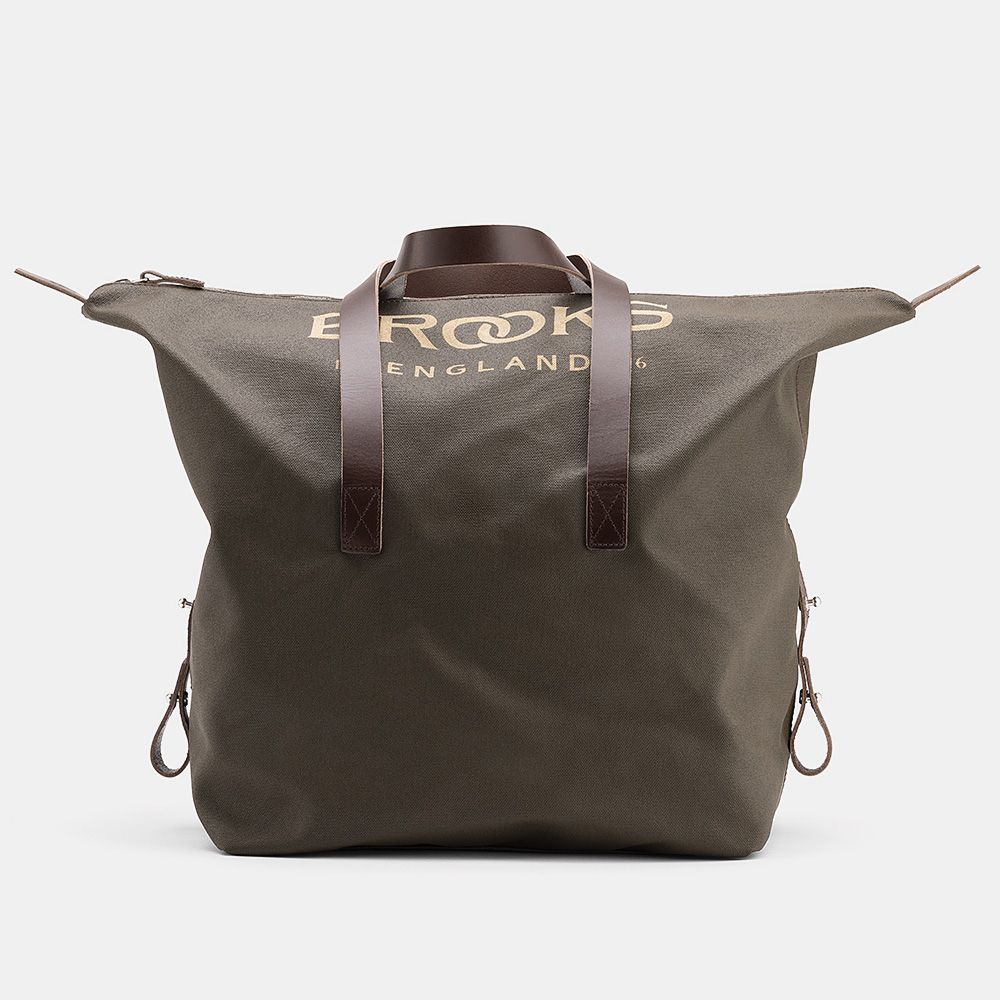
Clapham Tote Bag
More than enough room for moseying around waiting for inspiration to strike.
DISCOVER MORE
More Events Stories
Bargain-bagging at the BabyLDN bike jumble
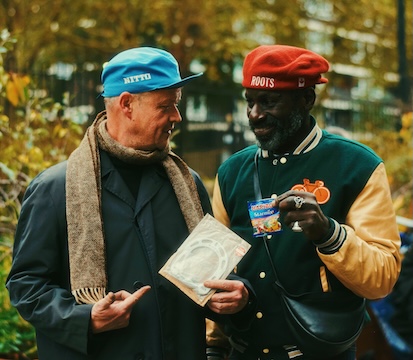
Exploring the heart and soul of the London cycling scene, one bicycle artefact at a time.
READ MORE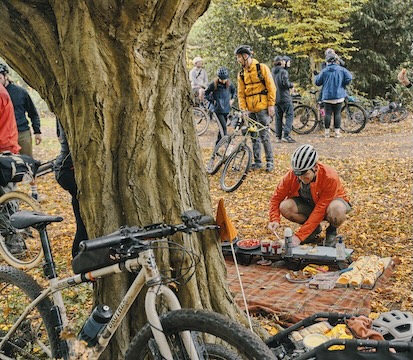
Get 15% off
your first
purchase.
Don’t miss our epic adventures.
Subscribe to our inspirational newsletter.